Print or Export
你今晚諗住煮啲咩呀?
nei5 gam1 maan5 nam2 zyu6 zyu2 di1 me1 aa3?
nei5 gam1 maan5 nam2 zyu6 zyu2 di1 me1 aa3?
Listen and Speak
Step 1
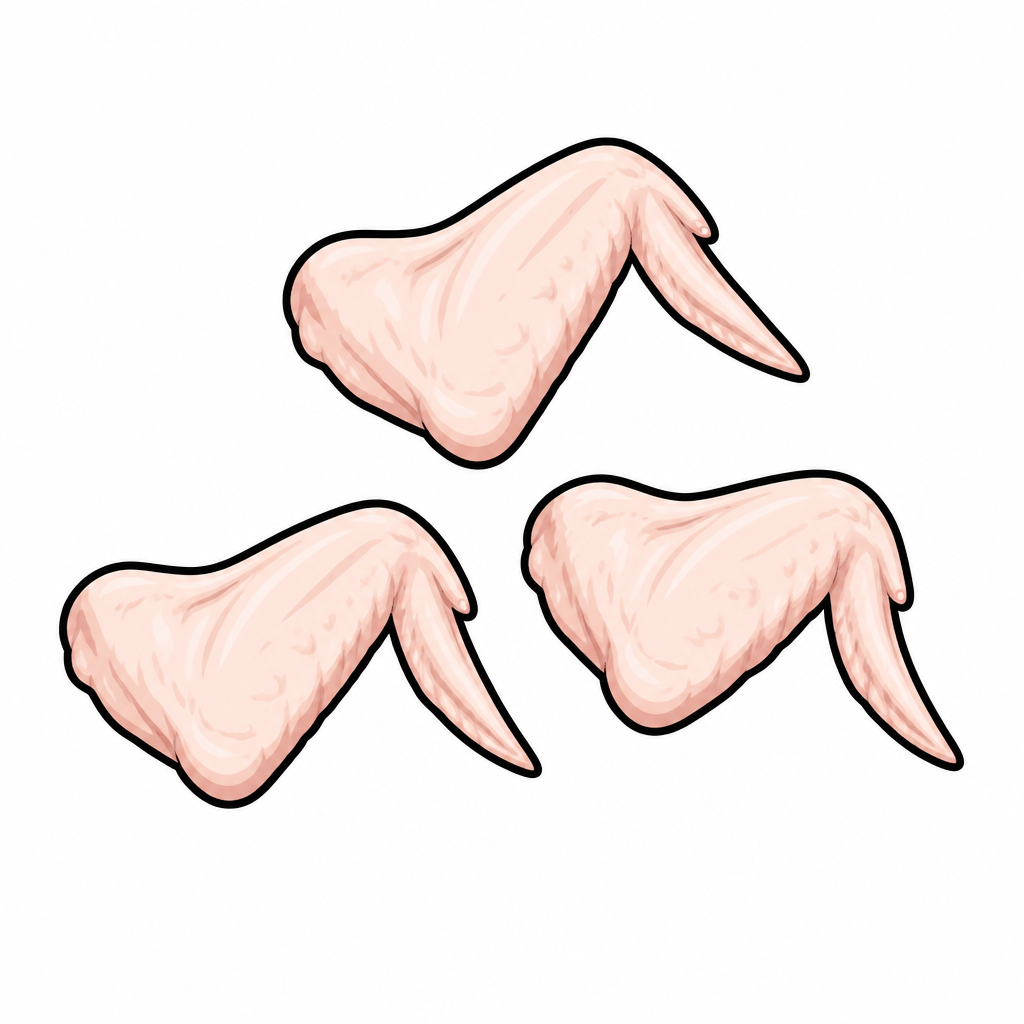
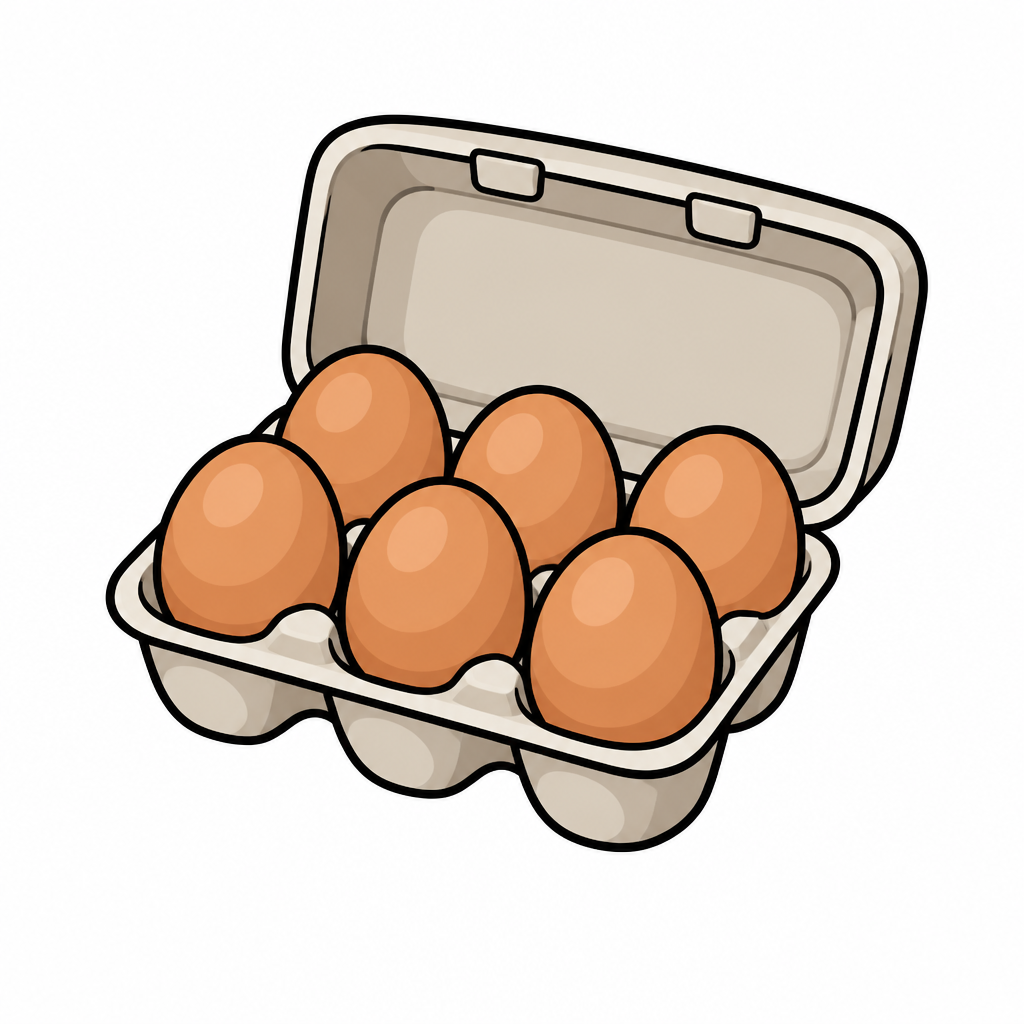
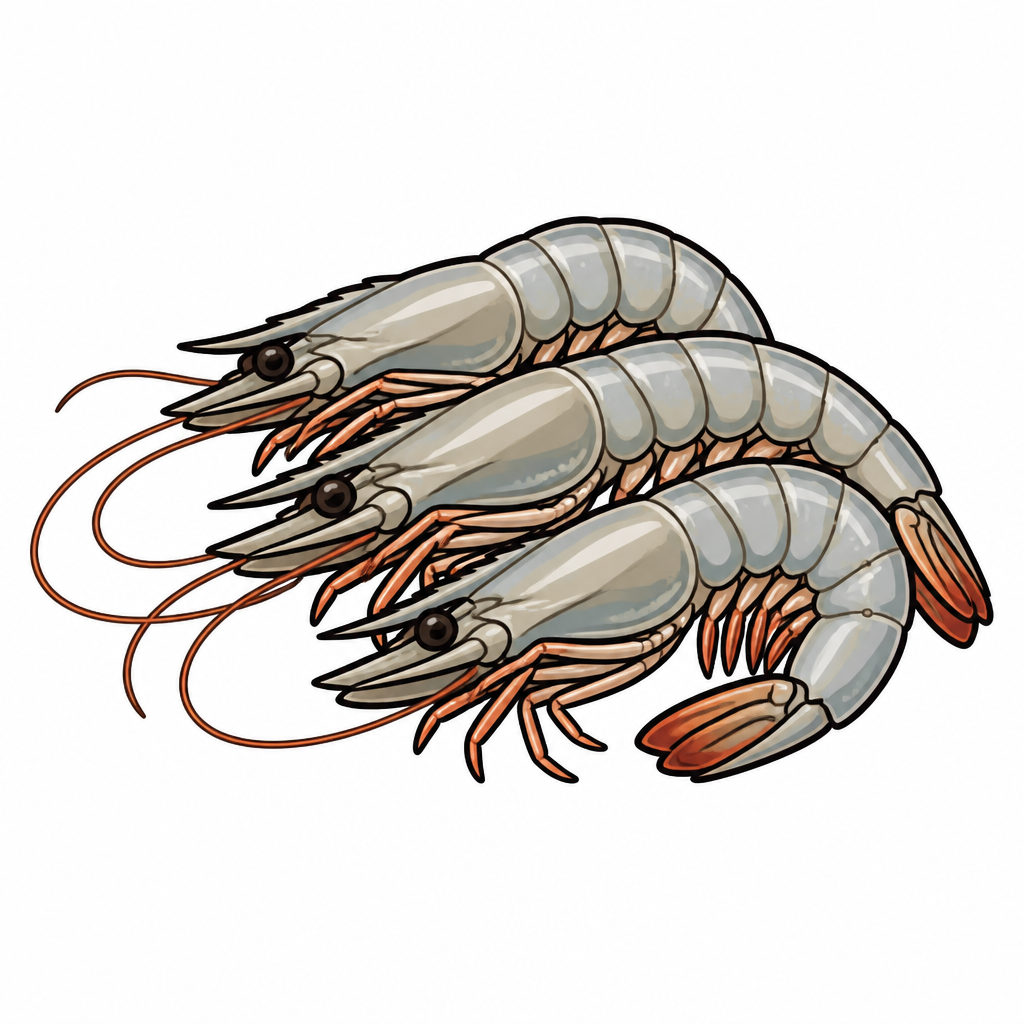
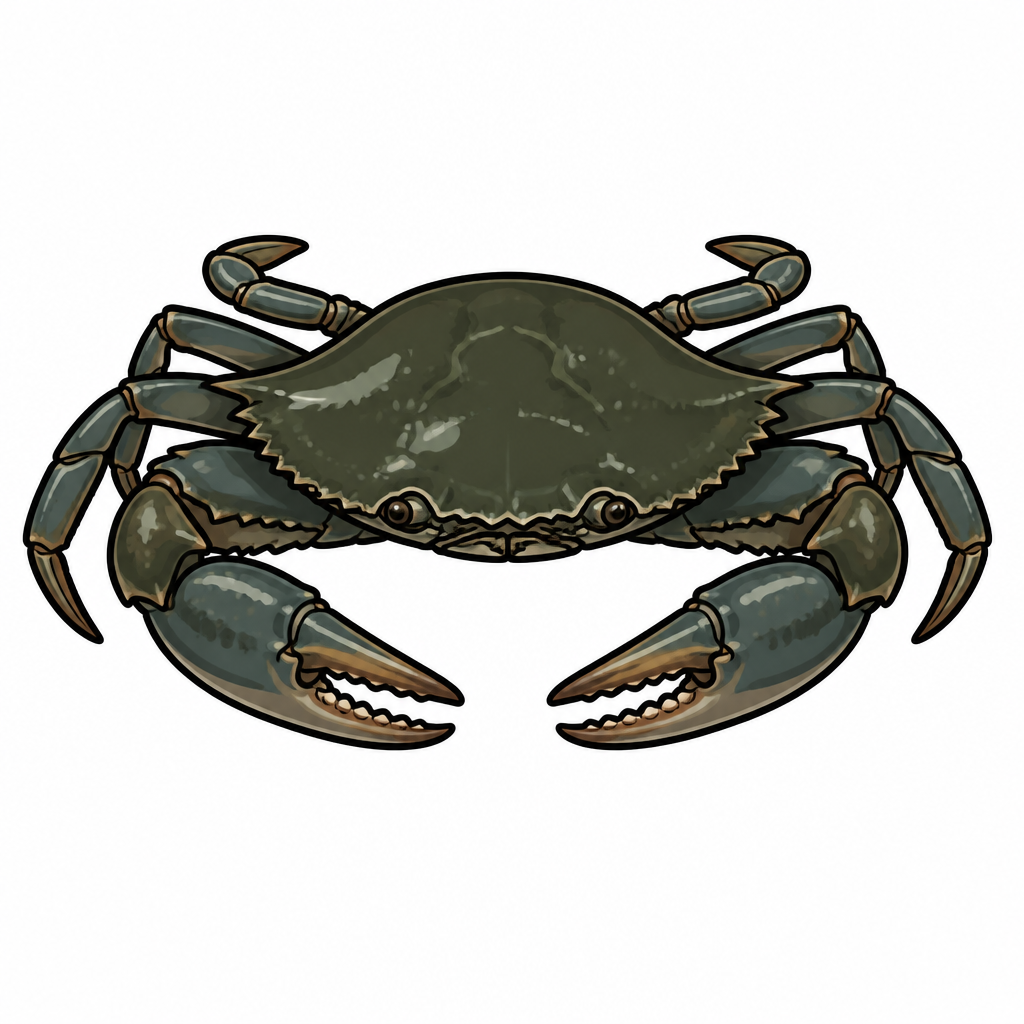
Say the names for the food below. Then, listen and repeat after the recordings.
| 1. | 2. | 3. | 4. | 5. | 6. |
 |  |  |  |  |  |
| ________ | ________ | ________ | ________ | ________ | ________ |
| chicken wing | egg | shrimp | crab | tomato | potato |
Step 2
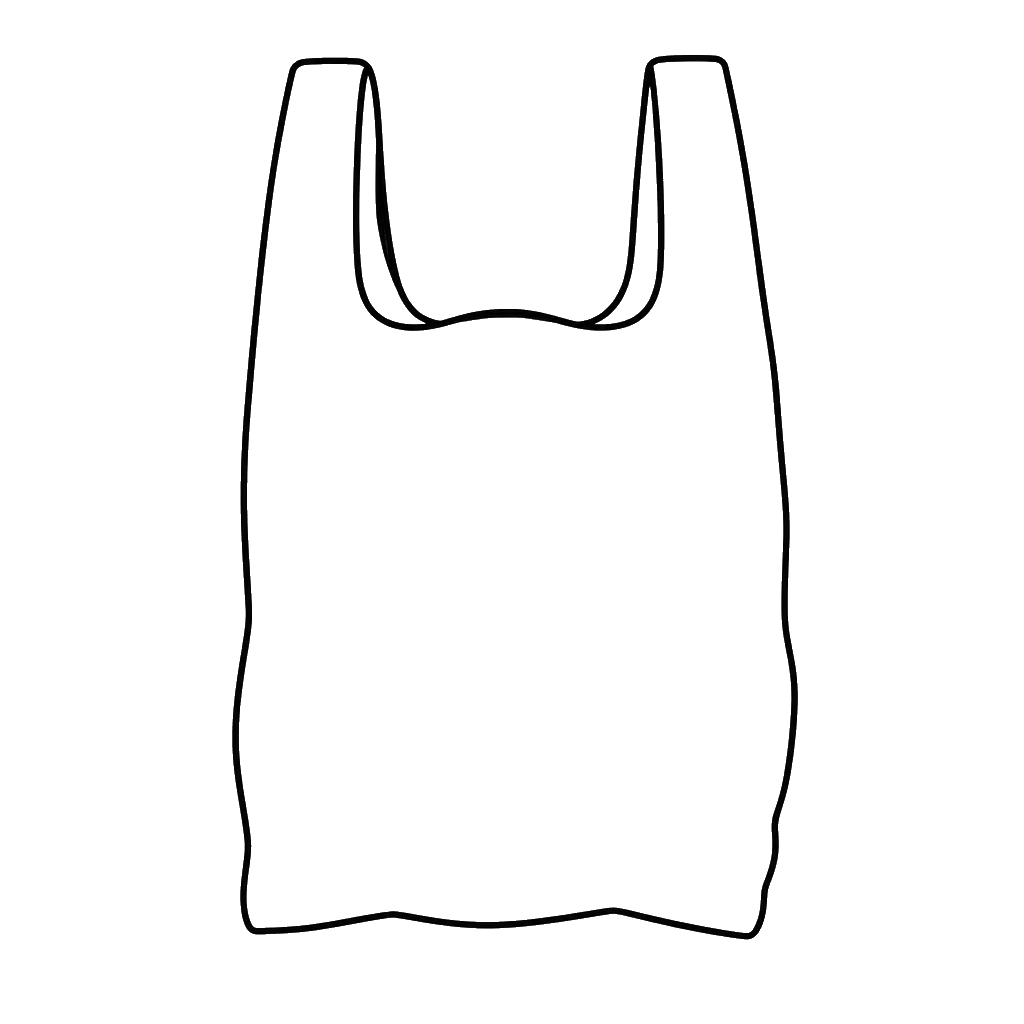
Listen to a conversation. The speakers have bumped into each other when buying groceries at the wet market. Draw the food they want to buy in their shopping bags.
| 陳生 can4 saang1 | 李生 lei5 saang1 |
 | |
| A | |
| B | |
| A | |
| B | |
| A | |
| B |
Step 3
Listen to the conversation again. Read the script while listening. Check your answers.
| A | 喂!陳生! wai3! can4 saang1! Hey! Mr. Chan! |
| B | 李生!乜咁啱嘅?嚟買餸呀? lei5 saang1! mat1 gam3 ngaam1 ge2? lai4 maai5 sung3 aa3? Mr. Lee! What a coincidence! You come to buy groceries? |
| A | 係呀,一齊行吖。 hai6 aa3, jat1 cai4 haang4 aa1. Yes. Let’s walk together. |
| B | 好呀,你要買啲咩呀? hou2 aa3, nei5 jiu3 maai5 di1 me1 aa3? Good. [= Sure.] What do you need to buy? |
| A | 我想買啲雞翼呀,你呢? ngo5 soeng2 maai5 di1 gai1 jik6 aa3, nei5 ne1? I want to buy some chicken wings. How about you? |
| B | 我想買啲蝦呀。 ngo5 soeng2 maai5 di1 haa1 aa3. I want to buy some shrimp. |
- 乜咁啱嘅? mat1 gam3 ngaam1 ge2? = What a coincidence!
- 買餸 maai5 sung3 = to buy groceries
Step 4
Listen and repeat.
Step 5
Replace the highlighted words in the script with the names and the food below to make your conversations.
| | | | | |
| 雞翼 gai1 jik6 chicken wing | 雞蛋 gai1 daan2 蛋 daan2 egg | 蝦 haa1 shrimp | 蟹 haai5 crab | 蕃茄 faan1 ke2 tomato | 薯仔 syu4 zai2 potato |
Grammar and Vocabulary
In the Grammar and Vocabulary section, you will learn:
- The Expression 諗住 nam2 zyu6 (‘to plan to, to intend to’)
- The Question Words 乜嘢 mat1 je5 and 咩 me1 (‘what’) II
- Adverbs of Frequency
- The Modal Verb 會 wui5 (‘will’) III (Habit)
- The Adverb 最 zeoi3 (‘most’)
- Classifiers for Food and Drinks IV (Groceries)
- Using 嚟 lai4 / lei4 (‘to come’) to Indicate Purposes
- Using Indefinite Noun Phrases with 同 tung4 (‘and’) and 同埋 tung4 maai4 (‘and’)
- Vocabulary List
- Vocabulary: Types of Wet Market Stalls
- Vocabulary: Fruits
- Vocabulary: Fish
41.1 The Expression 諗住 nam2 zyu6 (‘to plan to, to intend to’)
The verb 諗 nam2 means ‘to think’. We can add the aspect particle 住 zyu6 after 諗 nam2 to form the expression 諗住 nam2 zyu6, which means ‘to plan to, to intend to’. We put the activity we plan or intend to do after 諗住 nam2 zyu6. 住 zyu6 here indicates a continuous state. We haven’t learned this use of 住 zyu6 yet. For now, simply remember 諗住 nam2 zyu6 as a fixed expression.
41.2 The Question Words 乜嘢 mat1 je5 and 咩 me1 (‘what’) II
When the question words 乜嘢 mat1 je5 and 咩 me1 (‘what’) are put after a verb, we can optionally add the classifier 啲 di1 before them if we expect the answer to be plural or uncountable.
| A: | 你想買乜嘢呀? nei5 soeng2 maai5 mat1 je5 aa3? 你想買啲乜嘢呀? nei5 soeng2 maai5 di1 mat1 je5 aa3? What do you want to buy? |
| B: | 我想買啲牛肉。 ngo5 soeng2 maai5 di1 ngau4 juk6. I want to buy some beef. |
| A: | 你今晚諗住煮咩呀? nei5 gam1 maan5 nam2 zyu6 zyu2 me1 aa3? 你今晚諗住煮啲咩呀? nei5 gam1 maan5 nam2 zyu6 zyu2 di1 me1 aa3? What do you plan to cook tonight? |
| B: | 我今晚諗住煮豉油雞同茄汁蝦。 ngo5 gam1 maan5 nam2 zyu6 zyu2 si6 jau4 gai1 tung4 ke2 zap1 haa1. I plan to cook Soy Sauce Chicken and Ketchup Shrimp. |
41.3 Adverbs of Frequency
We can use the following adverbs of frequency to indicate how often we do an activity. When we use 通常 tung1 soeng4 (‘usually’), 成日 seng4 jat6 (‘very often’), 好多時 hou2 do1 si4 (‘often’) and 從來唔 cung4 loi4 m4 (‘never’), we can add 都 dou1 to emphasize how we often or how we never do an activity.
We put an adverb of frequency before the verb in a sentence. When we use an adverb of frequency to talk about our habit, we often use the sentence particle 嘅 ge3.
To indicate we do an activity as often as someone, we can add the adverb 都 dou1 (‘too’) before the adverb of frequency. Notice 嘅 ge3 becomes 㗎 gaa3 below because we add 呀 aa3 to emphasize that we have something in common (嘅 ge3 + 呀 aa3 → 㗎 gaa3).
| A: | 我哋成日食紅衫魚嘅。 ngo5 dei6 seng4 jat6 sik6 hung4 saam1 jyu2 ge3. We eat golden thread fish very often. |
| B: | 我哋都成日食紅衫魚㗎。 ngo5 dei6 dou1 seng4 jat6 sik6 hung4 saam1 jyu2 gaa3. We eat golden thread fish very often too. |
We don’t usually add the 都 dou1 for emphasis after 通常 tung1 soeng4, 成日 seng4 jat6, 好多時 hou2 do1 si4 or 從來唔 cung4 loi4 m4 if we have already added 都 dou1 before these adverbs of frequency to mean ‘too’.
❌ 我哋都成日都食紅衫魚㗎。
ngo5 dei6 dou1 seng4 jat6 dou1 sik6 hung4 saam1 jyu2 gaa3.
✔️ 我哋都成日食紅衫魚㗎。
ngo5 dei6 dou1 seng4 jat6 sik6 hung4 saam1 jyu2 gaa3.
We eat golden thread fish very often too.
We can add 都 dou1 (‘too’) after 有時 jau5 si4 and 間中 gaan3 zung1 / 間唔中 gaan3 m4 zung1 to indicate we do another activity as well.
| A: | 你哋平時鍾意食咩魚㗎? nei5 dei6 ping4 si4 zung1 ji3 sik6 me1 jyu2 gaa3? What fish do you normally like eating? |
| B: | 我哋通常食䱽魚,不過有時都食紅衫魚嘅。 ngo5 dei6 tung1 soeng4 sik6 cong1 jyu2, bat1 gwo3 jau5 si4 dou1 sik6 hung4 saam1 jyu2 ge3. We usually eat pomfret, but we sometimes eat golden thread fish too. |
41.4 The Modal Verb 會 wui5 (‘will’) III (Habit)
In Grammar and Vocabulary 23.3, we learned that we can use the modal verb 會 wui5 (‘will’) to indicate an activity will happen.
We can also use the modal verb 會 wui5 to talk about our habit. When we do so, we often use the sentence particle 嘅 ge3.
We can add an adverb of frequency before 會 wui5 to indicate how often we will do an activity.
To indicate we will do an activity as often as someone, we can add the adverb 都 dou1 (‘too’) before the adverb of frequency. Notice 嘅 ge3 becomes 㗎 gaa3 below because we add 呀 aa3 to emphasize that we have something in common (嘅 ge3 + 呀 aa3 → 㗎 gaa3).
| A: | 我哋成日會食紅衫魚嘅。 ngo5 dei6 seng4 jat6 wui5 sik6 hung4 saam1 jyu2 ge3. We will eat golden thread fish very often. |
| B: | 我哋都成日會食紅衫魚㗎。 ngo5 dei6 dou1 seng4 jat6 wui5 sik6 hung4 saam1 jyu2 gaa3. We will eat golden thread fish very often too. |
We don’t usually add the 都 dou1 for emphasis after 通常 tung1 soeng4, 成日 seng4 jat6, 好多時 hou2 do1 si4 or 從來唔 cung4 loi4 m4 if we have already added 都 dou1 before these adverbs of frequency to mean ‘too’.
❌ 我哋都成日都會食紅衫魚㗎。
ngo5 dei6 dou1 seng4 jat6 dou1 wui5 sik6 hung4 saam1 jyu2 gaa3.
✔️ 我哋都成日會食紅衫魚㗎。
ngo5 dei6 dou1 seng4 jat6 wui5 sik6 hung4 saam1 jyu2 gaa3.
We will eat golden thread fish very often too.
We can add 都 dou1 (‘too’) after 有時 jau5 si4 and 間中 gaan3 zung1 / 間唔中 gaan3 m4 zung1 to indicate we do another activity as well.
| A: | 你哋通常會食咩魚㗎? nei5 dei6 tung1 soeng4 wui5 sik6 me1 jyu2 gaa3? What fish will you usually eat? |
| B: | 我哋通常會食䱽魚,不過有時都會食紅衫魚嘅。 ngo5 dei6 tung1 soeng4 wui5 sik6 cong1 jyu2, bat1 gwo3 jau5 si4 dou1 wui5 sik6 hung4 saam1 jyu2 ge3. We will usually eat pomfret, but we will sometimes eat golden thread fish too. |
To ask whether someone has a habit of doing an activity, we can use 會 wui5 to form a yes-no question. We use the X-not-X construction to form the question. Notice X will be 會 wui5 instead of the verb behind it.
你哋平時會唔會煮蝦㗎?
nei5 dei6 ping4 si4 wui5 m4 wui5 zyu2 haa1 gaa3?
Will you normally cook shrimp?
To answer the questions, we can give a long answer or a short answer. We give a short answer more often.
For positive answers, we often add how often we do the activity.
| A: | 你哋平時會唔會煮蝦㗎? nei5 dei6 ping4 si4 wui5 m4 wui5 zyu2 haa1 gaa3? Will you normally cook shrimp? |
| B: | 會呀,我哋成日都會煮蝦嘅。 wui5 aa3, ngo5 dei6 seng4 jat6 dou1 wui5 zyu2 haa1 ge3. Yes, we will cook shrimp very often. |
For negative answers, we can indicate that we rarely do the activity instead.
| A: | 你哋平時會唔會煮蝦㗎? nei5 dei6 ping4 si4 wui5 m4 wui5 zyu2 haa1 gaa3? Will you normally cook shrimp? |
| B: | 我哋好少會煮蝦嘅。 ngo5 dei6 hou2 siu2 wui5 zyu2 haa1 ge3. We will rarely cook shrimp. |
41.5 The Adverb 最 zeoi3 (‘most’)
In Grammar and Vocabulary 26.3. we learned that we can put the adverb 最 zeoi3 (‘most’) before a location expression.
The adverb 最 zeoi3 is a degree word. We can put it before a preference verb (e.g., 鍾意 zung1 ji3 ‘to like’, 憎 zang1 ‘to hate’) to modify the preference verb.
When the adverb 唔 m4 (‘not’) is put before the preference verb, we put 最 zeoi3 before 唔 m4.
41.6 Classifiers for Food and Drinks IV (Groceries)
Here are some common classifiers we use when buying groceries:
Here are some common classifiers we use to refer to a group of things:
41.7 Using 嚟 lai4 / lei4 (‘to come’) to Indicate Purposes
We can use the word 嚟 lai4 ('to come’, also pronounced as lei4) to indicate the purpose of an action in the following sentence structure. The action in the first verb phrase usually involves getting, bringing or handling an item (e.g., 買 maai5 ‘to buy’, 拎 ling1 ‘to take’ and cooking verbs). This item will be used to complete the purpose in the second verb phrase. 嚟 lai4 here functions like the English word to (as in I want to buy a fish to boil soup). In grammar, this structure is a serial verb construction.
We can omit the item in the first verb phrase if it is obvious in the context.
If the first verb phrase and the second verb phrase have the same object, we will omit the object in the second verb phrase.
We can also use this structure to indicate the cooking method for something. We can put the cooking verb in the first verb phrase and the verb 食 sik6 (‘to eat’) in the second verb phrase. We often omit the item.
We can add a modal verb (e.g., 想 soeng2 ‘to want to’, 要 jiu3 ‘to need to’, 會 wui5 ‘will’) or 諗住 nam2 zyu6 (‘to plan to’) before the first verb phrase.
我想買條魚嚟煲湯。
ngo5 soeng2 maai5 tiu4 jyu2 lai4 bou1 tong1.
I want to buy a fish to boil soup.
我會拎嚟整豉油雞。
ngo5 wui5 ling1 lai4 zing2 si6 jau4 gai1.
I will take it [the chicken] to make Soy Sauce Chicken.
我諗住煎嚟食。
ngo5 nam2 zyu6 zin1 lai4 sik6.
I plan to pan-fry it to eat.
41.8 Using Indefinite Noun Phrases with 同 tung4 (‘and’) and 同埋 tung4 maai4 (‘and’)
In Grammar and Vocabulary 3.3, we learned to use 同 tung4 (‘and’) or 同埋 tung4 maai4 (‘and’) to join two or more items.
我想買豬肉同牛肉。
ngo5 soeng2 maai5 zyu1 juk6 tung4 ngau4 juk6.
I want to buy pork and beef.
In Grammar and Vocabulary 6.2, we learned that we can omit the number 一 jat1 if an indefinite noun phrase appears after a verb.
我想買一隻雞。
ngo5 soeng2 maai5 jat1 zek3 gai1.
I want to buy a chicken.
Things become a bit tricky when we use 同 tung4 or 同埋 tung4 maai4 to join two or more indefinite noun phrases with 一 jat1 omitted.
If the classifier 啲 di1 is used in all the noun phrases, we will keep the first 啲 di1 and omit the other 啲.
我想買啲豬肉同啲牛肉。
ngo5 soeng2 maai5 di1 zyu1 juk6 tung4 di1 ngau4 juk6.
I want to buy some pork and beef.
我想買啲豬肉、啲牛肉同啲羊肉。
ngo5 soeng2 maai5 di1 zyu1 juk6, di1 ngau4 juk6 tung4 di1 joeng4 juk6.
I want to buy some pork, beef and lamp.
In other cases, we will keep all the classifiers and repeat the verb before every classifier.
我想買隻雞同買條魚。
ngo5 soeng2 maai5 zek3 gai1 tung4 maai5 tiu4 jyu2.
I want to buy a chicken and a fish.
我想買隻雞、買條魚同買嚿豬肉。
ngo5 soeng2 maai5 zek3 gai1, maai5 tiu4 jyu2 tung4 maai5 gau6 zyu1 juk6.
I want to buy a chicken, a fish and a piece of pork.
If there is a number before each classifier, we don’t need to repeat the verb.
我想買一隻雞同一條魚。
ngo5 soeng2 maai5 jat1 zek3 gai1 tung4 jat1 tiu4 jyu2.
I want to buy a chicken and a fish.
我想買一隻雞、一條魚同一嚿豬肉。
ngo5 soeng2 maai5 jat1 zek3 gai1, jat1 tiu4 jyu2 tung4 jat1 gau6 zyu1 juk6.
I want to buy a chicken, a fish and a piece of pork.
41.9 Vocabulary List
41.10 Vocabulary: Types of Wet Market Stalls
The name of a stall or small shop at the wet market often ends with the word 檔 dong3 (‘stall’).
菜 + 檔 = 菜檔
coi3 + dong3 = coi3 dong3
vegetable + stall = vegetable stall
The word 檔 dong3 is also used as the classifier for stalls. We can also use the classifier for shops 間 gaan1.
一檔菜檔
jat1 dong3 coi3 dong3
a vegetable stall
一間菜檔
jat1 gaan1 coi3 dong3
a vegetable stall
41.11 Vocabulary: Fruits
41.12 Vocabulary: Fish
Communication
In the Communication section, you will learn:
- Talking About Cooking Dinner
Talking About Cooking Dinner
When we buy groceries at the wet market, we may sometimes bump into someone.
To ask what the person plans to cook for the evening, we say:
To ask what the person plans to buy, we say:
To ask how the person plans to cook something, we say:
To ask whether the person will normally cook something, we say:
To ask what the person will usually buy for a type of food (e.g., fish, vegetables), we say:
To ask how the person will usually cook something, we say:
To ask which store the person will usually go to, we say:
- In the past, people would often use their own name to name their shop. They would usually take one syllable from their name and add the word 記 gei3 after it (e.g., 陳記 can2 gei3 ‘Chan Kee’). Shop names with 記 gei3 may sound a bit old-fashioned nowadays.
- Notice that 陳 can2 is said with Tone 2 instead of the usual Tone 4. Tone changes are common in names.
- We can put 嗰度 go2 dou6 (‘there’) after someone’s name to refer to someone’s place. When referring to a shop owner, we often add 哥 go1 (‘brother’) or 姐 ze1 (‘sister’) after their name to show respect (e.g., 發哥 faat3 go1 ‘Brother Fat’, 娟姐 gyun1 ze1 ‘Sister Kuen’).
Exercises
Exercise 1
Complete the descriptions.
1.
The expression ________ means ‘to plan to, to intend to’.
2.
When we put the question words 乜嘢 mat1 je5 and 咩 me1 after a verb, we can optionally add the classifier ________ before them if we expect the answer to be plural or uncountable.
3.
When we use the adverbs 通常 tung1 soeng4, 成日 seng4 jat6, 好多時 hou2 do1 si4 and 從來唔 cung4 loi4 m4, we can add ________ to emphasize how we often or how we never do an activity.
4.
We can use the modal verb ________ to talk about our habit.
5.
We can use the word ________ to indicate the purpose of an action in a serial verb construction.
Exercise 2
Listen to the sentences and identify the information. Then, repeat after the recordings.
💡 To review the vocabulary for food and drinks, you can go to Lesson 27 and Lesson 28.
Example
我諗住買啲蝦嚟整茄汁蝦呀。
ngo5 nam2 zyu6 maai5 di1 haa1 lai4 zing2 ke2 zap1 haa1 aa3.
I plan to buy some shrimp to make Ketchup Shrimp.
Ingredient(s): 蝦 haa1
Dish Name / Type of Dish: 茄汁蝦 ke2 zap1 haa1
1.
________
Ingredient(s): ________
Dish Name / Type of Dish: ________
2.
________
Ingredient(s): ________
Dish Name / Type of Dish: ________
3.
________
Ingredient(s): ________
Dish Name / Type of Dish: ________
4.
________
Ingredient(s): ________
Dish Name / Type of Dish: ________
5.
________
Ingredient(s): ________
Dish Name / Type of Dish: ________
6.
________
Ingredient(s): ________
Dish Name / Type of Dish: ________
Exercise 3
Follow the example to complete the sentences using the dish names. Then, listen to the recordings to check your answers. Finally, repeat after the recordings.
Example
茄汁蝦 ke2 zap1 haa1
我諗住買啲蝦嚟整茄汁蝦呀。
ngo5 nam2 zyu6 maai5 di1 haa1 lai4 zing2 ke2 zap1 haa1 aa3.
I plan to buy some shrimp to make Ketchup Shrimp.
1.
香蕉蛋糕 hoeng1 ziu1 daan6 gou1
________
2.
鹵水雞翼 lou5 seoi2 gai1 jik6
________
3.
________
4.
蕃茄炒蛋 faan1 ke2 caau2 daan2
________
5.
洋蔥豬扒 joeng4 cung1 zyu1 paa2
________
6.
西蘭花炒帶子 sai1 laan4 faa1 caau2 daai3 zi2
________
Exercise 4
Listen to the conversations and identify the frequency B mentions for the activities. Then, repeat after the recordings.
Example
| A | 你通常會去邊檔魚檔㗎? nei5 tung1 soeng4 wui5 heoi3 bin1 dong3 jyu4 dong3 gaa3? Which fish stall will you usually go to? |
| B | 我通常都會去前邊嗰檔魚檔嘅。 ngo5 tung1 soeng4 dou1 wui5 heoi3 cin4 bin6 go2 dong3 jyu4 dong3 ge3. I will usually go to the fish stall in front. |
| 去前邊嗰檔魚檔 heoi3 cin4 bin6 go2 dong3 jyu4 dong3 | 通常 tung1 soeng4 |
1.
| A | ________ |
| B | ________ |
| 去後邊嗰檔生果檔 heoi3 hau6 bin6 go2 dong3 saang1 gwo2 dong3 | ________ |
2.
| A | ________ |
| B | ________ |
| 炒嚟食 caau2 lai4 sik6 | ________ |
3.
| A | ________ |
| B | ________ |
| 煮蟹 zyu2 haai5 | ________ |
4.
| A | ________ |
| B | ________ |
| 食蝦 sik6 haa1 | ________ |
| 食蟹 sik6 haai5 | ________ |
5.
| A | ________ |
| B | ________ |
| 煎嚟食 zin1 lai4 sik6 | ________ |
| 焗嚟食 guk6 lai4 sik6 | ________ |
6.
| A | ________ |
| B | ________ |
| 買蘋果同橙 maai5 ping4 gwo2 tung4 caang2 | ________ |
| 買梨或者柑 maai5 lei4 waak6 ze2 gam1 | ________ |
Exercise 5
Listen to A and complete B using the notes in brackets. Then, listen to the recordings to check your answers. Finally, repeat after the recordings.
Example
| A | 你通常會去邊檔魚檔㗎? nei5 tung1 soeng4 wui5 heoi3 bin1 dong3 jyu4 dong3 gaa3? Which fish stall will you usually go to? |
| B | (the one in front: usually) 我通常都會去前邊嗰檔魚檔嘅。 ngo5 tung1 soeng4 dou1 wui5 heoi3 cin4 bin6 go2 dong3 jyu4 dong3 ge3. I will usually go to the fish stall in front. |
1.
| A | ________ |
| B | (the one in the middle: very often) ________ |
2.
| A | ________ |
| B | (to deep-fry: often) ________ |
3.
| A | ________ |
| B | (broccoli: usually; celery: from time to time) ________ |
4.
| A | ________ |
| B | (to steam: sometimes; to pan-fry: sometimes) ________ |
5.
| A | ________ |
| B | (lamb: rarely, reason: my mum doesn’t like eating it) ________ |
6.
| A | ________ |
| B | (chicken and pork: usually; beef or lamb: sometimes) ________ |
Activities
Activity 1
Listen to two conversations. The speakers have bumped into each other when buying groceries at the wet market. Listen and answer the questions. Use complete sentences.
Conversation 1
1. ________
________
- 撞 zong6 = to bump into someone (often used with the verbal particle 到 dou2)
2. ________
________
3. ________
________
4. ________
________
| 吳太 ng4 taai2 | |
| 楊太 joeng4 taai2 | |
| 吳太 ng4 taai2 | |
| 楊太 joeng4 taai2 | |
| 吳太 ng4 taai2 | |
| 楊太 joeng4 taai2 | |
| 吳太 ng4 taai2 | |
| 楊太 joeng4 taai2 | |
| 吳太 ng4 taai2 |
Conversation 2
1. ________
________
2. ________
________
3. ________
________
4. ________
________
5. ________
________
| 郭生 gwok3 saang1 | |
| 梁生 loeng4 saang1 | |
| 郭生 gwok3 saang1 | |
| 梁生 loeng4 saang1 | |
| 郭生 gwok3 saang1 | |
| 梁生 loeng4 saang1 | |
| 郭生 gwok3 saang1 | |
| 梁生 loeng4 saang1 | |
| 郭生 gwok3 saang1 | |
| 梁生 loeng4 saang1 | |
| 郭生 gwok3 saang1 |
Transcripts with Translation
Conversation 1
| 吳太 ng4 taai2 | 喂!楊太! wai3! joeng4 taai2! Hey! Mrs. Yeung! |
| 楊太 joeng4 taai2 | 吳太!乜咁啱嘅?嚟買餸呀? ng4 taai2! mat1 gam3 ngaam1 ge2? lai4 maai5 sung3 aa4? Mrs. Ng! What a coincidence! You come to buy groceries? |
| 吳太 ng4 taai2 | 係呀,一齊行吖。 hai6 aa3, jat1 cai4 haang4 aa1. Yes. Let’s walk together. |
| 楊太 joeng4 taai2 | 好呀。 hou2 aa3. Good. [= Sure.] |
| 吳太 ng4 taai2 | 你今晚諗住煮啲咩呀? nei5 gam1 maan5 nam2 zyu6 zyu2 di1 me1 aa3? What do you plan to cook tonight? |
| 楊太 joeng4 taai2 | 我今晚諗住炆牛腩,所以要買啲牛腩同蘿蔔呀。 ngo5 gam1 maan5 nam2 zyu6 man1 ngau4 naam5, so2 ji5 jiu3 maai5 di1 ngau4 naam5 tung4 lo4 baak6 aa3. I plan to braise beef brisket tonight, so I need to buy some beef brisket and white turnip. |
| 吳太 ng4 taai2 | 你通常去邊檔肉檔㗎? nei5 tung1 soeng4 heoi3 bin1 dong3 juk6 dong3 gaa3? Which meat stall do you usually go to? |
| 楊太 joeng4 taai2 | 我通常去發記嘅。 ngo5 tung1 soeng4 heoi3 faat3 gei3 ge3. I usually go to Fat Kee. |
| 吳太 ng4 taai2 | 我都成日去發記㗎,我好少去佢哋隔離嗰檔,佢哋啲肉有時唔係好新鮮。 ngo5 dou1 seng4 jat6 heoi3 faat3 gei3 gaa3, ngo5 hou2 siu2 heoi3 keoi5 dei6 gaak3 lei4 go2 dong3, keoi5 dei6 di1 juk6 jau5 si4 m4 hai6 hou2 san1 sin1. I go to Fat Kee very often too. I rarely go to that one next to them. Their meat is sometimes not very fresh. |
Conversation 2
| 郭生 gwok3 saang1 | 喂!梁生! wai3! loeng4 saang1! Hey! Mr. Leung! |
| 梁生 loeng4 saang1 | 郭生!乜咁啱嘅?嚟買餸呀? gwok3 saang1! mat1 gam3 ngaam1 ge2? lai4 maai5 sung3 aa4? Mr. Kwok! What a coincidence! You come to buy groceries? |
| 郭生 gwok3 saang1 | 係呀,一齊行吖。 hai6 aa3, jat1 cai4 haang4 aa1. Yes. Let’s walk together. |
| 梁生 loeng4 saang1 | 好呀,你諗住買啲咩呀? hou2 aa3, nei5 nam2 zyu6 maai5 di1 me1 aa3? Good. [= Sure.] What do you plan to buy? |
| 郭生 gwok3 saang1 | 我想買隻雞嚟煲湯同買條魚嚟蒸呀,你呢? ngo5 soeng2 maai5 zek3 gai1 lai4 bou1 tong1 tung4 maai5 tiu4 jyu2 lai4 zing1 aa3, nei5 ne1? I want to buy a chicken to boil soup and buy a fish to steam. How about you? |
| 梁生 loeng4 saang1 | 我諗住買啲蝦嚟整茄汁蝦,跟住買啲豬肉嚟整肉餅。你通常會去邊檔魚檔買魚或者海鮮㗎? ngo5 nam2 zyu6 maai5 di1 haa1 lai4 zing2 ke2 zap1 haa1, gan1 zyu6 maai5 di1 zyu1 juk6 lai4 zing2 juk6 beng2. nei5 tung1 soeng4 wui5 heoi3 bin1 dong3 jyu4 dong3 maai5 jyu2 waak6 ze2 hoi2 sin1 gaa3? I plan to buy some shrimp to make Ketchup Shrimp and then buy some pork to make pork patty. Which fish stall will you usually go to buy fish or seafood? |
| 郭生 gwok3 saang1 | 我通常會去輝記,佢哋啲嘢好新鮮,你呢? ngo5 tung1 soeng4 wui5 heoi3 fai1 gei3, keoi5 dei6 di1 je5 hou2 san1 sin1, nei5 ne1? I will usually go to Fai Kee. Their things are very fresh. How about you? |
| 梁生 loeng4 saang1 | 我通常會去最入邊嗰間,佢哋啲嘢平啲,噉你哋通常會食咩魚㗎? ngo5 tung1 soeng4 wui5 heoi3 zeoi3 jap6 bin6 go2 gaan1, keoi5 dei6 di1 je5 peng4 di1, gam2 nei5 dei6 tung1 soeng4 wui5 sik6 me1 jyu2 gaa3? I will usually go to that inmost one. Their things are cheaper. Then, what fish will you usually eat? |
| 郭生 gwok3 saang1 | 我哋最鍾意食䱽魚,不過有時都會食石斑嘅。 ngo5 dei6 zeoi3 zung1 ji3 sik6 cong1 jyu2, bat1 gwo3 jau5 si4 dou1 wui5 sik6 sek6 baan1 ge3. We like eating pomfret most, but we will sometimes eat grouper too. |
| 梁生 loeng4 saang1 | 蝦呢?你哋會唔會整蝦㗎? haa1 ne1? nei5 dei6 wui5 m4 wui5 zing2 haa1 gaa3? How about shrimp? Will you make shrimp? |
| 郭生 gwok3 saang1 | 我哋從來都唔會整蝦嘅,因為我個細女有敏感嘅。 ngo5 dei6 cung4 loi4 dou1 m4 wui5 zing2 haa1 ge3, jan1 wai6 ngo5 go3 sai3 neoi2 jau5 man5 gam2 ge3. We never make shrimp because my younger daughter has allergy. |
- 敏感 man5 gam2 = allergy
Activity 2
Form a pair. Make two conversations based on the notes below. Swap your roles after the first conversation. Come up with your own ideas if you can!
- 問 man6 + Person + Thing = to ask someone something
- 講 gong2 + Thing = to say something
Conversation 1
麥太喺街市撞到黎生。
mak6 taai2 hai2 gaai1 si5 zong6 dou2 lai4 saang1.
Conversation 2
陳生喺街市撞到李太。
can4 saang1 hai2 gaai1 si5 zong6 dou2 lei5 taai2.