Print or Export
你覺得邊件好啲呀?
nei5 gok3 dak1 bin1 gin6 hou2 di1 aa3?
nei5 gok3 dak1 bin1 gin6 hou2 di1 aa3?
Listen and Speak
Step 1
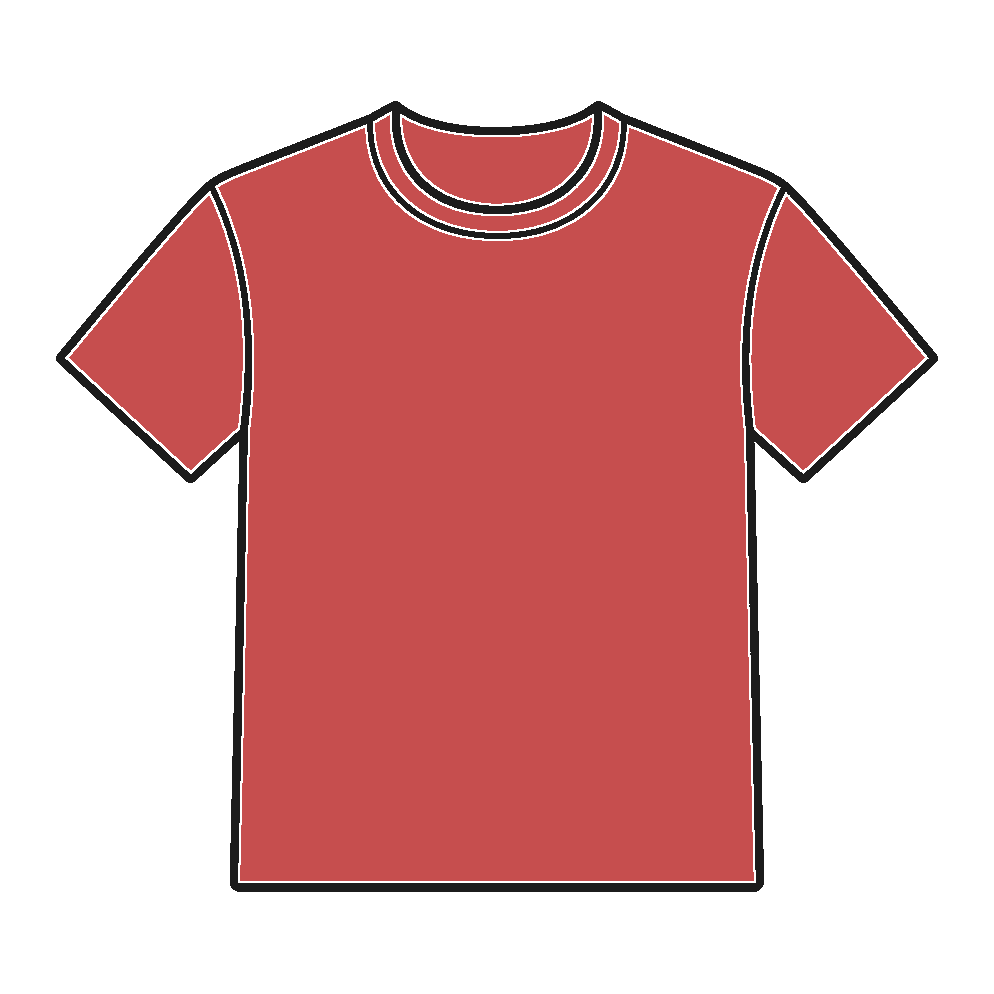
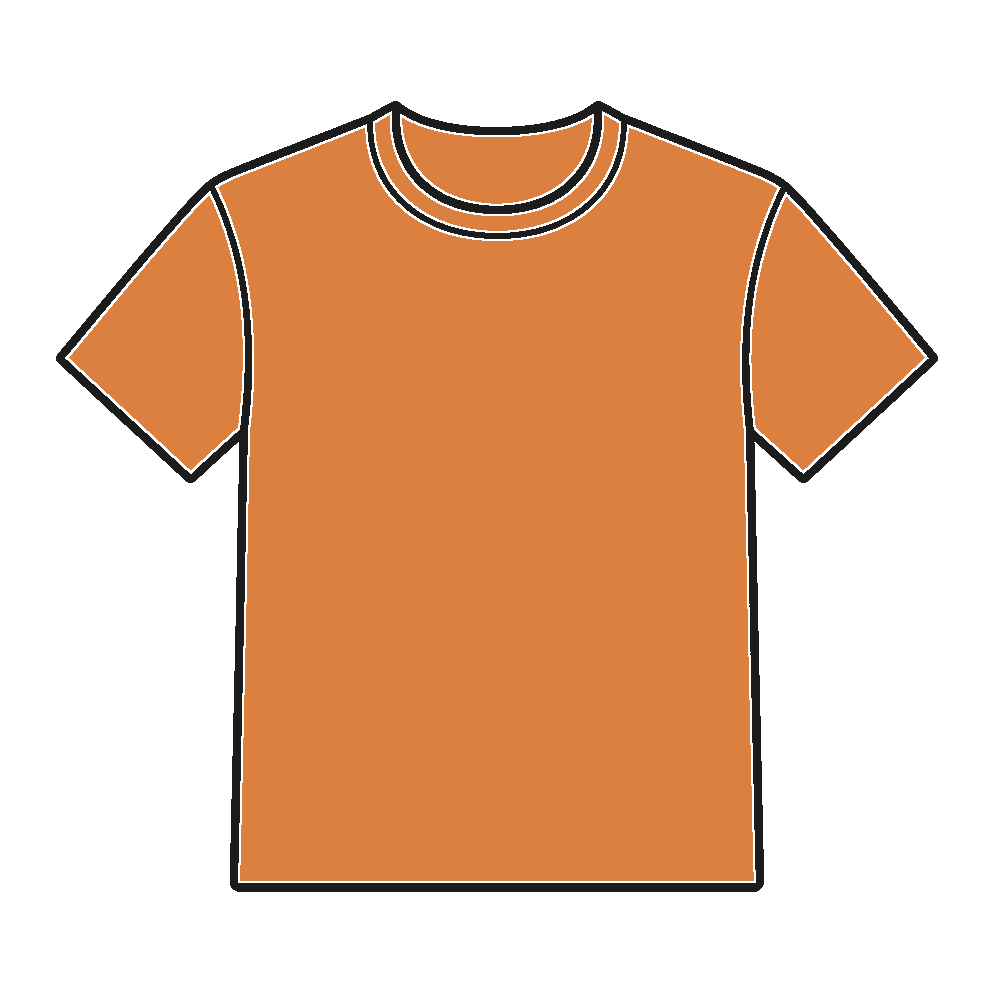
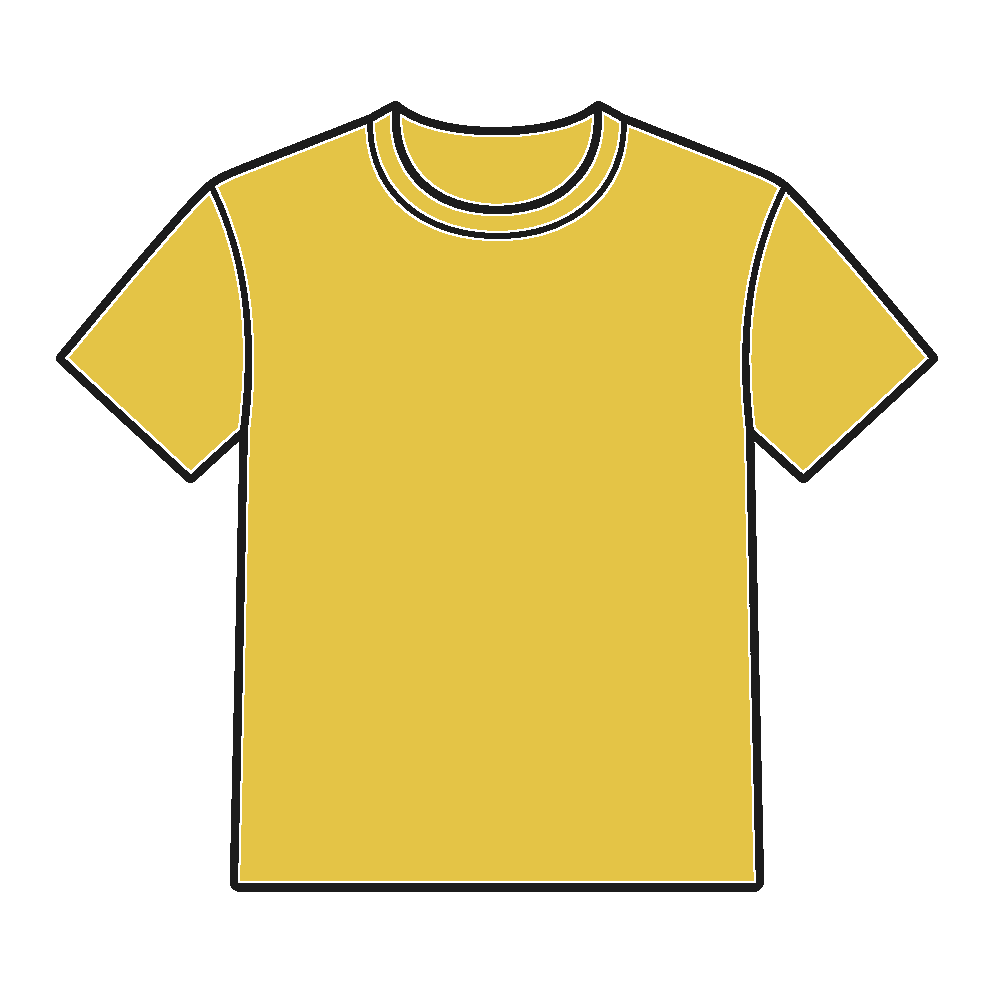
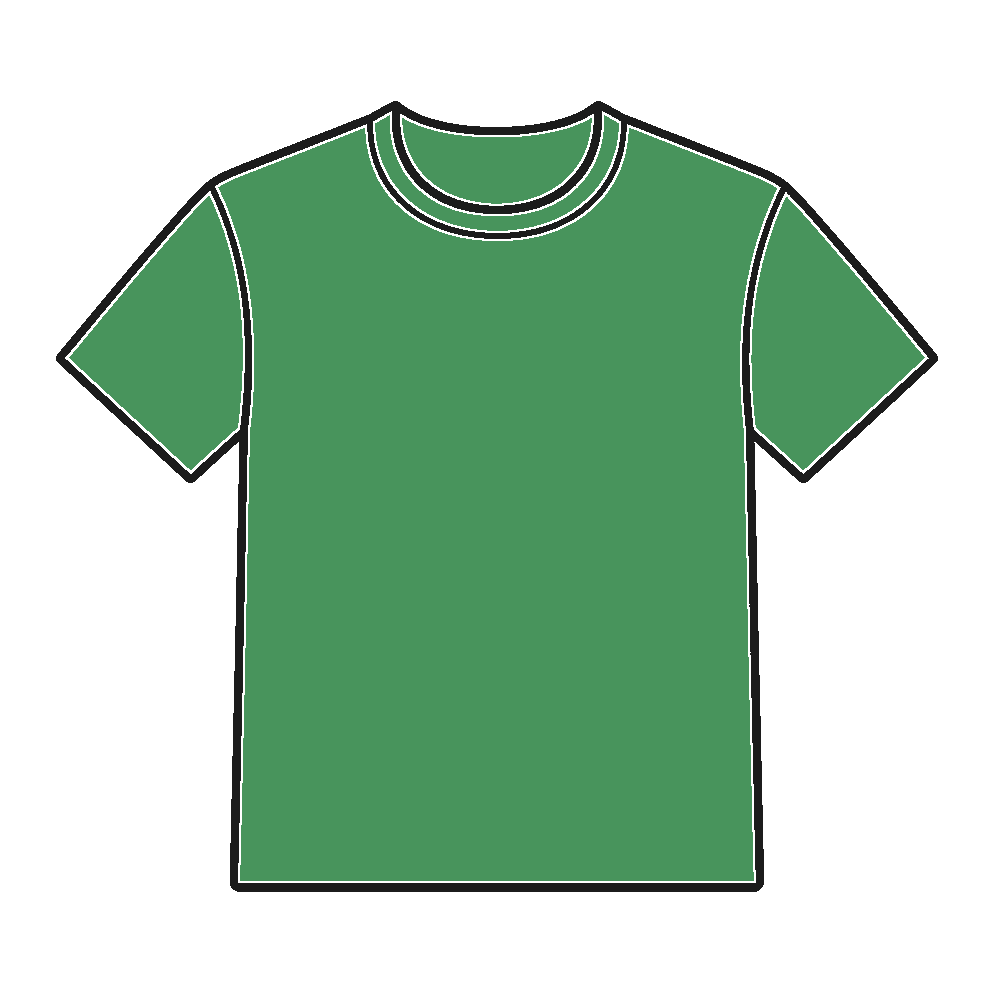
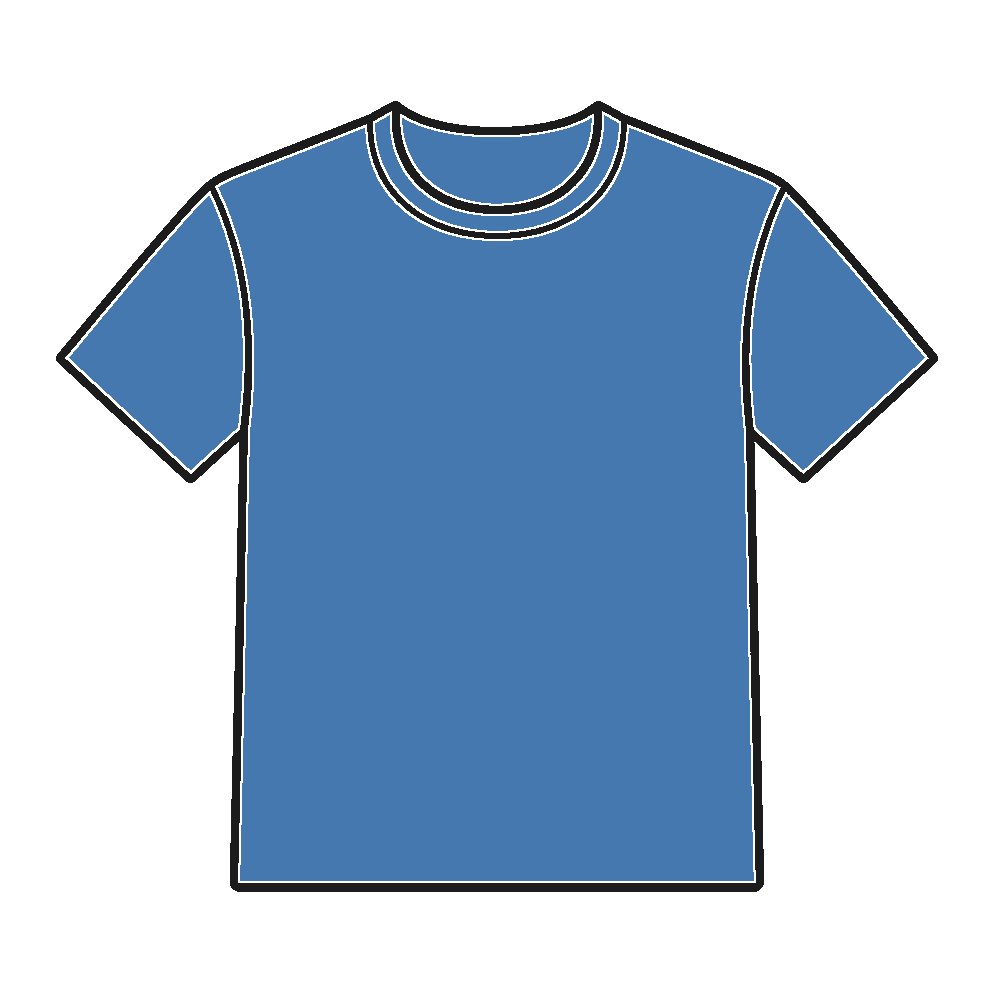
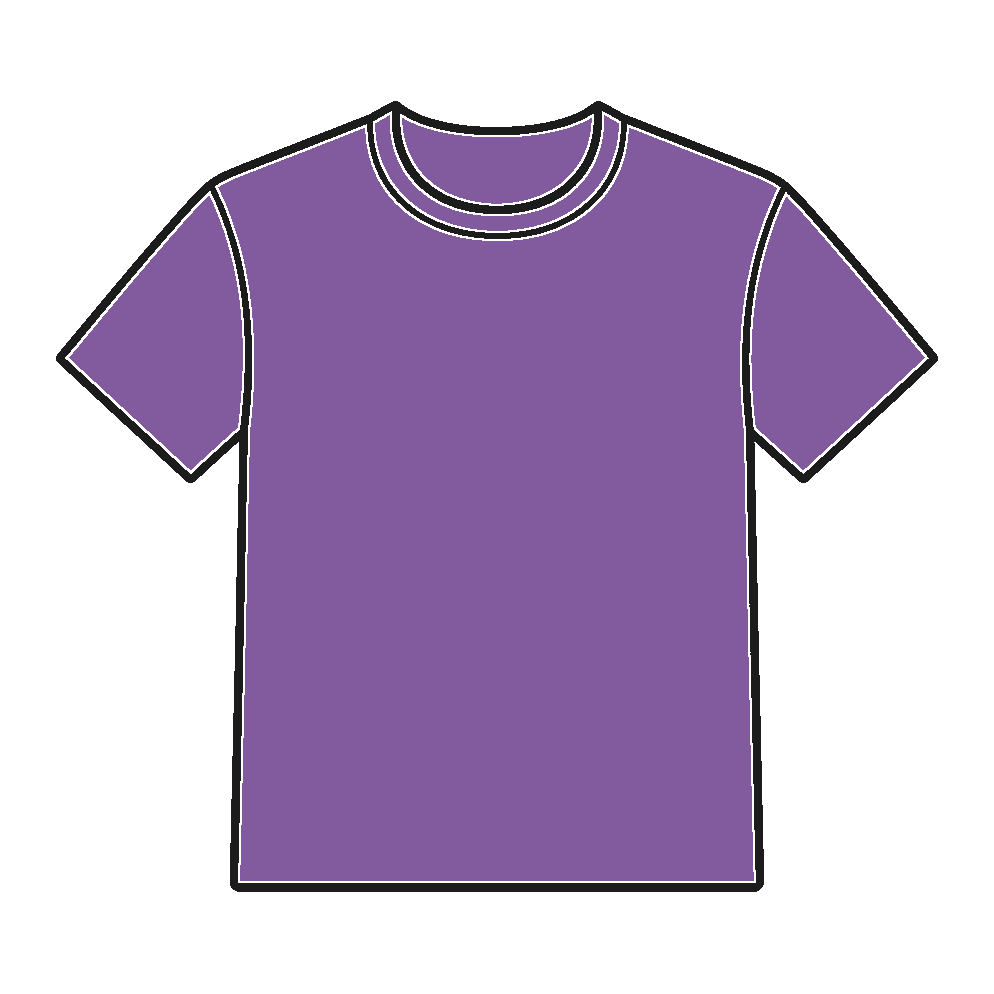
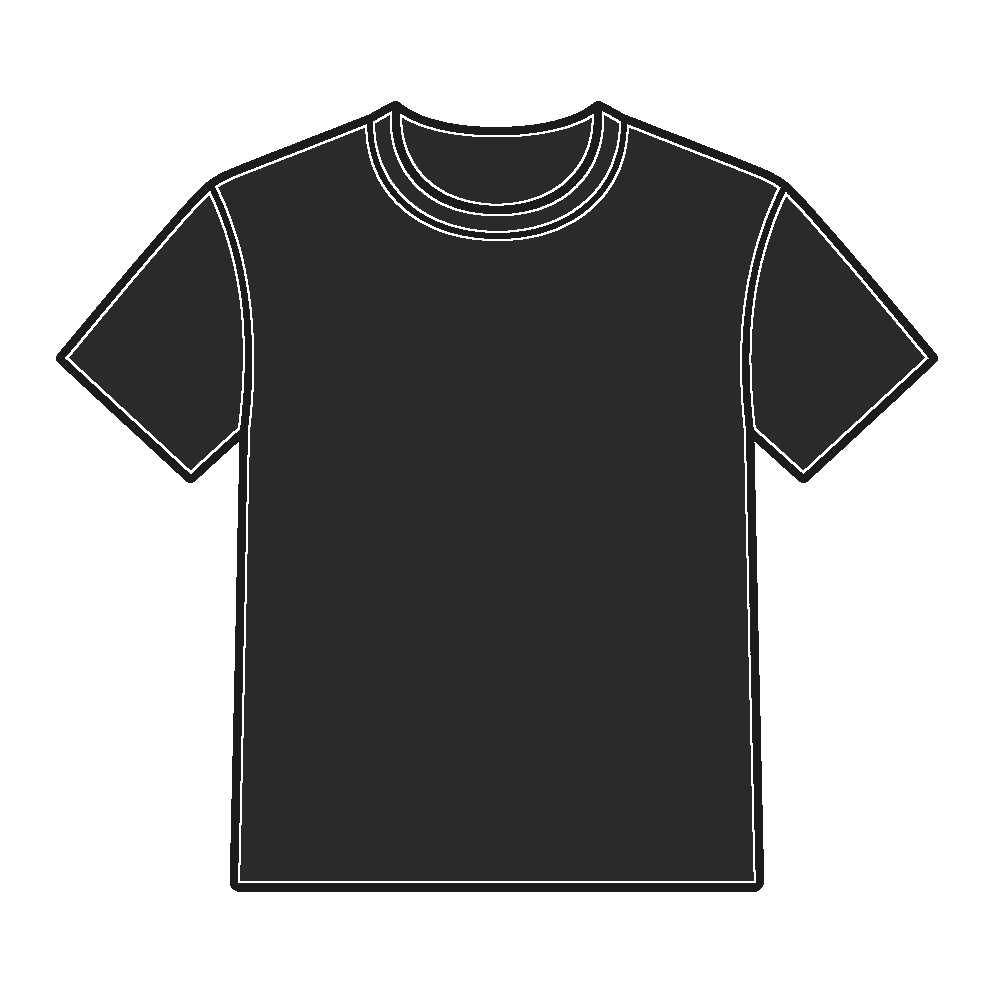
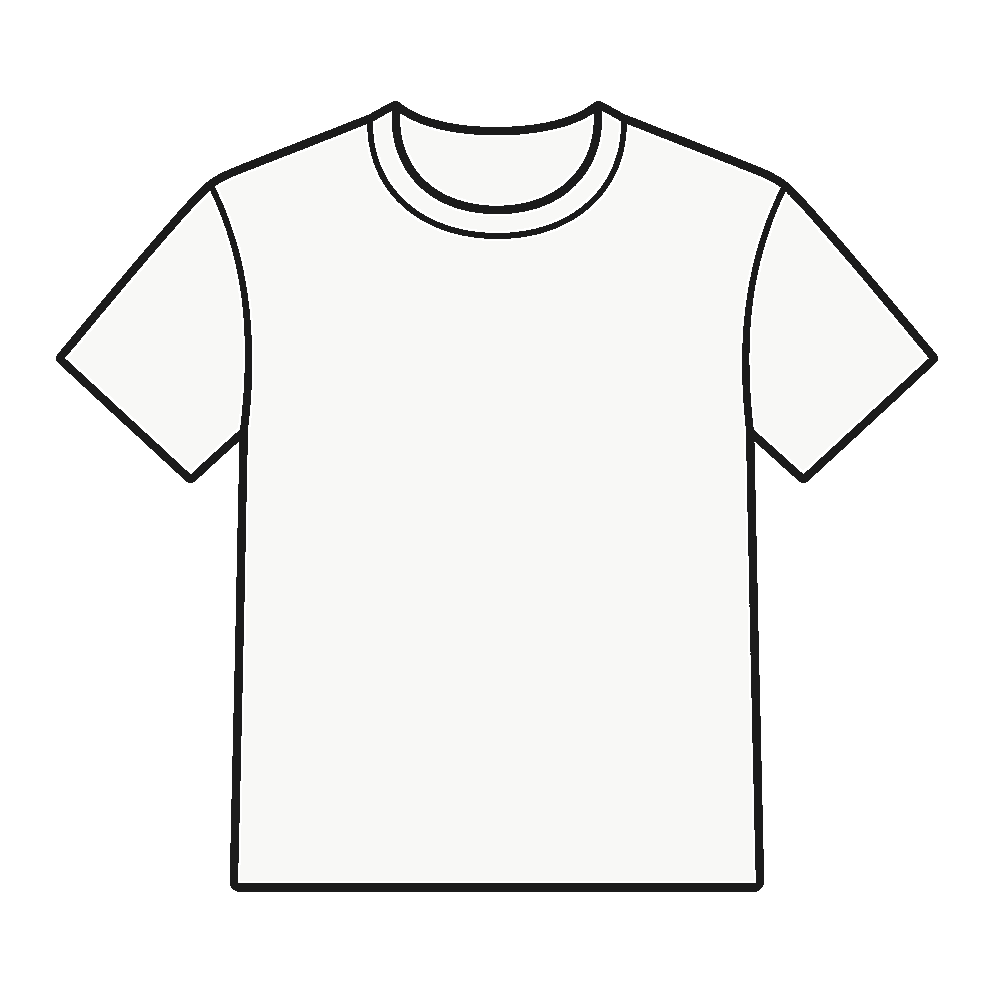
Recall the words of the colors below. Then, listen and repeat.
| 1. | 2. | 3. | 4. | 5. |
 |  |  |  |  |
| ________ | ________ | ________ | ________ | ________ |
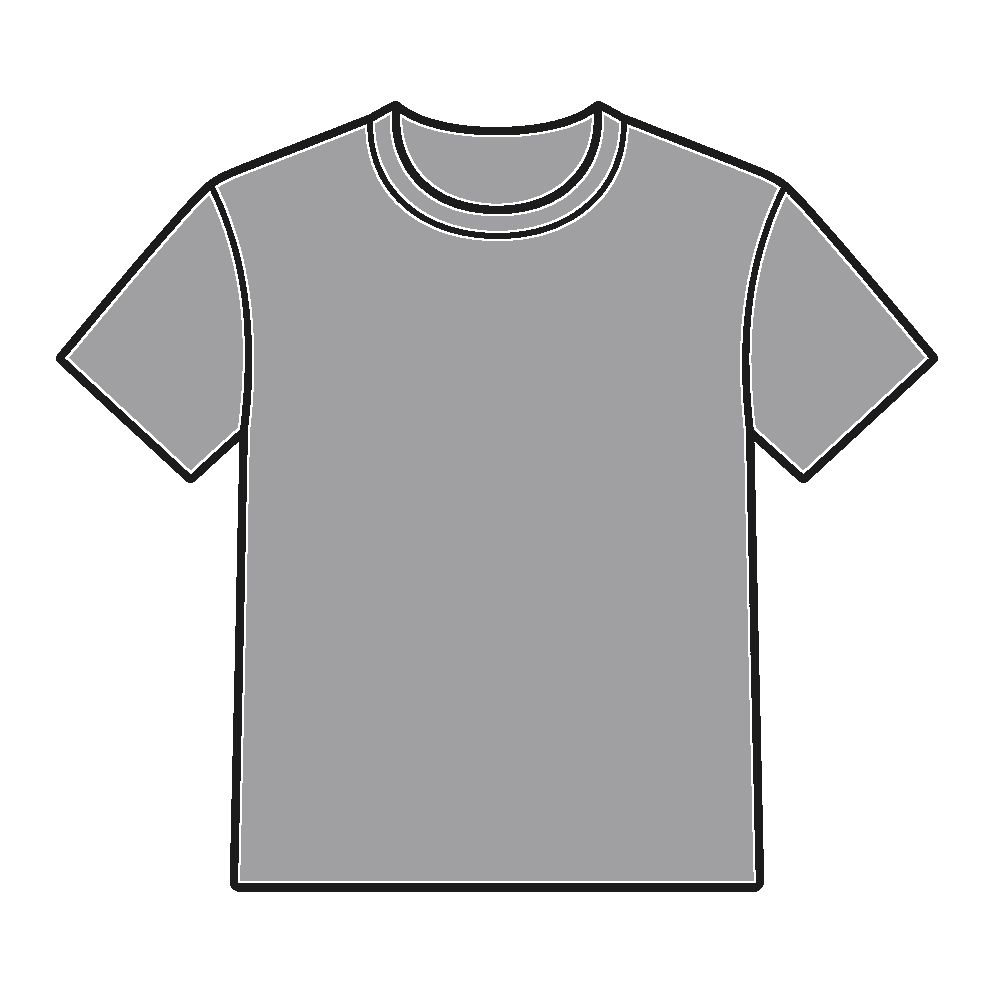
| red | orange | yellow | green | blue |
| 6. | 7. | 8. | 9. | |
 |  |  |  | |
| ________ | ________ | ________ | ________ | |
| purple | black | white | grey |
Step 2
Listen to a conversation. The speakers are choosing a color for the top. Write down the color they have chosen.
________| A | |
| B | |
| A | |
| B |
Step 3
Listen to the conversation again. Read the script while listening. Check your answer.
| A | 你覺得灰色定白色好啲呀? nei5 gok3 dak1 fui1 sik1 ding6 baak6 sik1 hou2 di1 aa3? Do you think grey or white is better? |
| B | 我覺得灰色好過白色呀。灰色襯你多啲呀。 ngo5 gok3 dak1 fui1 sik1 hou2 gwo3 baak6 sik1 aa3. fui1 sik1 can3 nei5 do1 di1 aa3. I think grey is better than white. Grey matches you more. |
| A | 噉就買灰色啦。 gam2 zau6 maai5 fui1 sik1 laa1. Then, let me buy grey. |
| B | 噉我哋去俾錢啦。 gam2 ngo5 dei6 heoi3 bei2 cin2 laa1. Then, let’s go to pay. |
- 好啲 hou2 di1 = better
- 好過 hou2 gwo3 = better than
- 襯 can3 = to match
- 多啲 do1 di1 = more
- 俾錢 bei2 cin2 = to pay
Step 4
Listen and repeat.
Step 5
Replace the highlighted words in the script with the other colors above to make your conversations.
Grammar and Vocabulary
In the Grammar and Vocabulary section, you will learn:
- Forming Comparative Adjectives with the Suffix 過 gwo3 (‘more … than’)
- Forming Superlative Adjectives with 最 zeoi3 (‘most’)
- Using 多啲 do1 di1 (‘more’) and 多過 do1 gwo3 (‘more than’) with Stative Verbs
- Describing Actions with 得 dak1
- Referring to Items in Sequential Order
- Referring to Items by Attributes
- Referring to Other Items
- The Pronoun 全部 cyun4 bou6 (‘all’)
- The Verbs 着 / 著 zoek3 (‘to wear’) and 戴 daai3 (‘to wear’)
- Vocabulary List
- Vocabulary: Commenting on Clothes
53.1 Forming Comparative Adjectives with the Suffix 過 gwo3 (‘more … than’)
In Grammar and Vocabulary 27.4, we learned that we can put the suffix 啲 di1 (‘more’) after an adjective to form a comparative adjective. We also learned that when we use a comparative adjective as a predicative adjective, we don’t need to add the default adverb 好 hou2 or a degree word before the adjective.
We use comparative adjectives to compare two items. When using 啲 di1, we only mention one item in the sentence. If we want to mention both items within the same sentence for comparison, we can use the suffix 過 gwo3 (‘more … than’) to form a comparative adjective. We put the first item at the position of the subject and the second item after 過 gwo3. We don’t need to add the default adverb 好 hou2 or a degree word before the adjective.
If we want to add the adverb 好似 hou2 ci5 (‘seem’) and the pronoun 噉 gam2 (‘seem’), we can put 好似 hou2 ci5 before the adjective and 噉 gam2 after the second item.
53.2 Forming Superlative Adjectives with 最 zeoi3 (‘most’)
In Grammar and Vocabulary 41.5, we learned that we can use the adverb 最 zeoi3 to modify a preference verb.
We can also put the adverb 最 zeoi3 before an adjective to form a superlative adjective. 最 zeoi3 functions like most in English (as in most beautiful).
53.3 Using 多啲 do1 di1 (‘more’) and 多過 do1 gwo3 (‘more than’) with Stative Verbs
The adverb 多啲 do1 di1 means ‘more’ in the sense of ‘to a greater degree’ (as in I like this design more). We can use it to compare two items. We can use 多啲 do1 di1 with a stative verb. In this lesson, we will learn to use it with these three stative verbs: 鍾意 zung1 ji3 (‘to like’), 襯 can3 (‘to match’) and 啱 ngaam1 (‘to suit’). Below are the sentence structures for using 多啲 do1 di1 with them. We put 多啲 do1 di1 after the object. Pay attention to the position of the person and the item, depending on the verb.
When using 多啲 do1 di1, we only mention one item in the sentence. If we want to mention both items within the same sentence for comparison, we can use the adverb 多過 do1 gwo3 (‘more than’). Below are the sentence structures for using 多過 do1 gwo3 with the three verbs. We put 多過 do1 gwo3 after the object, and the second item after 多過 do1 gwo3.
53.4 Describing Actions with 得 dak1
If we want to describe how an action is done, we can use the particle 得 dak1 to introduce the description. The sentence structure we use depends on whether or not we mention an object in the sentence.
Without an object
If we don’t mention an object, we simply add 得 dak1 and the description after the verb of the action. The description is usually a degree word and an adjective. The particle 得 dak1 functions like the suffix -ly in English (as in beautifully). It can turn the adjective behind it into an adverb, which can be used to modify the verb.
If we want to add the adverb 好似 hou2 ci5 (‘seem’) and the pronoun 噉 gam2 (‘seem’), we can put 好似 hou2 ci5 before the degree word and 噉 gam2 after the adjective.
With an object
If we mention an object, we first say the verb and the object as usual. After that, we duplicate the verb. Finally, we add 得 dak1 and the description.
Again, if we want to add the adverb 好似 hou2 ci5 (‘seem’) and the pronoun 噉 gam2 (‘seem’), we can put 好似 hou2 ci5 before the degree word and 噉 gam2 after the adjective.
Separable verbs
If the verb is a separable verb (e.g., 跳舞 tiu3 mou5 ‘to dance’), we can choose to omit or keep the object part.
If we choose to omit the object part, we can simply add 得 dak1 and the description after the verb part.
If we choose to keep the object part, we first say the verb as usual. After that, we duplicate the verb. When duplicating the verb, we need to omit the object part. Finally, we add 得 dak1 and the description.
When duplicating 跳舞 tiu3 mou5 (‘to dance’), we need to omit the object part 舞 mou5.53.5 Referring to Items in Sequential Order
In this lesson, we will learn to compare different items. When comparing different items, we often need to refer to one of the items in the context. We will learn several ways to do so.
第 dai6 ('first, second, etc.')
The first way is to use sequential order. In Lesson 0, we learned that we can use the prefix 第 dai6 to form ordinal numbers ('first, second, etc.').
We can use an ordinal number with a noun. We first say the ordinal number, and then the classifier and the noun.
We often omit the noun if it is obvious in the context.
We can add the demonstratives 呢 ni1 / nei1 (‘this’) and 嗰 go2 (‘that’) after the ordinal number.
Again, we often omit the noun if it is obvious in the context.
頭 tau4 (‘first’)
The adjective 頭 tau4 also means ‘first’. We can use it to refer to the first item or the first several items. We put a quantity after 頭 tau4. Note that we use 兩 loeng5 for ‘two’.
Again, we often omit the noun if it is obvious in the context.
We can add the demonstratives 呢 ni1 / nei1 (‘this’) and 嗰 go2 (‘that’) after 頭 tau4. If the number is 一 jat1 (‘one’), we can optionally omit the number.
Again, we often omit the noun if it is obvious in the context.
最後 zeoi3 hau6 and 最尾 zeoi3 mei5 (‘last’)
The adjectives 最後 zeoi3 hau6 and 最尾 zeoi3 mei5 (also pronounced as zeoi3 mei1) mean ‘last’. We can use them to refer to the last item or the last several items. We put a quantity after 最後 zeoi3 hau6 and 最尾 zeoi3 mei5. Note that we use 兩 loeng5 for ‘two’.
Again, we often omit the noun if it is obvious in the context.
We can add the demonstratives 呢 ni1 / nei1 (‘this’) and 嗰 go2 (‘that’) after 最後 zeoi3 hau6 and 最尾 zeoi3 mei5. If the number is 一 jat1 (‘one’), we can optionally omit the number.
Again, we often omit the noun if it is obvious in the context.
上 soeng6 (‘previous’) and 下 haa6 (‘next’)
The adjectives 上 soeng6 and 下 haa6 mean ‘previous’ and ‘next’ respectively. We can use them to refer to the previous item(s) or the next item(s). We put a quantity after 上 soeng6 and 下 haa6. Note that we use 兩 loeng5 for ‘two’. If the number is 一 jat1 (‘one’), we can optionally omit the number.
Again, we often omit the noun if it is obvious in the context.
We can add the demonstratives 呢 ni1 / nei1 (‘this’) and 嗰 go2 (‘that’) after 上 soeng6 or 下 haa6. If the number is 一 jat1 (‘one’), we can optionally omit the number.
Again, we often omit the noun if it is obvious in the context.
53.6 Referring to Items by Attributes
When comparing different items, we can refer to a specific item by its attribute (e.g., its color or price). To do so, we can use the following structure to form a noun phrase. The attribute can be an adjective or a noun.
We often omit the item if it is obvious in the context.
53.7 Referring to Other Items
When comparing different items, we often say things like ‘this one’ and ‘the other one’. We will learn three words that can be used to refer to other items in a context.
另外 ling6 ngoi6 (‘other; another’)
To say ‘the other …’, we can use the pronoun 另外 ling6 ngoi6 (‘other; another’) to form a noun phrase. We first say 另外 ling6 ngoi6 and then the number, the classifier and the noun. Note that the same noun phrase can also mean ‘another …’.
If the number is 一 jat1 (‘one’), we can optionally omit the number. However, when 一 jat1 is omitted, the noun phrase usually only means ‘the other …’.
We often omit the noun if it is obvious in the context. Note that if we omit the noun, we don’t omit the number 一 jat1 at the same time.
We can add the demonstratives 呢 ni1 / nei1 (‘this’) and 嗰 go2 (‘that’) after 另外 ling6 ngoi6. If the number is 一 jat1 (‘one’), we can optionally omit the number.
Again, we often omit the noun if it is obvious in the context.
We can use the classifier 啲 di1 if the noun is plural or uncountable. Note that the same noun phrase can mean ‘the other …’ or ‘other …’.
We can add the demonstratives 呢 ni1 / nei1 (‘this’) and 嗰 go2 (‘that’) after 另外 ling6 ngoi6.
We can omit the noun if it is obvious in the context.
We can also use the particle 嘅 ge3 instead of a classifier. Note that the same noun phrase can mean ‘the other …’ or ‘other …’.
另一 ling6 jat1 (‘another; other’)
We can also use the word 另一 ling6 jat1 (‘another; other’) to mean ‘another …’ or ‘the other …’.
Again, we often omit the noun if it is obvious in the context.
We can use the classifier 啲 di1 if the noun is plural or uncountable.
We can omit the noun if it is obvious in the context.
第二 dai6 ji6 (‘another; other’)
The ordinal number 第二 dai6 ji6 means ‘second’. We can also use 第二 dai6 ji6 as a pronoun to mean ‘another; other’. We sometimes contract 第二 dai6 ji6 as 第 dai6.
Again, we often omit the noun if it is obvious in the context.
We can use the classifier 啲 di1 if the noun is plural or uncountable.
We can omit the noun if it is obvious in the context.
Definite and indefinite meaning
Some of the noun phrases above have more than one meaning. The meaning can be definite (‘the other …’) or indefinite (‘another / other …’). The actual meaning depends on the context. If the noun phrase appears before the verb (as subject or topic), the meaning will be definite (‘the other …’). If the noun phrase appears after the verb (as object or subject complement), the meaning can be definite (‘the other …’) or indefinite (‘another / other …’). In such cases, we will need other information in the context to decide whether the noun phrase is definite or indefinite.
53.8 The Pronoun 全部 cyun4 bou6 (‘all’)
The pronoun 全部 cyun4 bou6 means ‘all’. We can use 全部 cyun4 bou6 to refer to all the items in a context.
不如買晒全部啦。
bat1 jyu4 maai5 saai3 cyun4 bou6 laa1.
Why don’t you buy all?
In Grammar and Vocabulary 28.7, we learned that when using 晒 saai3, we sometimes move the object of the sentence to the beginning of the sentence, making it the topic of the sentence. We also do so when the object is 全部 cyun4 bou6.
不如買晒全部啦。
bat1 jyu4 maai5 saai3 cyun4 bou6 laa1.
Why don’t you buy all?
↓
不如全部買晒啦。
bat1 jyu4 cyun4 bou6 maai5 saai3 laa1.
Why don’t you buy all?
When we put 全部 cyun4 bou6 before the verb in a sentence, we usually add the adverb 都 dou1 (‘all’) before the verb to emphasize that what we say applies to all the items.
不如全部都買晒啦。
bat1 jyu4 cyun4 bou6 dou1 maai5 saai3 laa1.
Why don’t you buy all?
If the sentence is a sentence with a predicative adjective, we put 都 dou1 before the degree word.
全部都好靚。
cyun4 bou6 dou1 hou2 leng3.
All are very beautiful.
We can add a noun after 全部 cyun4 bou6 to indicate which type of item we are referring to.
不如全部色都買晒啦。
bat1 jyu4 cyun4 bou6 sik1 dou1 maai5 saai3 laa1.
Why don’t you buy all the colors?
全部色都好靚。
cyun4 bou6 sik1 dou1 hou2 leng3.
All the colors are very beautiful.
全部 cyun4 bou6 usually refers to three or more items. If there are only two items, we often use 兩 loeng5 with the classifier for the item to refer to both of the two items.
不如兩件都買晒啦。
bat1 jyu4 loeng5 gin6 dou1 maai5 saai3 laa1.
Why don’t you buy both [tops]?
不如兩隻色都買晒啦。
bat1 jyu4 loeng5 zek3 sik1 dou1 maai5 saai3 laa1.
Why don’t you buy both colors?
兩件都好靚。
loeng5 gin6 dou1 hou2 leng3.
Both [tops] are very beautiful.
兩隻色都好靚。
loeng5 zek3 sik1 dou1 hou2 leng3.
Both colors are very beautiful.
53.9 The Verbs 着 / 著 zoek3 (‘to wear’) and 戴 daai3 (‘to wear’)
Both the verbs 着 zoek3 (also written as 著) and 戴 daai3 mean ‘to wear’, but we use them with different types of items. We generally use 着 zoek3 with clothing items that we usually wear every day, while we use 戴 daai3 with accessories that serve decorative or functional purposes.
53.10 Vocabulary List
53.11 Vocabulary: Commenting on Clothes
Positive Adjectives
Negative Adjectives
Degree Words
Communication
In the Communication section, you will learn:
- Talking About Clothes
Talking About Clothes
Asking for comments on an item
When we shop for clothes with someone, we often ask for their comments on the items we are trying on. We will start with general comments and then move on to comments about the design, color and cut.
General Comments
Design
Color
Cut
We often try on more than one item. To move on to the next one, we can say:
After putting on the second one, we can ask for the other person’s comments again.
Comparing different items
When shopping for clothes, we often compare different items.
If we are comparing three or more items, we can also the word 最 gin6 (‘most’).
Route A: One item is better
If there are three or more item, we can also use the word 最 zeoi3 (‘most’).
Route B: All the items are good
😈 If the other person wants to be a devil and tempt us into buying everything, they will say:
Route C: None of the items are good
If the other person wants to suggest trying other designs or going to other shops, they will say:
If we are choosing between two colors of the same design, we can ask:
If there are three or more colors, we can use the word 最 zeoi3 (‘most’).
Route A: One color is better
Route B: All the colors are good
😈 If the other person wants to be a devil and tempt us into buying all the colors, they will say:
Route C: None of the colors are good
After trying on the item, we need to change back into our clothes.
After that, we need to go to the cashier.
Exercises
Exercise 1
Complete the descriptions.
1.
We can add the suffixes ________ (‘more’) and ________ (‘more … than’) after an adjective to form a comparative adjective. We use ________ if we want to mention two items within the same sentence for comparison.
2.
We can put the adverb ________ (‘most’) before an adjective to form a superlative adjective.
3.
We can use the adverbs ________ (‘more’) and ________ (‘more … than’) with a stative verb. We use ________ if we want to mention two items within the same sentence for comparison.
4.
If we want to describe how an action is done, we can use the particle ________ to introduce the description.
5.
We can use the adjective ________ (‘first’) to refer to the first item or the first several items. We can use the adjectives ________ and ________ (‘last’) to refer to the last item or the last several items.
6.
To refer to other items in a context, we can use ________, ________ and ________.
7.
The pronoun ________ means ‘all’. When we put it before the verb in a sentence, we usually add the adverb ________ to add emphasis.
8.
Both the verbs ________ and ________ mean ‘to wear’. We use ________ with clothing items that we usually wear every day, while we use ________ with accessories that serve decorative or functional purposes.
Exercise 2
For each question, listen to the item and follow the example to complete the conversation. Then, check your answers and repeat after the recordings.
Example
衫 saam1 ← Listen to this first.
| A | 你覺得呢件衫點呀? nei5 gok3 dak1 ni1 gin6 saam1 dim2 aa3? What do you think about this top? |
| B | 你着得好好睇呀。 nei5 zoek3 dak1 hou2 hou2 tai2 aa3. You wear it very beautifully. |
1.
________
| A | ________ |
| B | ________ |
2.
________
| A | ________ |
| B | ________ |
3.
________
| A | ________ |
| B | ________ |
4.
________
| A | ________ |
| B | ________ |
5.
________
| A | ________ |
| B | ________ |
6.
________
| A | ________ |
| B | ________ |
Exercise 3
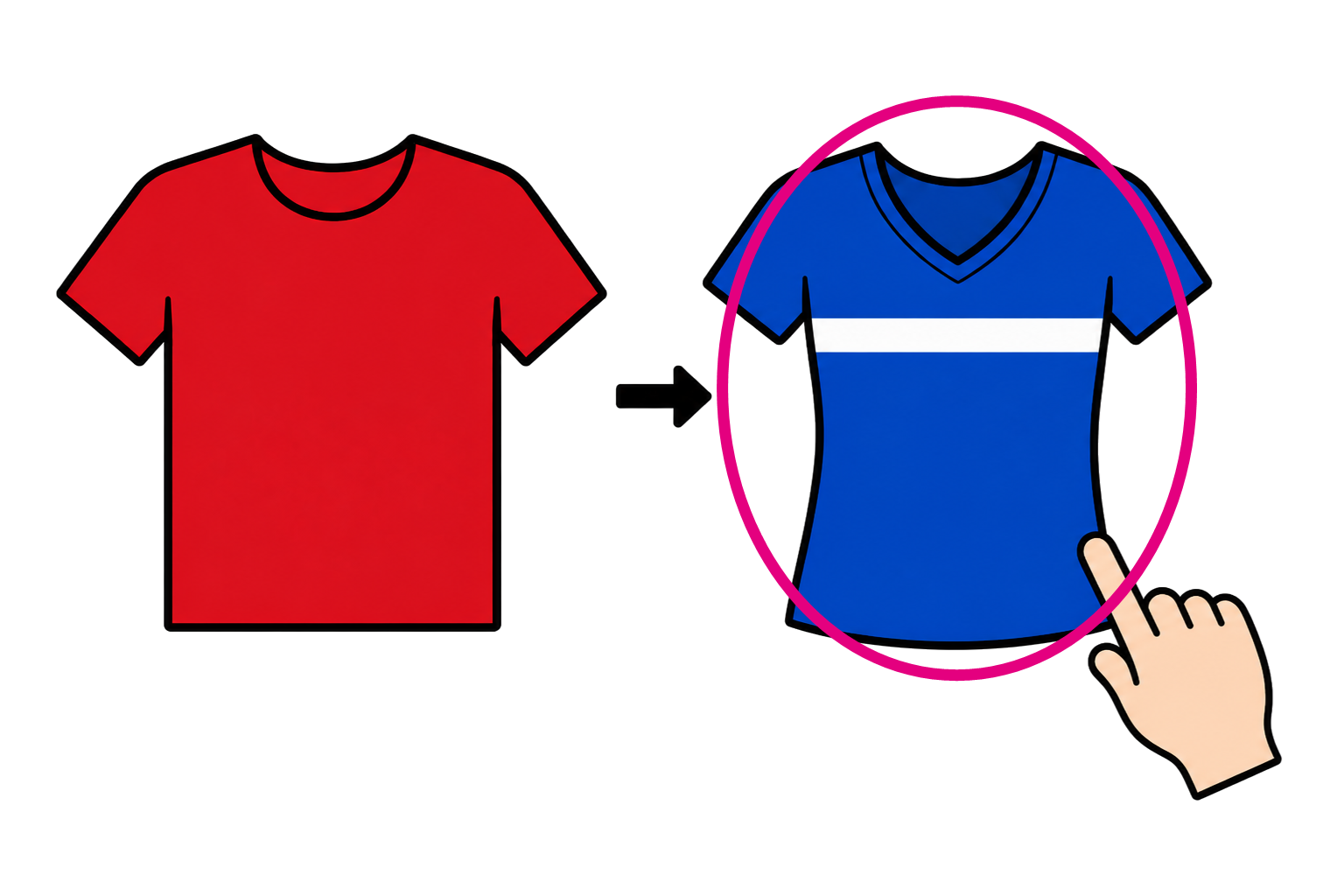
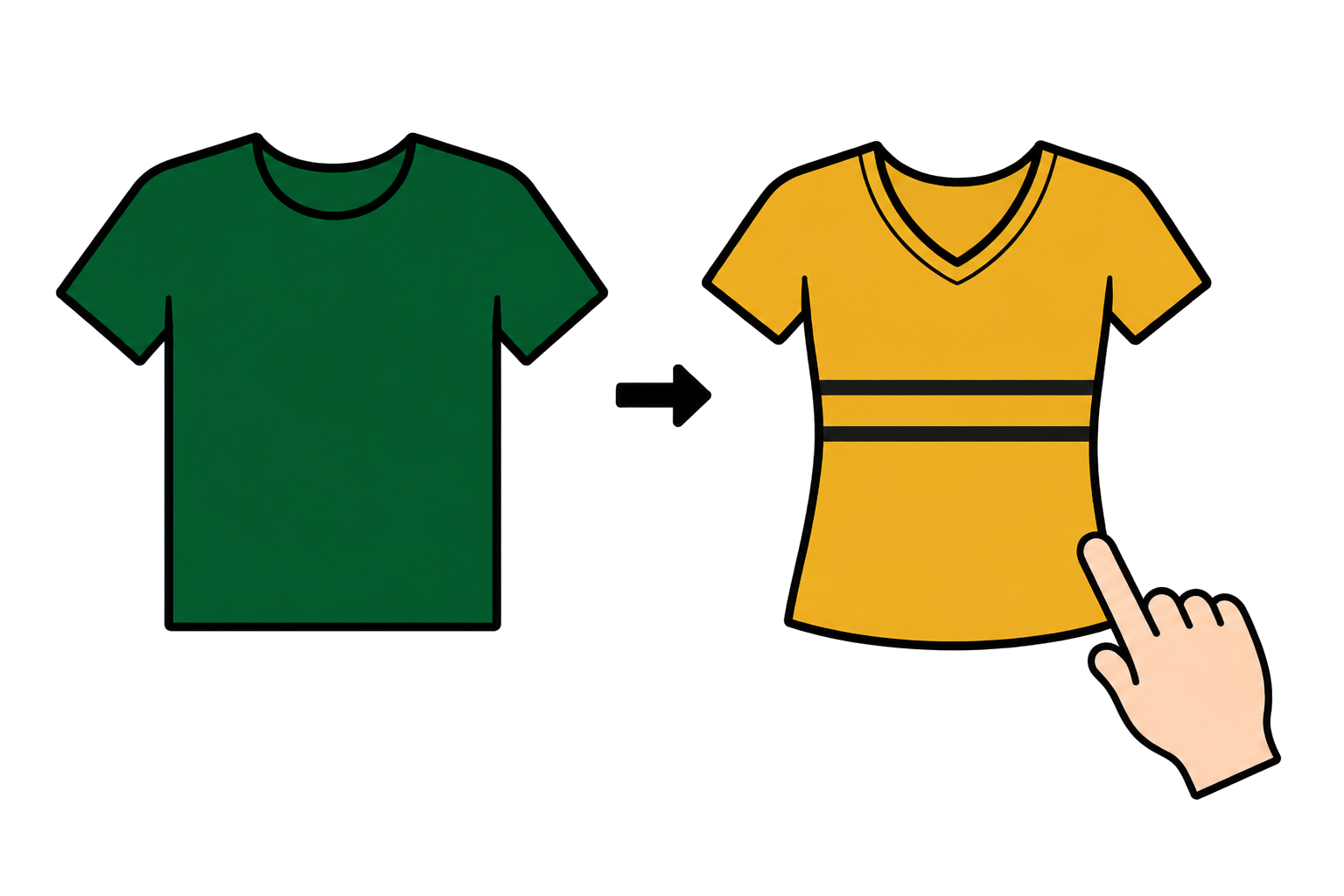
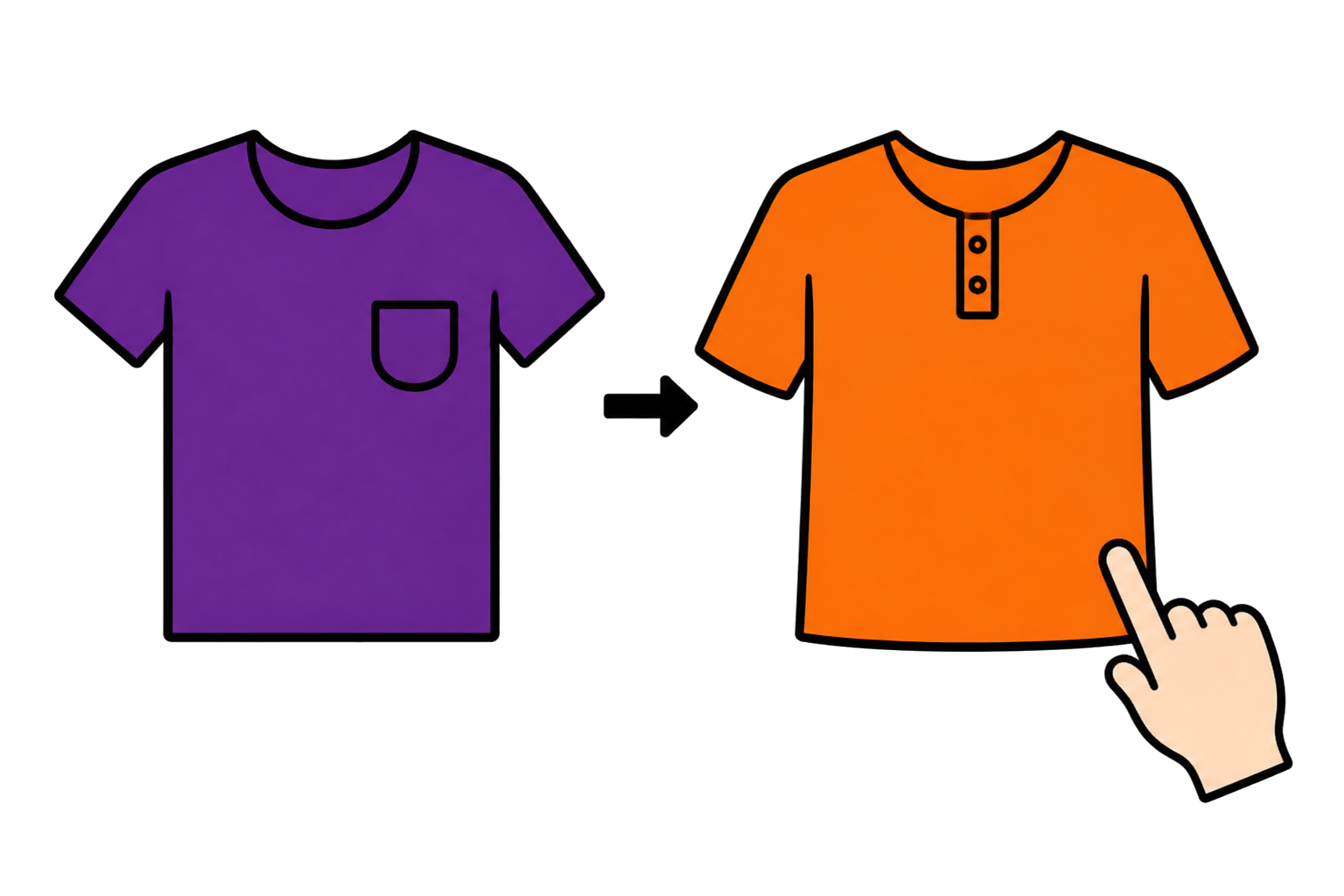
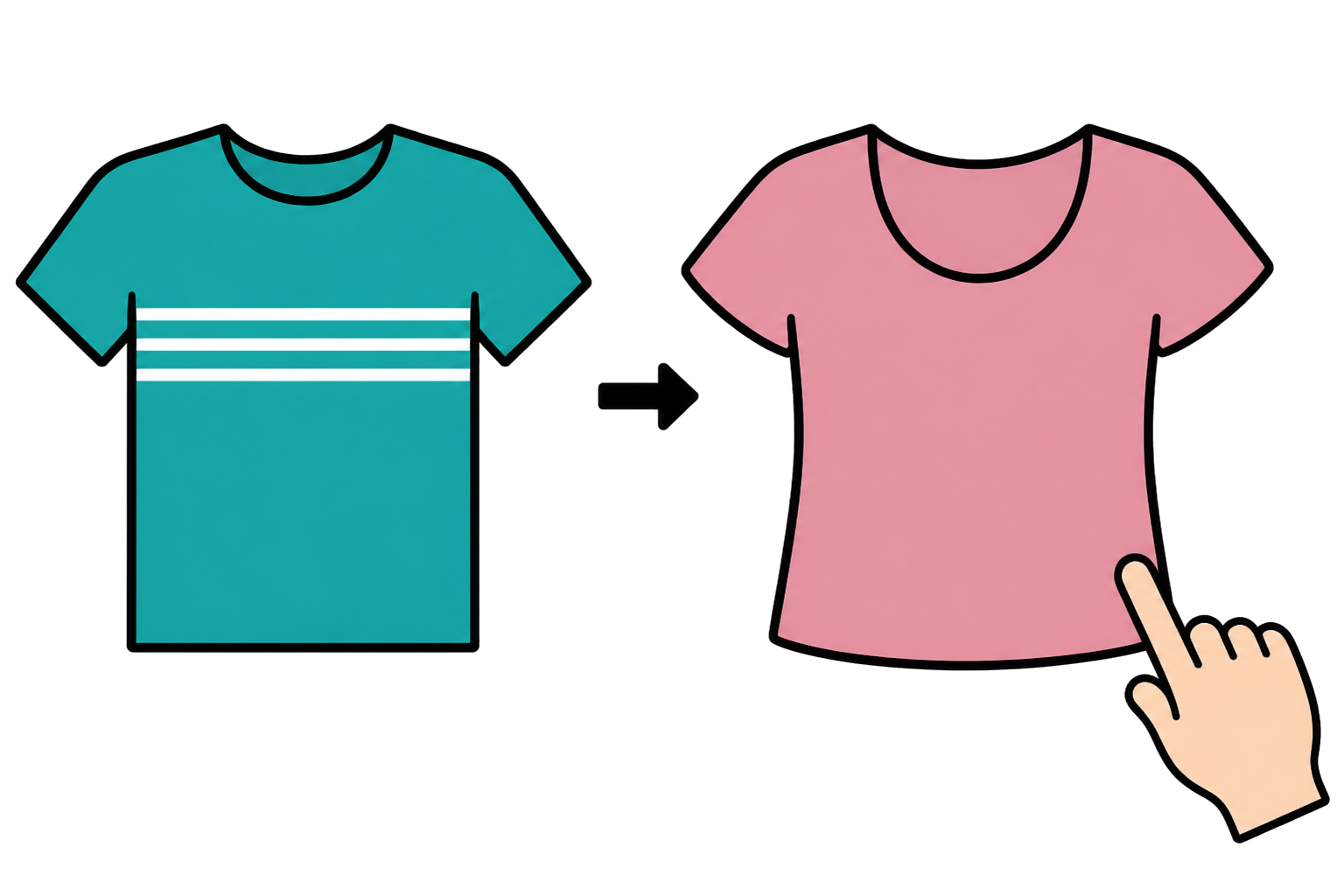
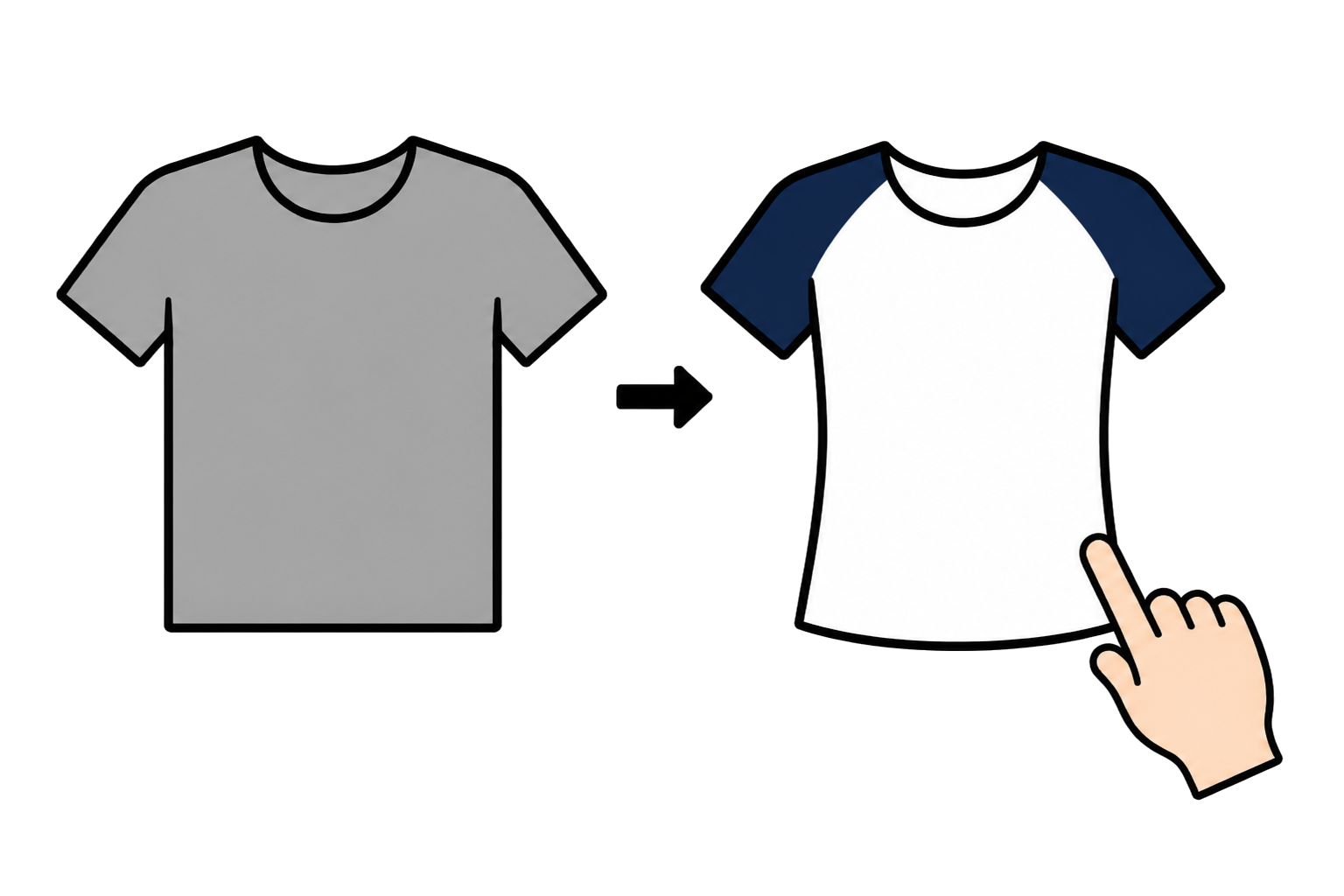
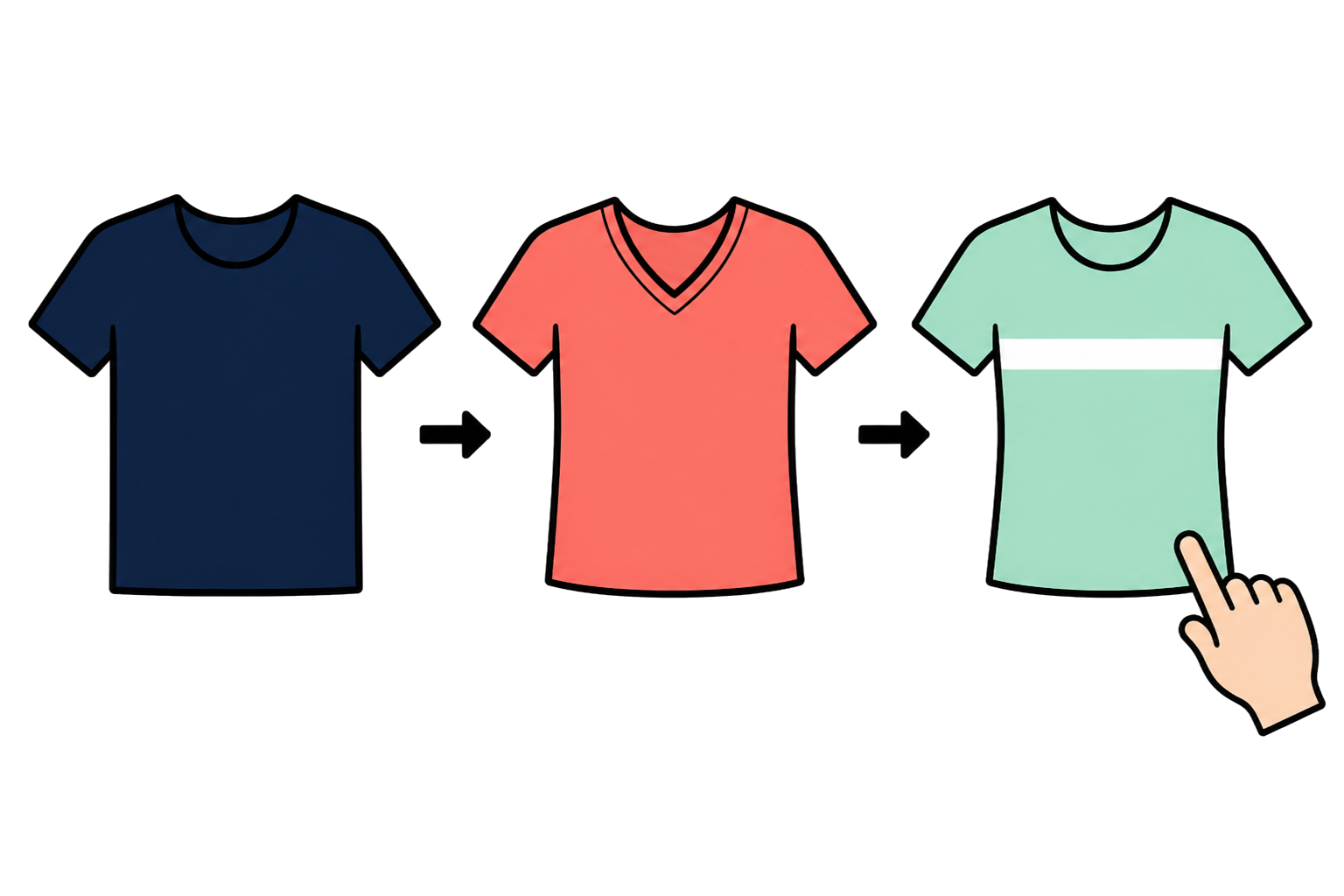
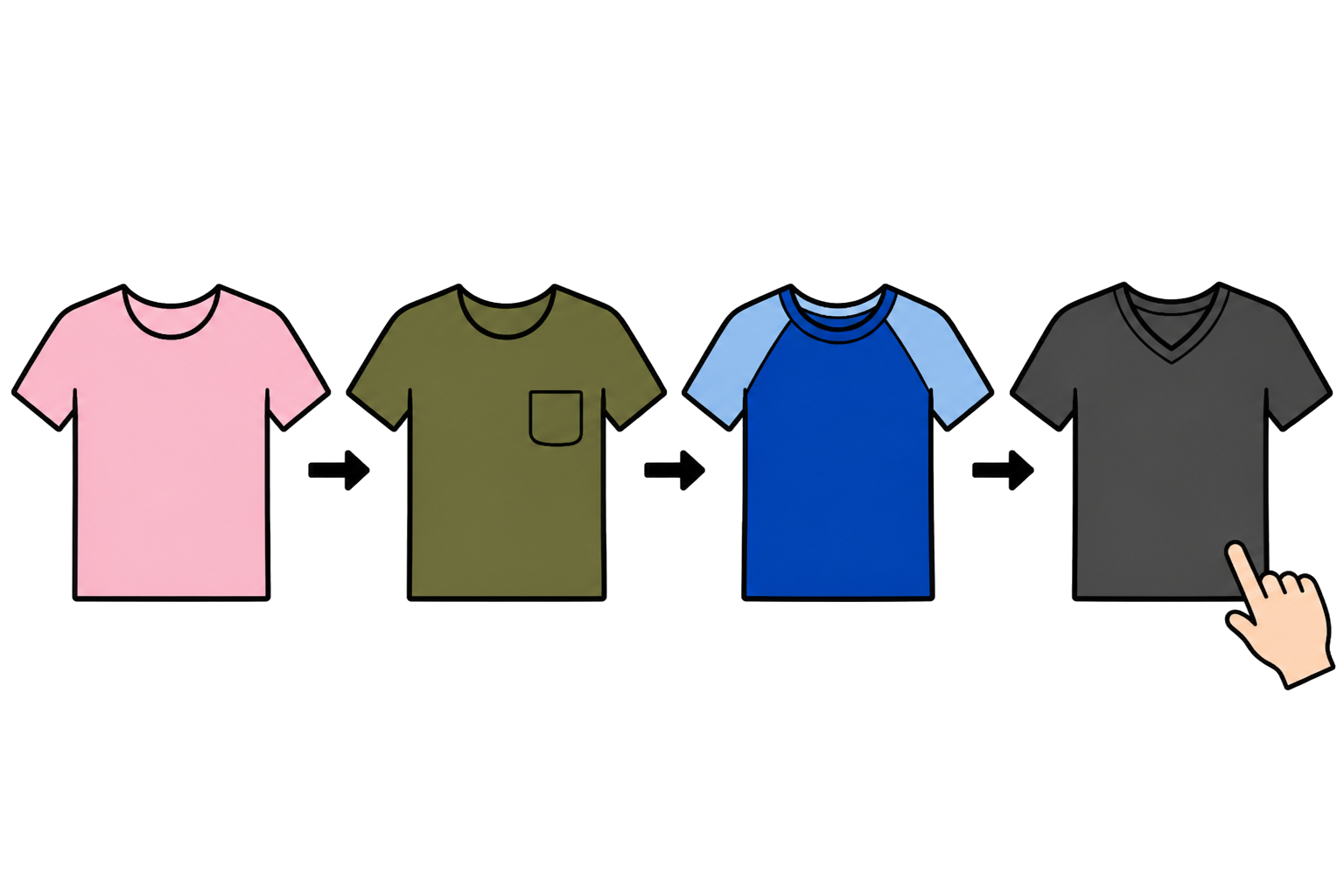
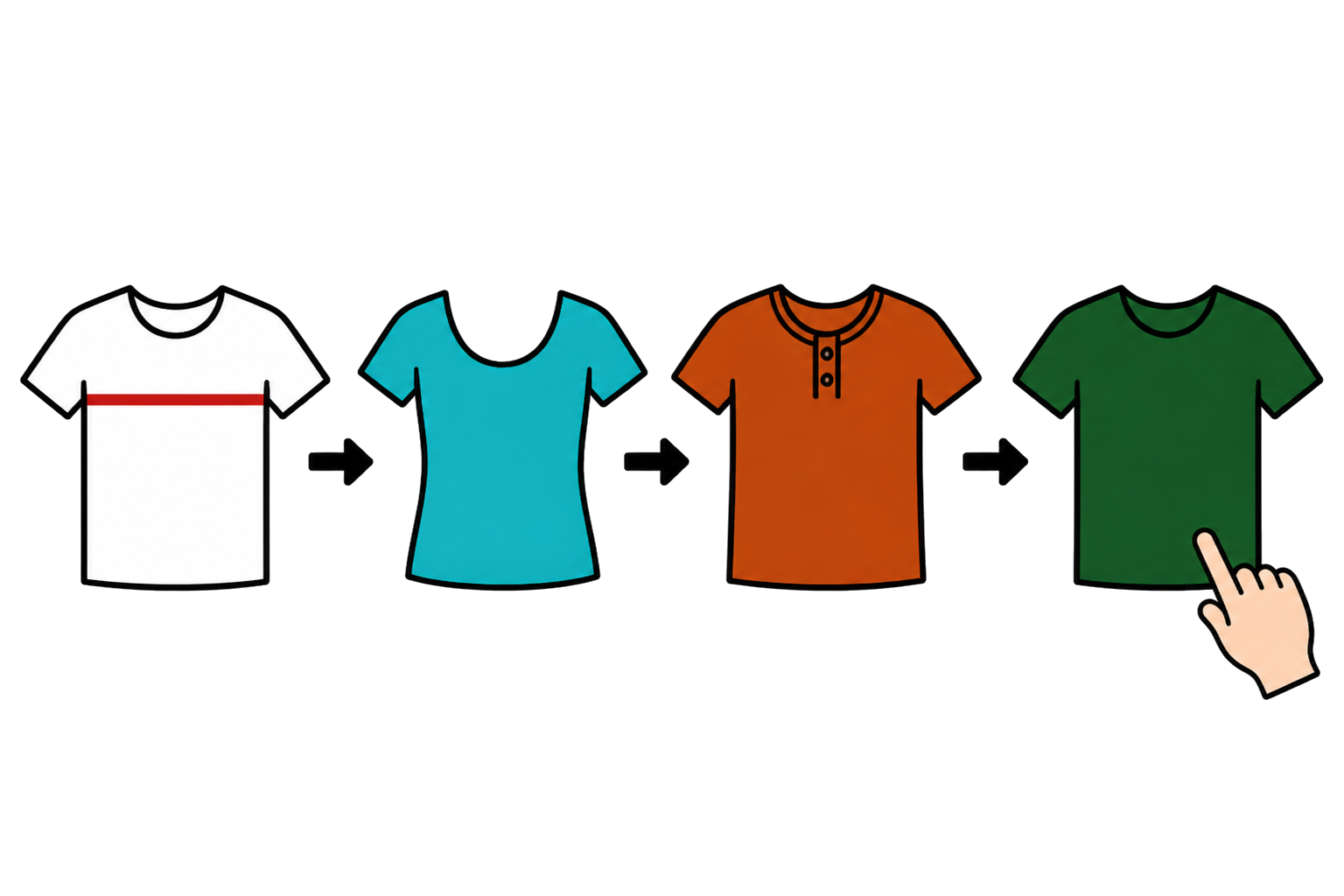
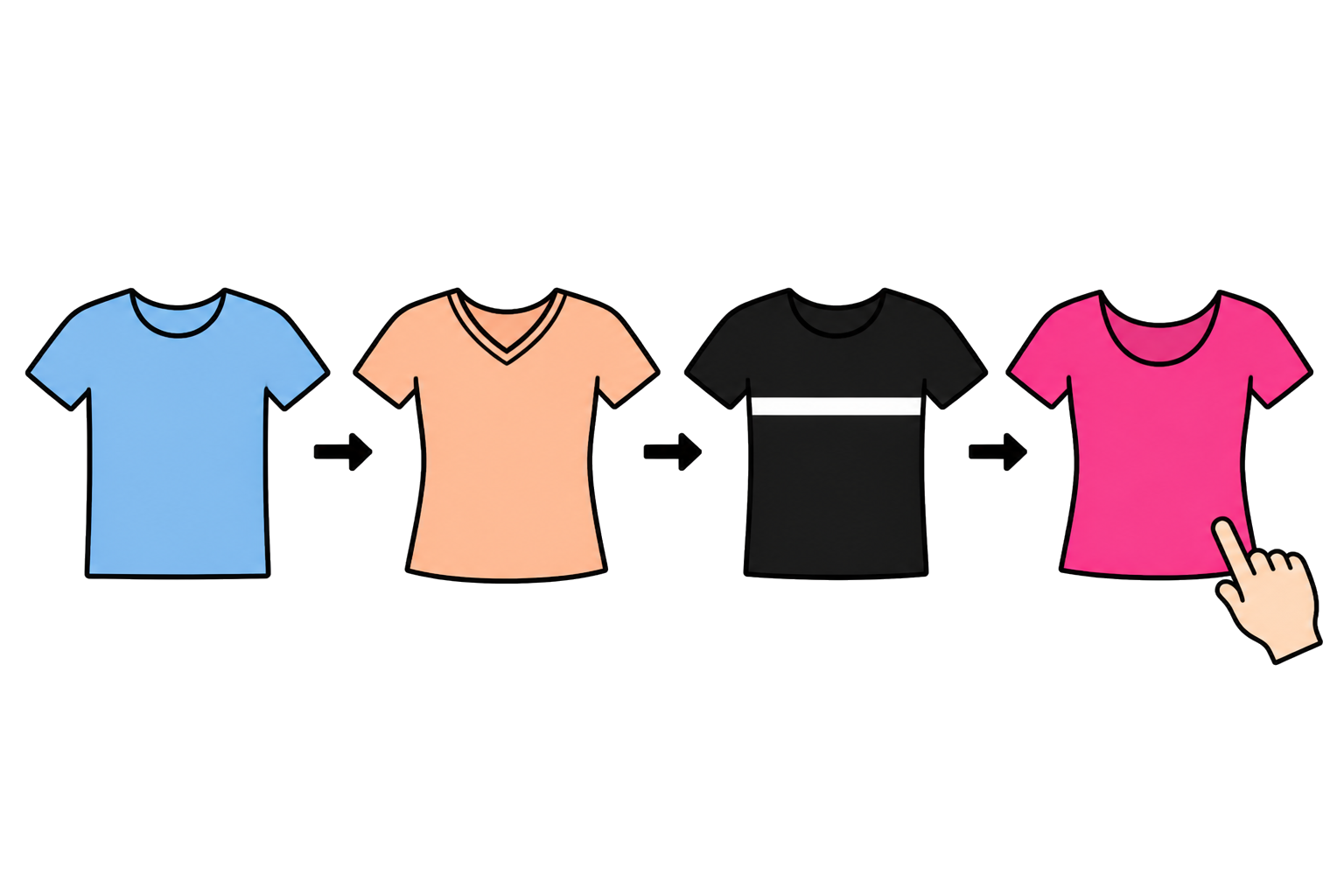
Listen to the conversations and circle the tops B likes. Then, check your answers and repeat after the recordings.
Example
⭐ A tries from the leftmost top to the rightmost top. A is currently wearing the rightmost top.
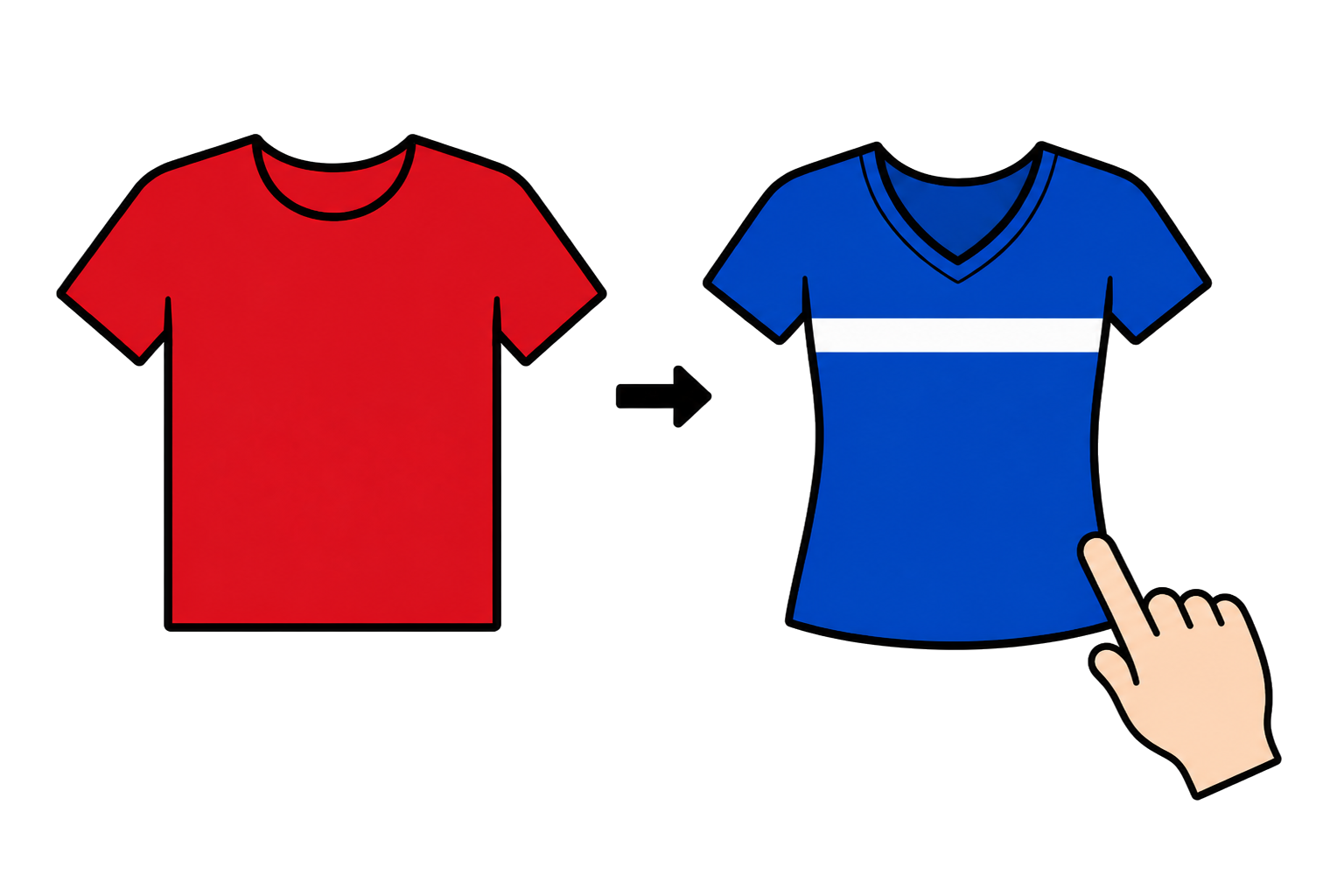
| A | 你覺得呢件定另外嗰件好啲呀? nei5 gok3 dak1 ni1 gin6 ding6 ling6 ngoi6 go2 gin6 hou2 di1 aa3? Do you think this one or the other one is better? |
| B | 我鍾意呢件多啲呀。 ngo5 zung1 ji3 ni1 gin6 do1 di1 aa3. I like this one more. |
1.
| A | ________ |
| B | ________ |
2.
| A | ________ |
| B | ________ |
3.
| A | ________ |
| B | ________ |
4.
| A | ________ |
| B | ________ |
5.
| A | ________ |
| B | ________ |
6.
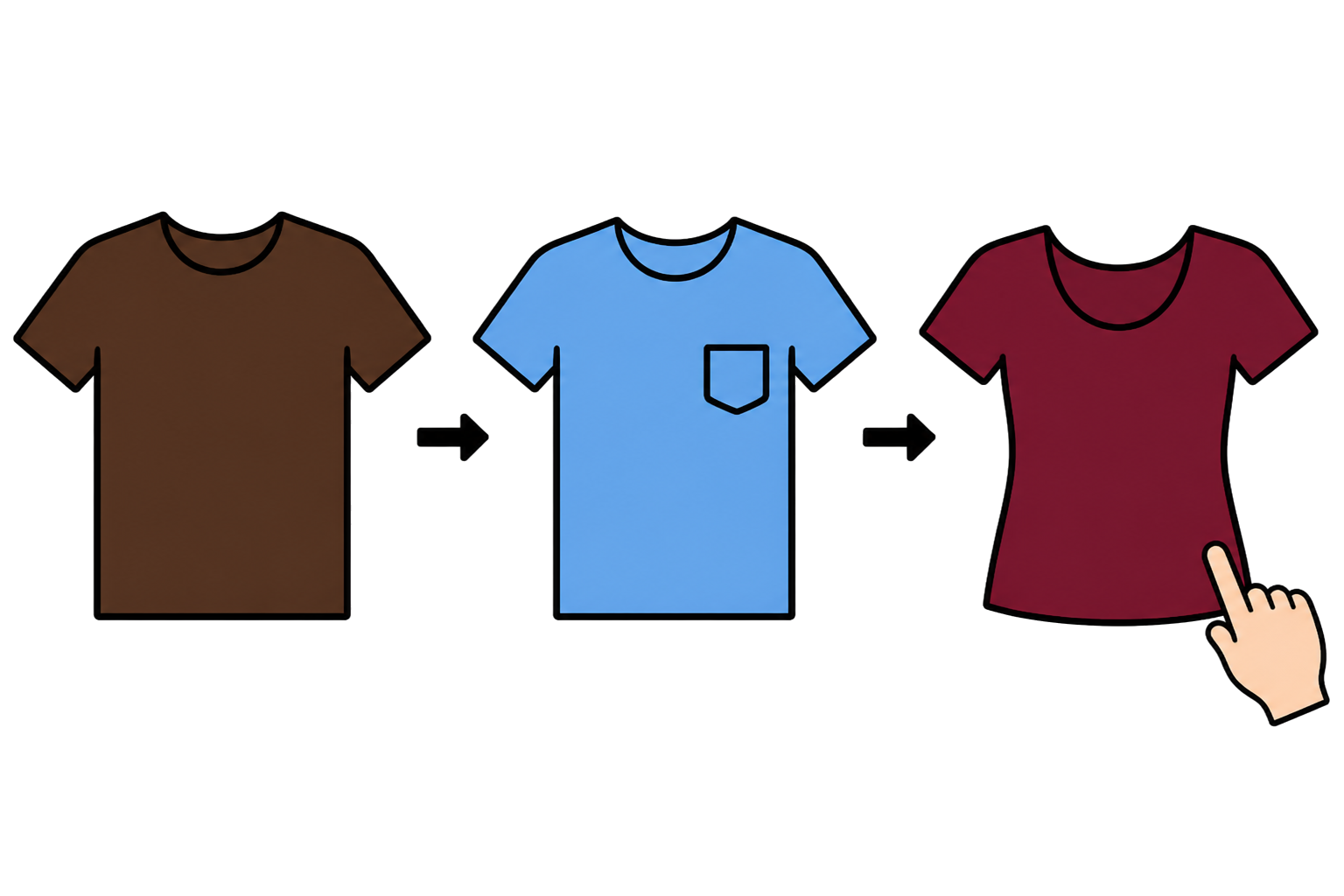
| A | ________ |
| B | ________ |
7.
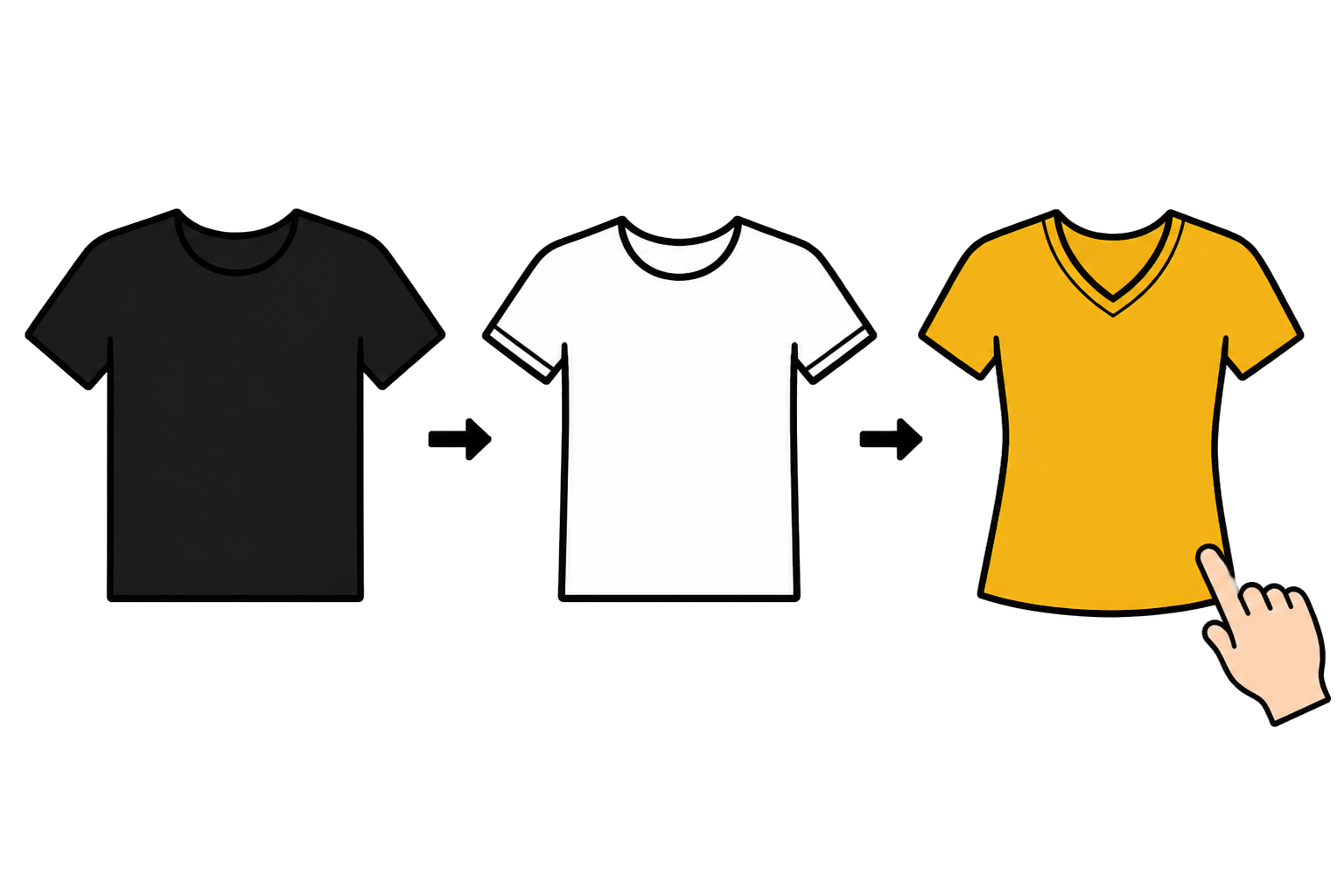
| A | ________ |
| B | ________ |
8.
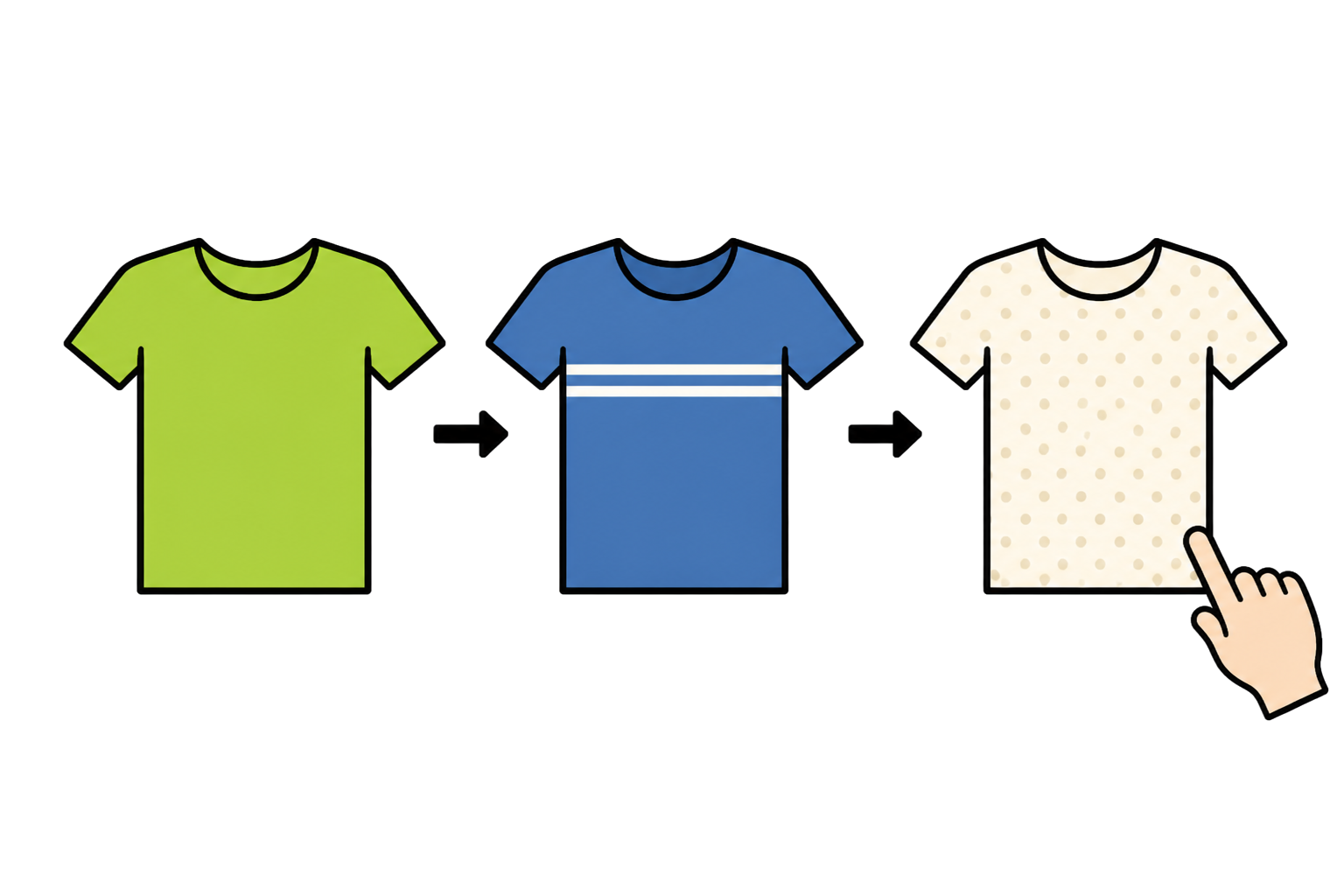
| A | ________ |
| B | ________ |
9.
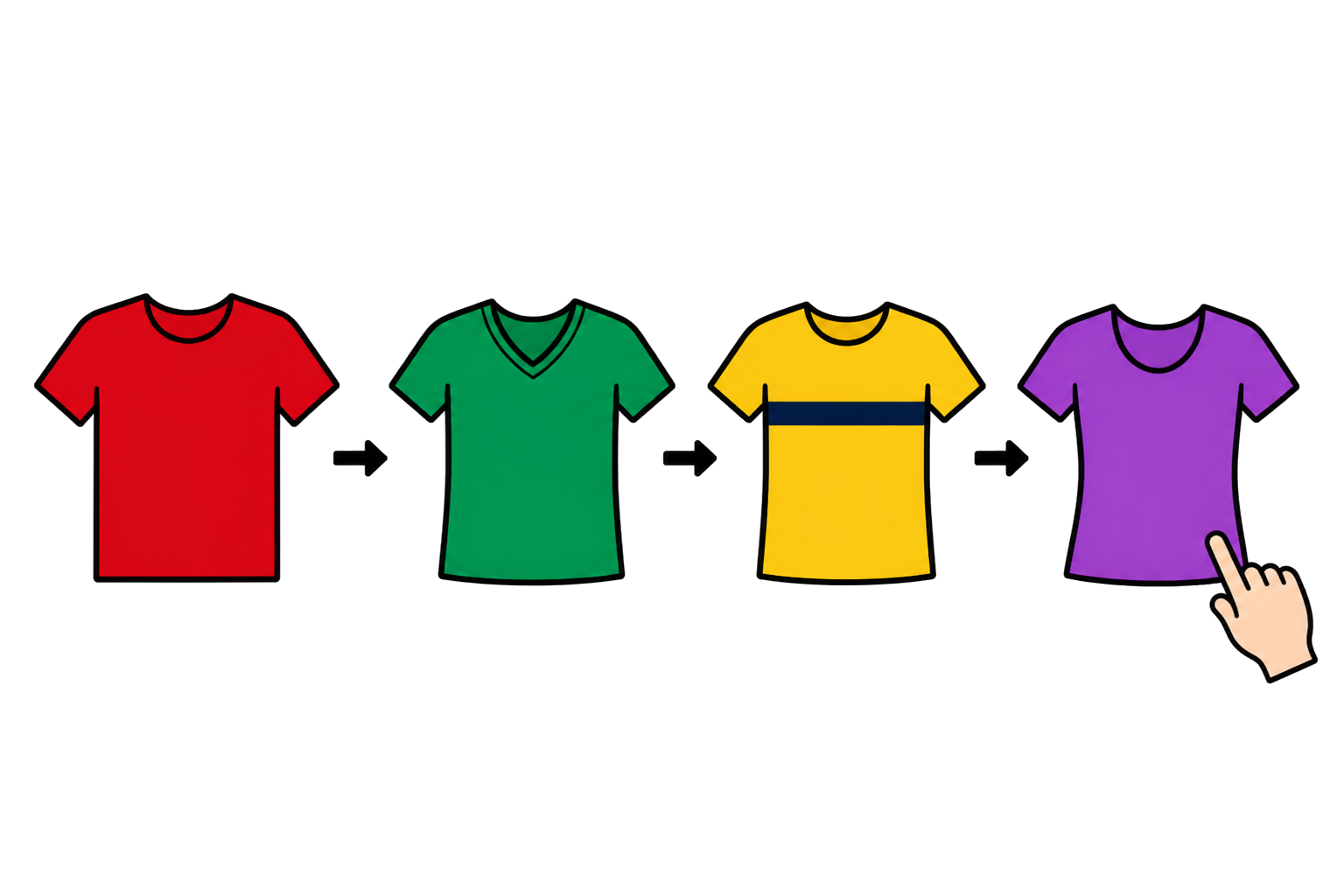
| A | ________ |
| B | ________ |
10.
| A | ________ |
| B | ________ |
11.
| A | ________ |
| B | ________ |
12.
| A | ________ |
| B | ________ |
Exercise 4
For each question, insert the word in brackets to the sentence. Then, check your answers and repeat after the recordings.
Example
呢件襯你呀。 (好)
ni1 gin6 can3 nei5 aa3. (hou2)
ni1 gin6 hou2 can3 nei5 aa3.
This one matches you very much.
1.
我鍾意呢個款呀。 (多啲)
ngo5 zung1 ji3 ni1 go3 fun2 aa3. (do1 di1)
2.
你着好好睇呀。 (得)
nei5 zoek3 hou2 hou2 tai2 aa3. (dak1)
3.
我覺得最尾呢兩件好呀。 (啲)
ngo5 gok3 dak1 zeoi3 mei5 ni1 loeng5 gin6 hou2 aa3. (di1)
4.
我鍾意第一件呀。 (最)
ngo5 zung1 ji3 dai6 jat1 gin6 aa3. (zeoi3)
5.
我覺得兩隻色好好睇呀。 (都)
ngo5 gok3 dak1 loeng5 zek3 sik1 hou2 hou2 tai2 aa3. (dou1)
6.
我覺得呢件靚另外嗰啲呀。 (過)
ngo5 gok3 dak1 ni1 gin6 leng3 ling6 ngoi6 go2 di1 aa3. (gwo3)
7.
你着好似唔係幾靚噉呀。 (得)
nei5 zoek3 hou2 ci5 m4 hai6 gei2 leng3 gam2 aa3. (dak1)
8.
我覺得最後呢件啱你頭嗰一件呀。 (多過)
ngo5 gok3 dak1 zeoi3 hau6 ni1 gin6 ngaam1 nei5 tau4 go2 jat1 gin6 aa3. (do1 gwo3)
9.
我覺得上一件啱你呀。 (最)
ngo5 gok3 dak1 soeng6 jat1 gin6 ngaam1 nei5 aa3. (zeoi3)
10.
我覺得全部唔係好襯你呀。 (都)
ngo5 gok3 dak1 cyun4 bou6 m4 hai6 hou2 can3 nei5 aa3. (dou1)
11.
我鍾意呢件另一件呀。 (多過)
ngo5 zung1 ji3 ni1 gin6 ling6 jat1 gin6 aa3. (do1 gwo3)
12.
我覺得另外嗰隻色襯你呀。 (多啲)
ngo5 gok3 dak1 ling6 ngoi6 go2 zek3 sik1 can3 nei5 aa3. (do1 di1)
Activities
Activity 1
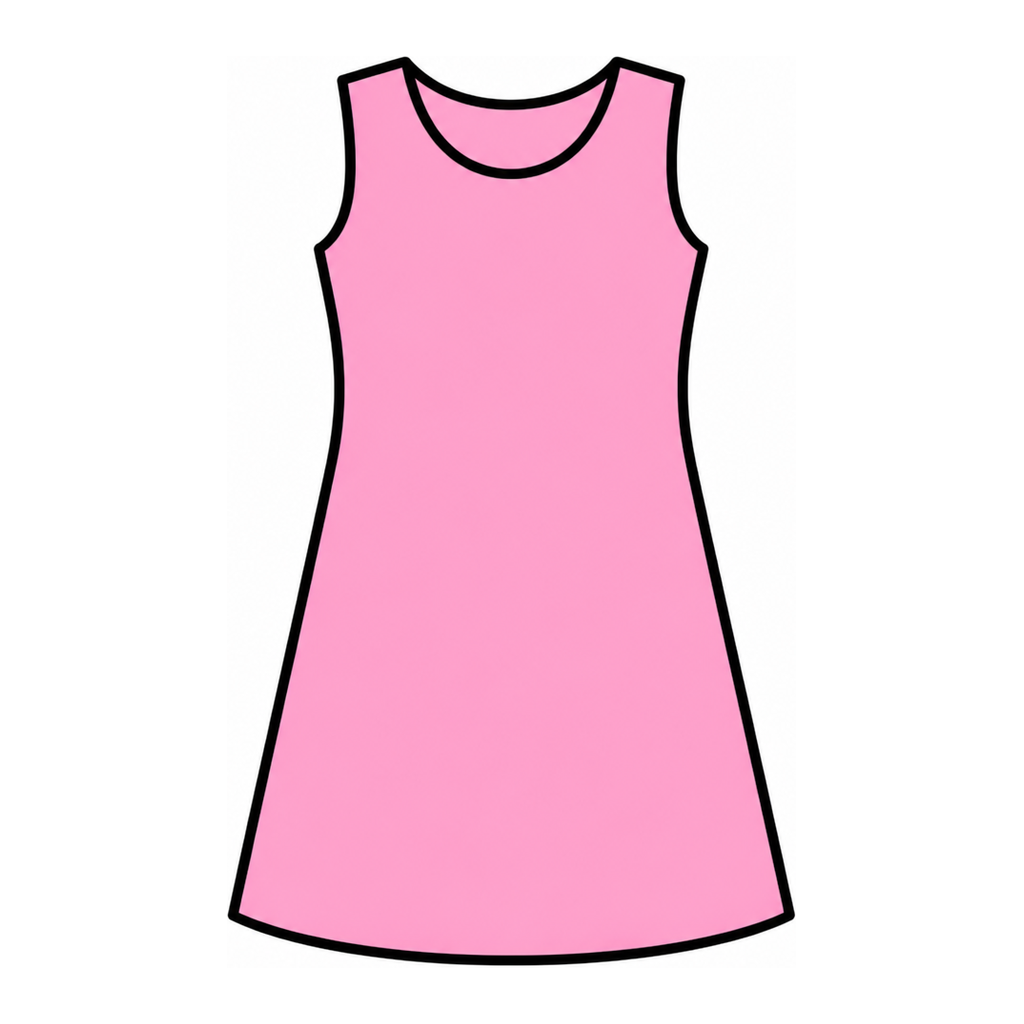
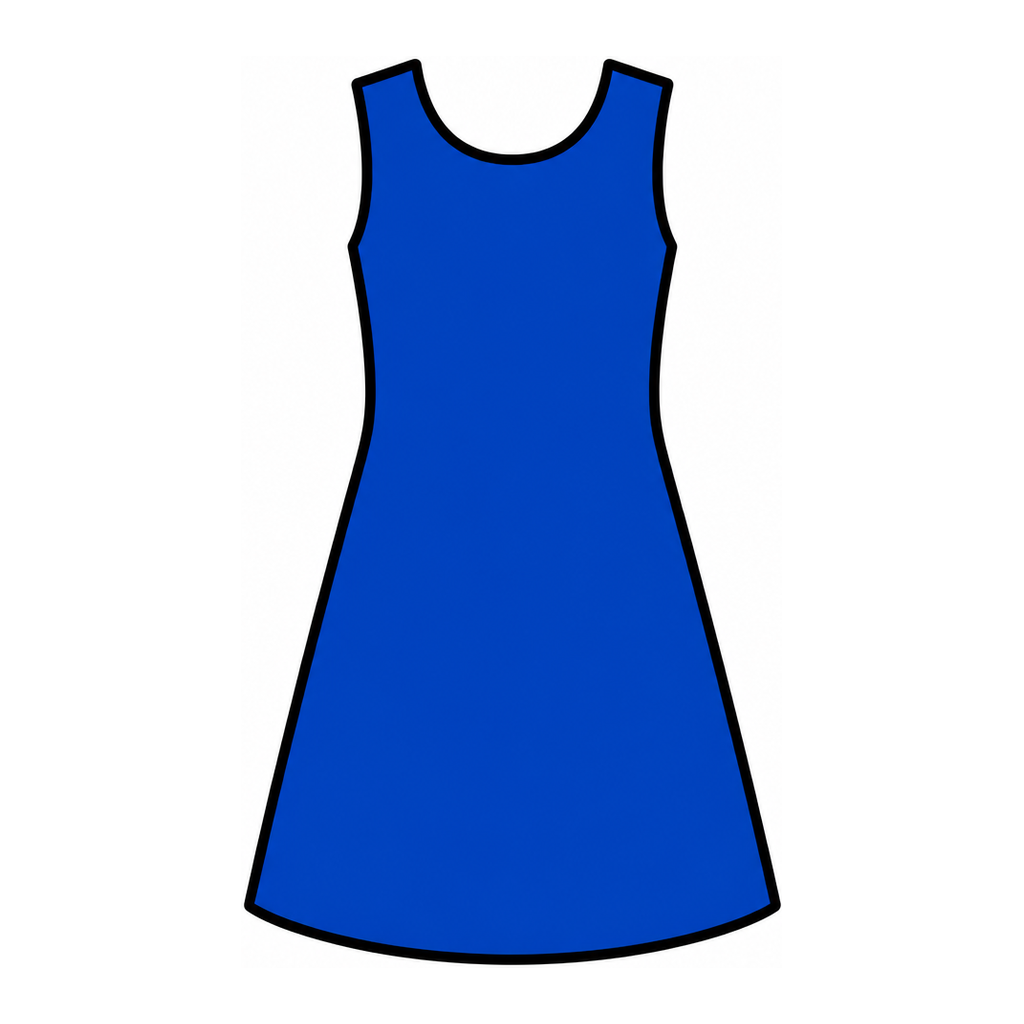
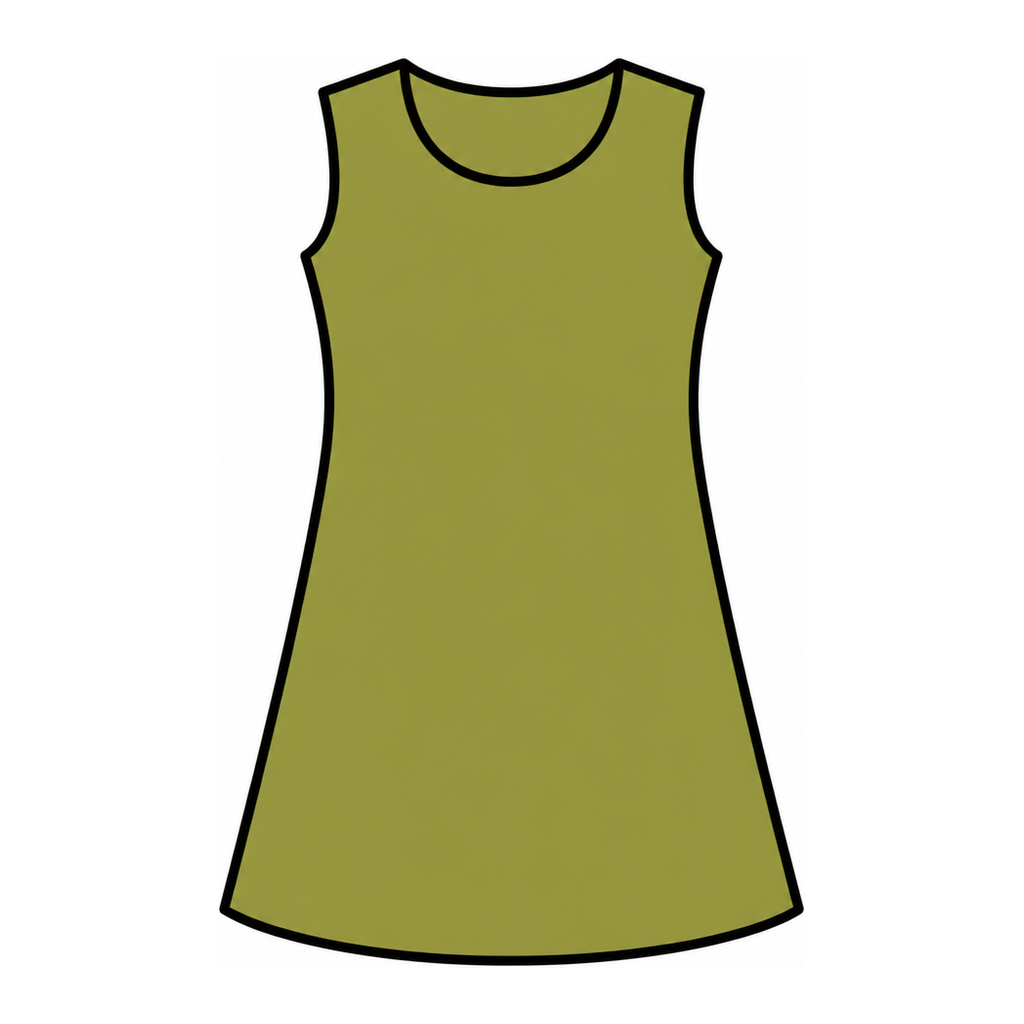
Listen to three conversations. In each conversation, one speaker will try on different clothing items. Match each description to the correct item. Then, put ✔️ to the items the speaker will buy and ❌ to the items they won’t buy.
Conversation 1
| 麻麻哋 maa4 maa2 dei2 | |
| 啲cutting有少少怪 di1 kat1 ting4 jau5 siu2 siu2 gwaai3 | |
| 着得好好睇 zoek3 dak1 hou2 hou2 tai2 | |
| 隻色幾靚 zek3 sik1 gei2 leng3 |
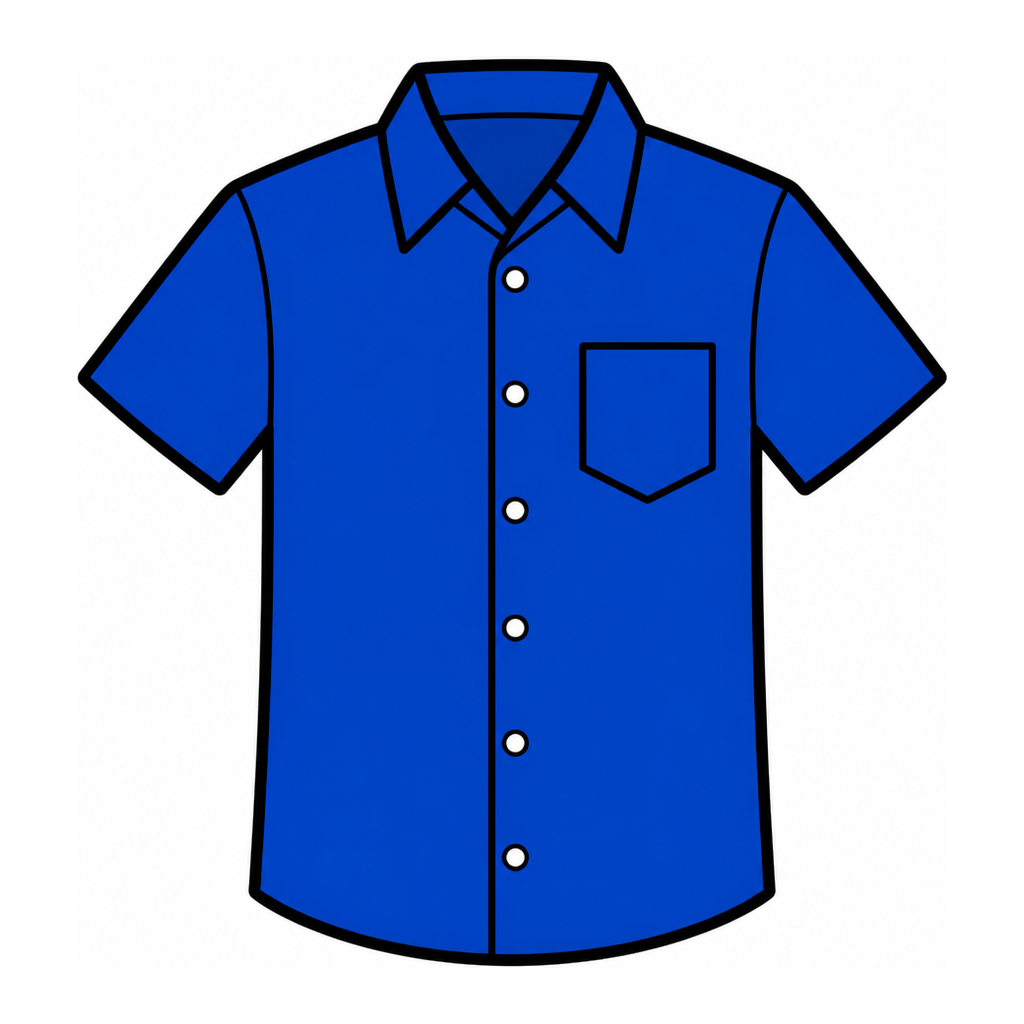
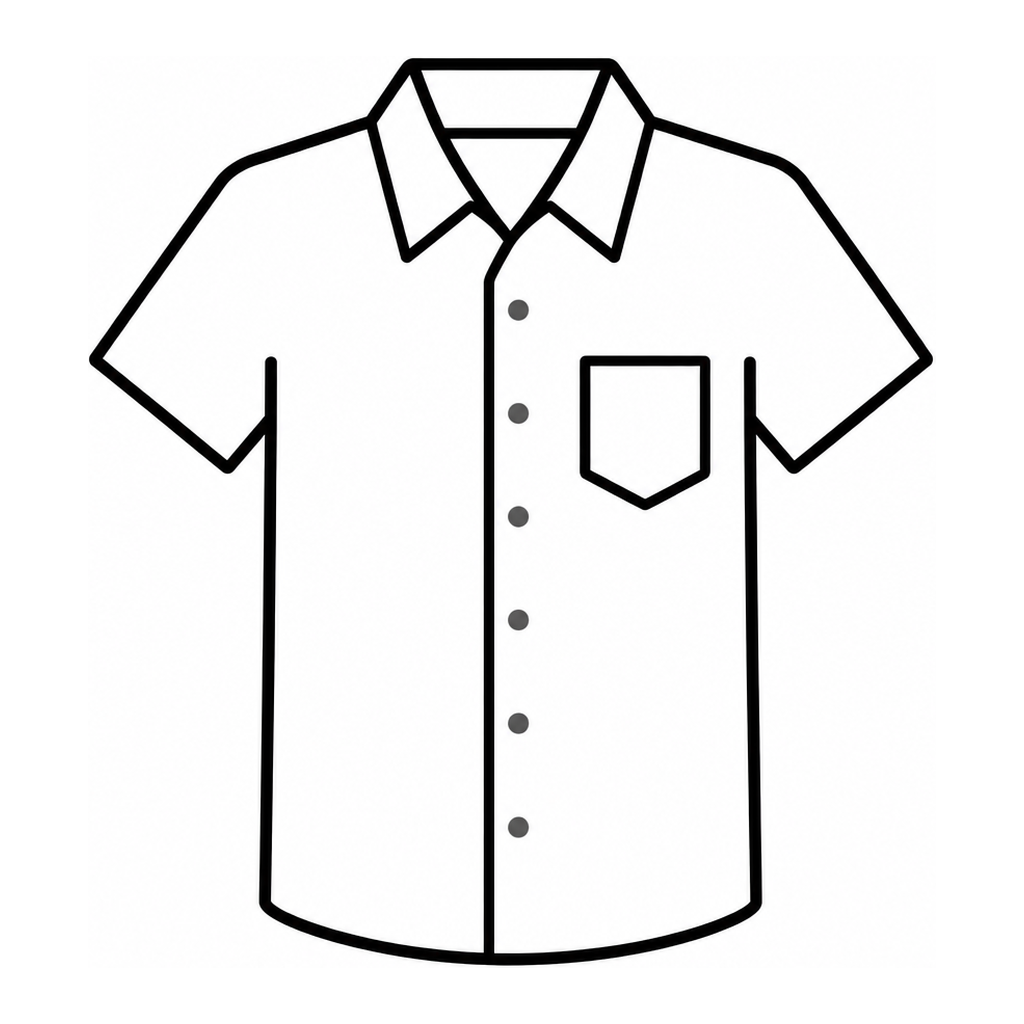
⭐ A tries from the leftmost item to the rightmost item.
| A | |
| B | |
| A | |
A few moments later… | |
| A | |
| B | |
| A | |
| B | |
A few moments later… | |
| A | |
| B | |
| A | |
| B |
Conversation 2
| 有少少怪 jau5 siu2 siu2 gwaai3 | |
| 有啲核突 jau5 di1 wat6 dat6 | |
| 唔係好襯你 m4 hai6 hou2 can3 nei5 |
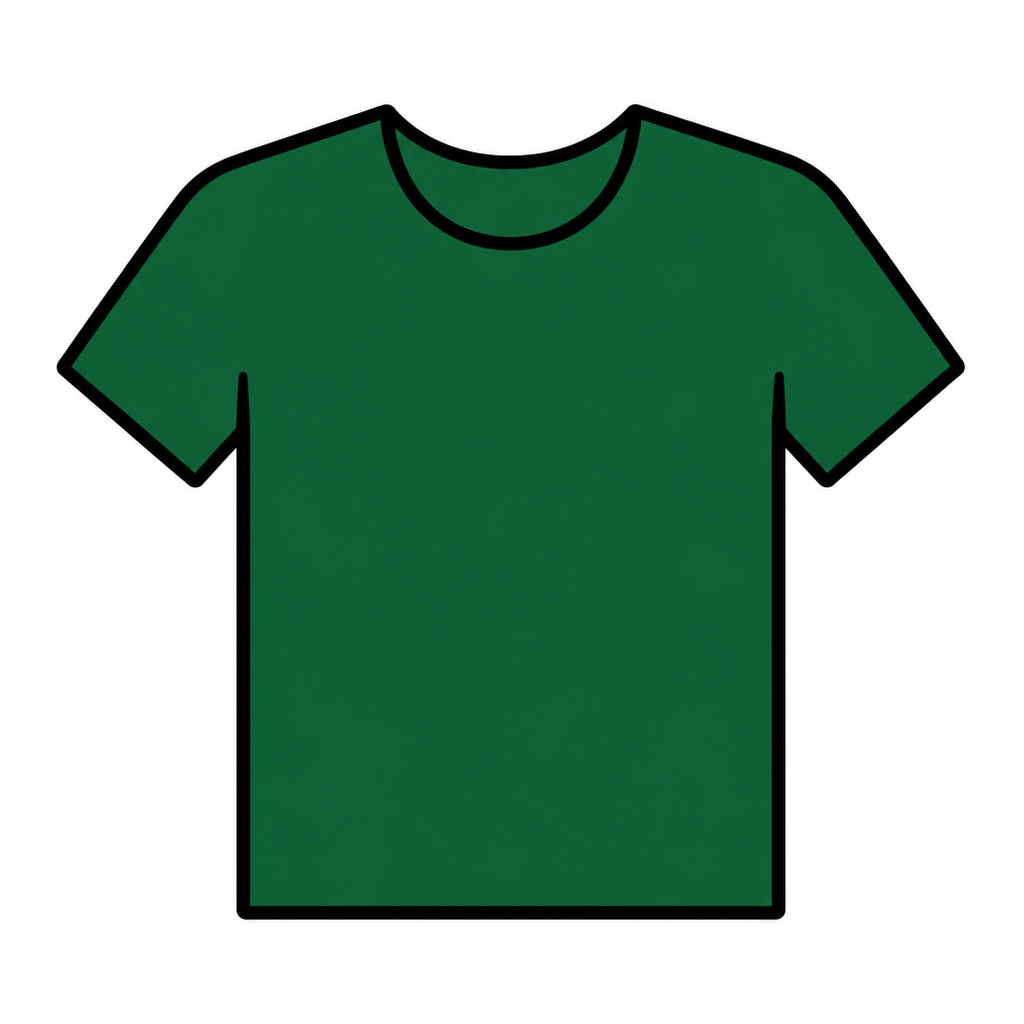
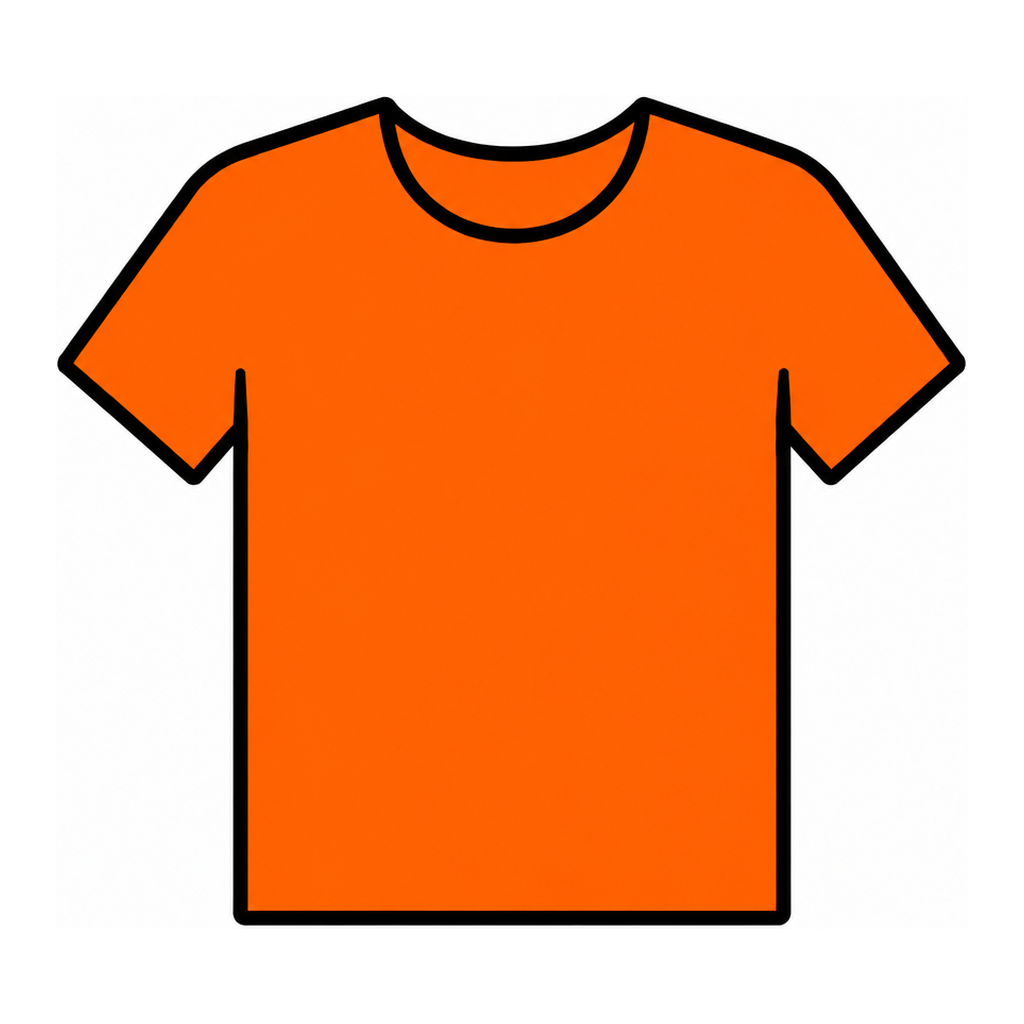
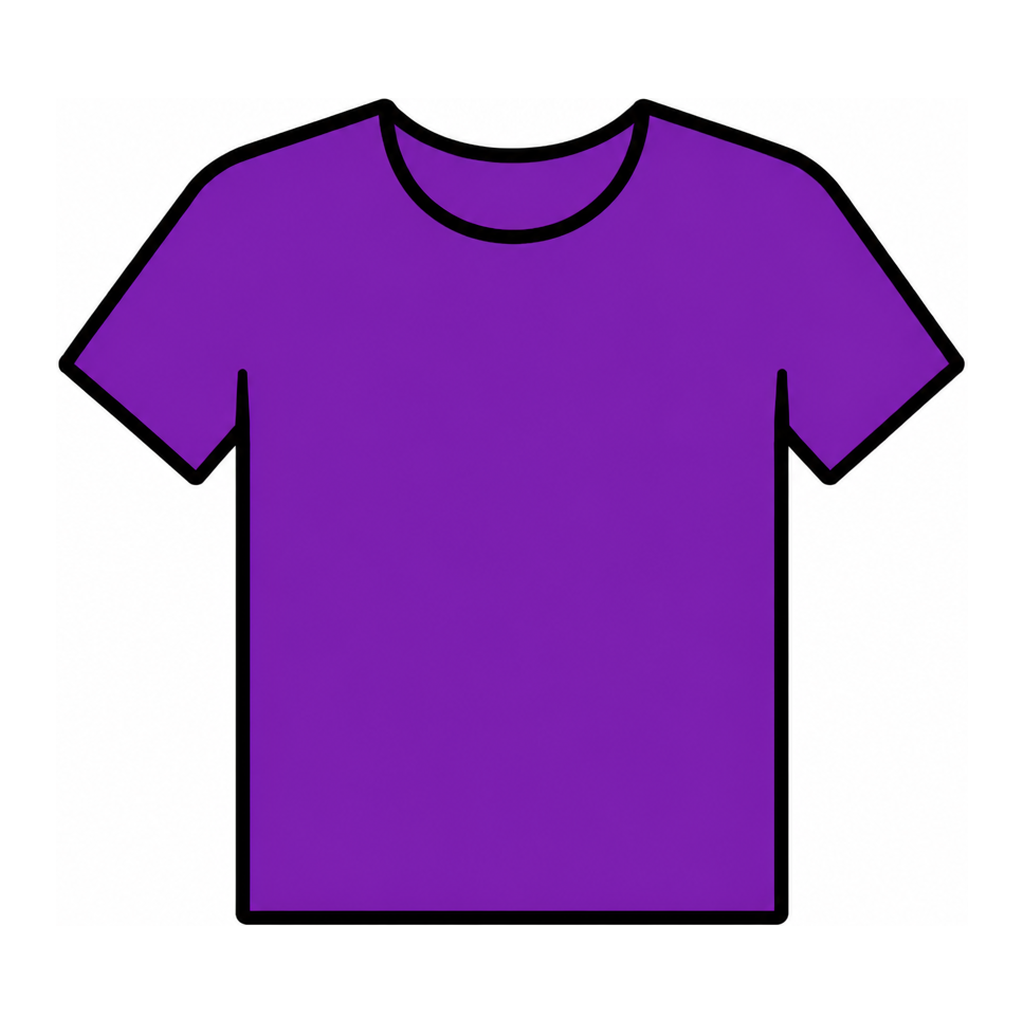
| A | |
| B | |
A few moments later… | |
| A | |
| B | |
| A | |
| B | |
| A | |
A few moments later… | |
| B | |
| A | |
A few moments later… | |
| A | |
| B | |
| A | |
A few moments later… | |
| A | |
| B | |
| A | |
| B | |
| A |
Conversation 3
| 隻色好靚 zek3 sik1 hou2 leng3 | |
| 唔係幾啱你 m4 hai6 gei2 ngaam1 nei5 | |
| 啲cutting好好 di1 kat1 ting4 hou2 hou2 | |
| 隻色有少少核突 zek3 sik1 jau5 siu2 siu2 wat6 dat6 | |
| 好舒服 hou2 syu1 fuk6 | |
| 有少少窄 jau5 siu2 siu2 zaak3 |
| A | |
| B | |
A few moments later… | |
| A | |
| B | |
| A | |
| B | |
A few moments later… | |
| A | |
| B | |
| A | |
| B | |
A few moments later… | |
| A | |
| B | |
| A | |
| B | |
| A | |
| B | |
| A | |
| B |
Transcripts with Translation
Conversation 1
| A | 我想試下呢兩件衫呀。 ngo5 soeng2 si3 haa5 ni1 loeng5 gin6 saam1 aa3. I want to have a try of these two tops. |
| B | 我幫你拎住個袋吖,試身室喺嗰邊呀。 ngo5 bong1 nei5 ling1 zyu6 go3 doi2 aa1, si3 san1 sat1 hai2 go2 bin6 aa3. Let me hold the bag for you. The fitting room is on that side. |
| A | 唔該晒。 m4 goi1 saai3. Thank you so much. |
A few moments later… | |
| A | 你覺得呢件衫點呀? nei5 gok3 dak1 ni1 gin6 saam1 dim2 aa3? What do you think about this top? |
| B | 你着得好好睇呀,同埋呢隻色幾靚呀。 nei5 zoek3 dak1 hou2 hou2 tai2 aa3, tung4 maai4 ni1 zek3 sik1 gei2 leng3 aa3. You wear it very “nice-looking-ly”. And this color is quite beautiful. |
| A | 我試埋另外嗰件先。 ngo5 si3 maai4 ling6 ngoi6 go2 gin6 sin1. I will try that other one as well first. |
| B | 好呀。 hou2 aa3. Good. [= Okay.] |
A few moments later… | |
| A | 你覺得呢件定上一件好啲呀? nei5 gok3 dak1 ni1 gin6 ding6 soeng6 jat1 gin6 hou2 di1 aa3? Do you think this one or the last one is better? |
| B | 我覺得上一件好過呢件,呢件麻麻哋,啲cutting好似有少少怪噉呀。 ngo5 gok3 dak1 soeng6 jat1 gin6 hou2 gwo3 ni1 gin6, ni1 gin6 maa4 maa2 dei2, di1 kat1 ting4 hou2 ci5 jau5 siu2 siu2 gwaai3 gam2 aa3. I think the last one is better than this one. This one is so-so. The cut seems a little bit strange. |
| A | 噉就買上一件啦,我換返衫先。 gam2 zau6 maai5 soeng6 jat1 gin6 laa1, ngo5 wun6 faan1 saam1 sin1. Then, let me buy the last one. I will change back [my] clothes first. |
| B | 好呀。 hou2 aa3. Good. [= Okay.] |
Conversation 2
| A | 我想試下呢件T恤呀。 ngo5 soeng2 si3 haa5 ni1 gin6 ti1 seot1 aa3. I want to have a try of this T-shirt. |
| B | 好呀,噉我哋去試身室啦。 hou2 aa3, gam2 ngo5 dei6 heoi3 si3 san1 sat1 laa1. Good. [= Sure.] Then, let’s go to the fitting room. |
A few moments later… | |
| A | 你覺得點呀? nei5 gok3 dak1 dim2 aa3? What do you think? |
| B | 啲cutting好好呀,但係隻色好似唔係好襯你噉呀。 di1 kat1 ting4 hou2 hou2 aa3, daan6 hai6 zek3 sik1 hou2 ci5 m4 hai6 hou2 can3 nei5 gam2 aa3. The cut is very good, but it seems that the color doesn’t match you very much. |
| A | 你可唔可以拎埋另外啲色俾我試下呀? nei5 ho2 m4 ho2 ji5 ling1 maai4 ling6 ngoi6 di1 sik1 bei2 ngo5 si3 haa5 aa3? Can you take the other colors to me to have a try as well? |
| B | 好呀,你試緊咩碼呀? hou2 aa3, nei5 si3 gan2 me1 maa5 aa3? Good. [= Sure.] What size are you trying? |
| A | 我試緊細碼呀。 ngo5 si3 gan2 sai3 maa5 aa3. I am trying small size. |
A few moments later… | |
| B | 嗱,呢個款仲有橙色同紫色,你試下吖。 naa4, ni1 go3 fun2 zung6 jau5 caang2 sik1 tung4 zi2 sik1, nei5 si3 haa5 aa1. Here you go. This design has orange and purple in addition. Have a try. |
| A | 唔該晒。 m4 goi1 saai3. Thank you so much. |
A few moments later… | |
| A | 你覺得橙色點呀? nei5 gok3 dak1 caang2 sik1 dim2 aa3? What do you think about orange? |
| B | 橙色好似有啲核突噉呀。 caang2 sik1 hou2 ci5 jau5 di1 wat6 dat6 gam2 aa3. Orange seems a bit ugly. |
| A | 噉我試埋紫色先。 gam2 ngo5 si3 maai4 zi2 sik1 sin1. Then, I will try purple as well first. |
A few moments later… | |
| A | 紫色呢?你覺得點呀? zi2 sik1 ne1? nei5 gok3 dak1 dim2 aa3? How about purple? What do you think? |
| B | 紫色都好似有少少怪噉,我覺得全部色都麻麻哋呀。 zi2 sik1 dou1 hou2 ci5 jau5 siu2 siu2 gwaai3 gam2, ngo5 gok3 dak1 cyun4 bou6 sik1 dou1 maa4 maa2 dei2 aa3. Purple seems a little bit strange too. I think all colors are so-so. |
| A | 係囉,全部色都好似唔係幾靚噉呀。 hai6 lo1, cyun4 bou6 sik1 dou1 hou2 ci5 m4 hai6 gei2 leng3 gam2 aa3. Yes, all colors seem not quite beautiful. |
| B | 不如睇下另外啲款吖。 bat1 jyu4 tai2 haa5 ling6 ngoi6 di1 fun2 aa1. Why don’t we have a look at other designs? |
| A | 好呀,我換返衫先。 hou2 aa3, ngo5 wun6 faan1 saam1 sin1. Good. [= Okay.] I will change back [my] clothes first. |
Conversation 3
| A | 噉就試呢三條啦。 gam2 zau6 si3 ni1 saam1 tiu4 laa1. Then, let me try these three. |
| B | 好呀,試身室喺嗰邊呀。 hou2 aa3, si3 san1 sat1 hai2 go2 bin6 aa3. Good. [= Okay.] The fitting room is on that side. |
A few moments later… | |
| A | 呢個size啱啱好,好舒服呀。你覺得呢條點呀? ni1 go3 saai1 si2 ngaam1 ngaam1 hou2, hou2 syu1 fuk6 aa3. nei5 gok3 dak1 ni1 tiu4 dim2 aa3? This size is just right. It is very comfortable. What do you think about this one? |
| B | 幾好睇呀,同埋隻色好靚呀。 gei2 hou2 tai2 aa3, tung4 maai4 zek3 sik1 hou2 leng3 aa3. It is quite nice-looking. And the color is very beautiful. |
| A | 係囉,隻色好靚呀。我試下藍色嗰條先。 hai6 lo1, zek3 sik1 hou2 leng3 aa3. ngo5 si3 haa5 laam4 sik1 go2 tiu4 sin1. Yes, the color is very beautiful. I will have a try of the blue one first. |
| B | 好呀。 hou2 aa3. Good. [= Okay.] |
A few moments later… | |
| A | 你覺得藍色呢條點呀? nei5 gok3 dak1 laam4 sik1 ni1 tiu4 dim2 aa3? What do you think about this blue one? |
| B | 嘩,你着得好好睇呀,同埋啲cutting好好呀。 waa3, nei5 zoek3 dak1 hou2 hou2 tai2 aa3, tung4 maai4 di1 kat1 ting4 hou2 hou2 aa3. Wow, you wear it very “nice-looking-ly”. And the cut is very good. |
| A | 係囉,啲cutting好好呀,不過呢條好似有少少窄噉呀。我試埋最後嗰條先。 hai6 lo1, di1 kat1 ting4 hou2 hou2 aa3, bat1 gwo3 ni1 tiu4 hou2 ci5 jau5 siu2 siu2 zaak3 gam2 aa3. ngo5 si3 maai4 zeoi3 hau6 go2 tiu4 sin1. Yes, the cut is very good, but this one seems a little bit tight. I will try the last one as well first. |
| B | 好呀。 hou2 aa3. Good. [= Okay.] |
A few moments later… | |
| A | 你覺得最後呢條點呀? nei5 gok3 dak1 zeoi3 hau6 ni1 tiu4 dim2 aa3? What do you think about this last one? |
| B | 誒……呢條好似唔係幾啱你噉,同埋隻色好似有少少核突噉呀。 e6…… ni1 tiu4 hou2 ci5 m4 hai6 gei2 ngaam1 nei5 gam2, tung4 maai4 zek3 sik1 hou2 ci5 jau5 siu2 siu2 wat6 dat6 gam2 aa3. Hm… It seems that this one doesn’t quite suit you. And the color seems a little bit ugly. |
| A | 我都覺得呢條麻麻哋呀,噉你覺得第一條定藍色嗰條好啲呀? ngo5 dou1 gok3 dak1 ni1 tiu4 maa4 maa2 dei2 aa3, gam2 nei5 gok3 dak1 dai6 jat1 tiu4 ding6 laam4 sik1 go2 tiu4 hou2 di1 aa3? I think this one is so-so too. Then, do you think the first one or that blue one is better? |
| B | 我覺得兩條都好靚呀,不如兩條都買晒啦。 ngo5 gok3 dak1 loeng5 tiu4 dou1 hou2 leng3 aa3, bat1 jyu4 loeng5 tiu4 dou1 maai5 saai3 laa1. I think both are very beautiful. Why don’t you buy both? |
| A | 我都想呀,不過冇錢呀。 ngo5 dou1 soeng2 aa3, bat1 gwo3 mou5 cin2 aa3. I want to too, but I don’t have money. |
| B | 噉不如買藍色嗰條啦,我覺得藍色嗰條特別過第一條呀。 gam2 bat1 jyu4 maai5 laam4 sik1 go2 tiu4 laa1, ngo5 gok3 dak1 laam4 sik1 go2 tiu4 dak6 bit6 gwo3 dai6 jat1 tiu4 aa3. Then, why don’t you buy that blue one? I think that blue one is more special than the first one. |
| A | 噉就買藍色嗰條啦,我換返衫先。 gam2 zau6 maai5 laam4 sik1 go2 tiu4 laa1, ngo5 wun6 faan1 saam1 sin1. Then, let me buy that blue one. I will change back [my] clothes first. |
| B | 好呀。 hou2 aa3. Good. [= Okay.] |
Activity 2
Form a pair. Each of you will go to an online clothing store and choose three items of the same type (e.g., three tops, three coats). In turn, show your items to your partner. Imagine you are trying on the items one by one in a store. Ask your partner for their comments on each item. Then, compare the items and decide which one to buy.
Here are some online clothing stores:
https://www.uniqlo.com.hk/
https://www.gu-global.com/hk/
https://www.adidas.com.hk/
https://www.nike.com.hk/