Print or Export
蟶子可以點煮呀?
sing3 zi2 ho2 ji5 dim2 zyu2 aa3?
sing3 zi2 ho2 ji5 dim2 zyu2 aa3?
Listen and Speak
Step 1
Say the names for the seafood below. Then, listen and repeat after the recordings.
| 1. | 2. | 3. | 4. | 5. | 6. |
 | 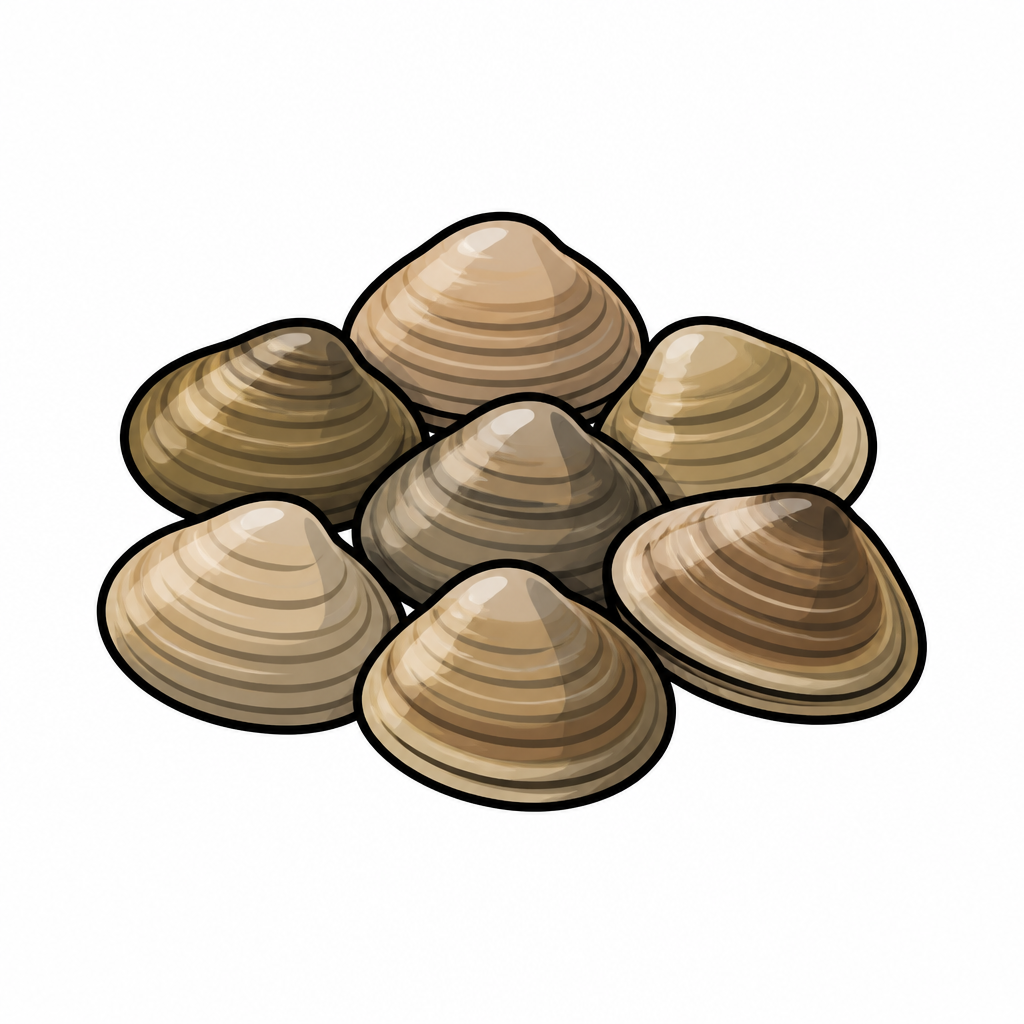 | 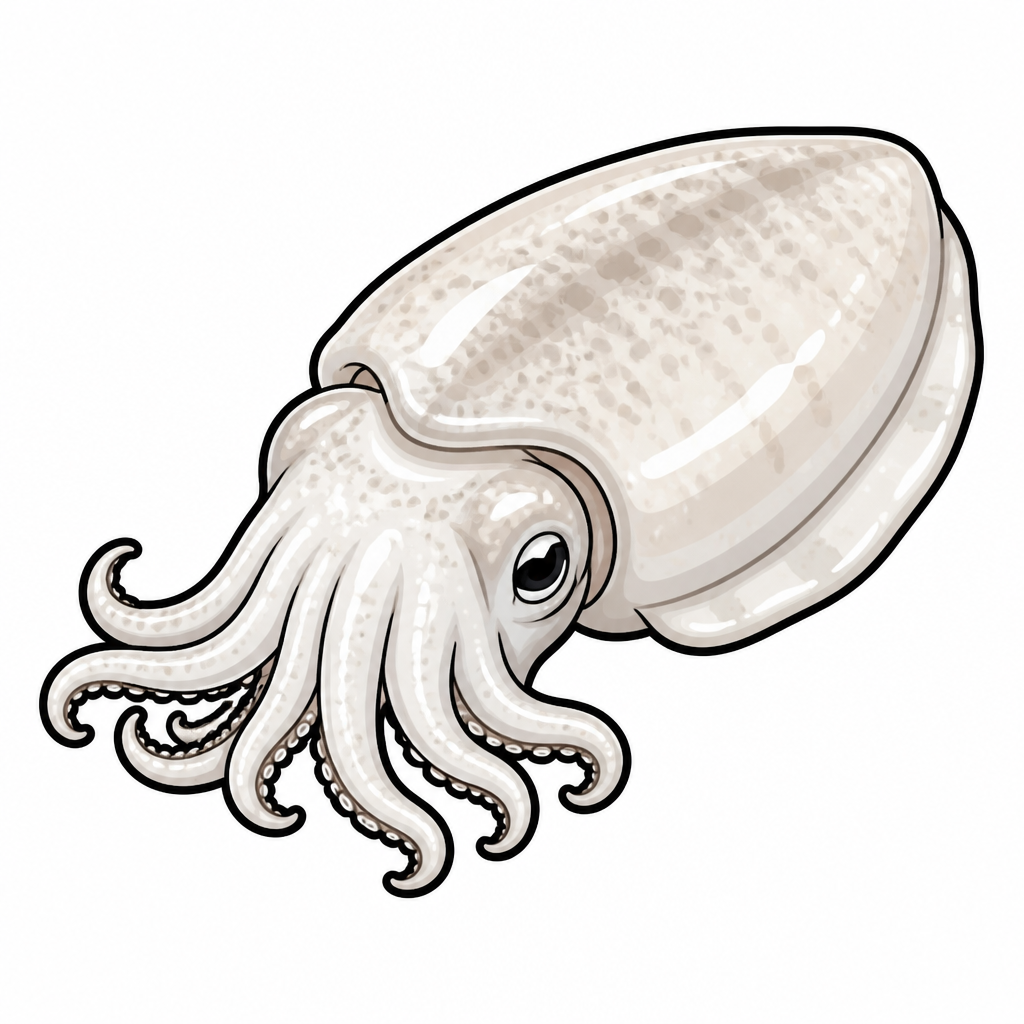 | 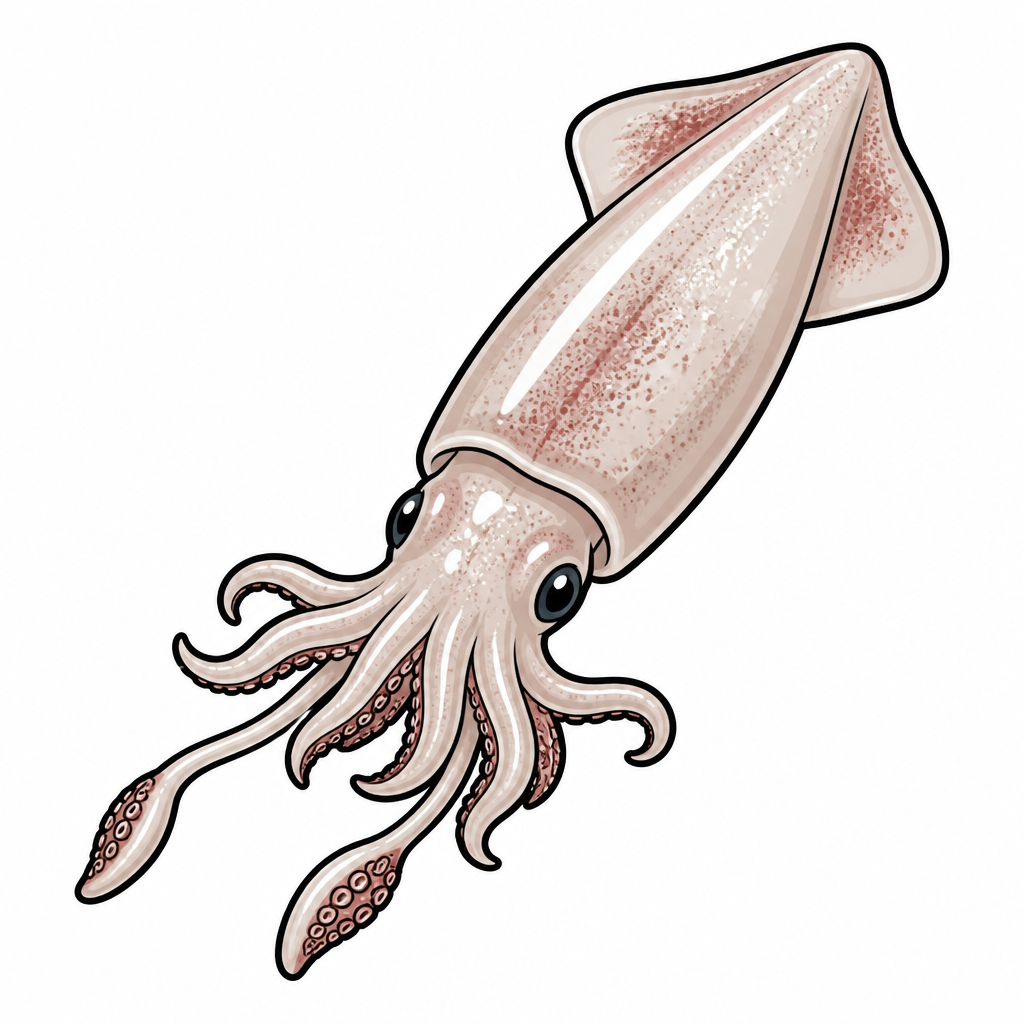 | 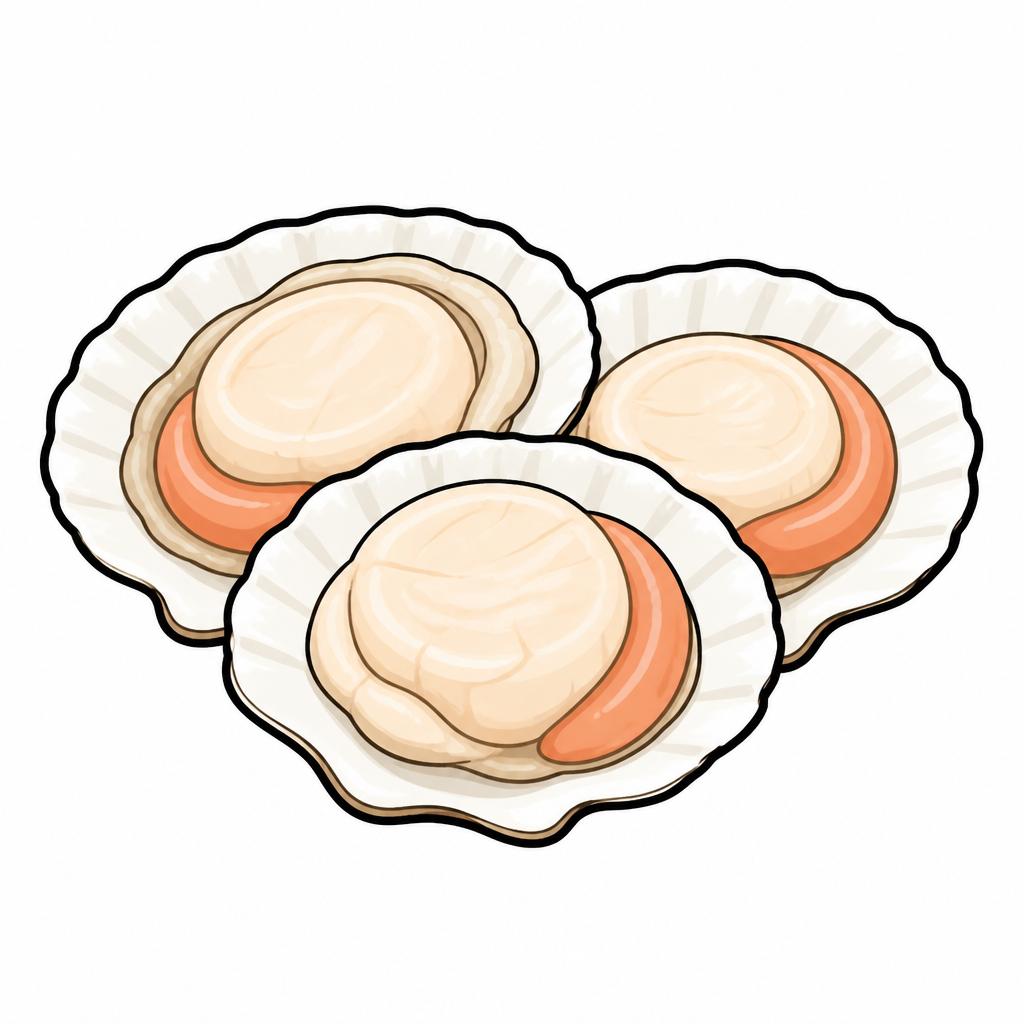 | 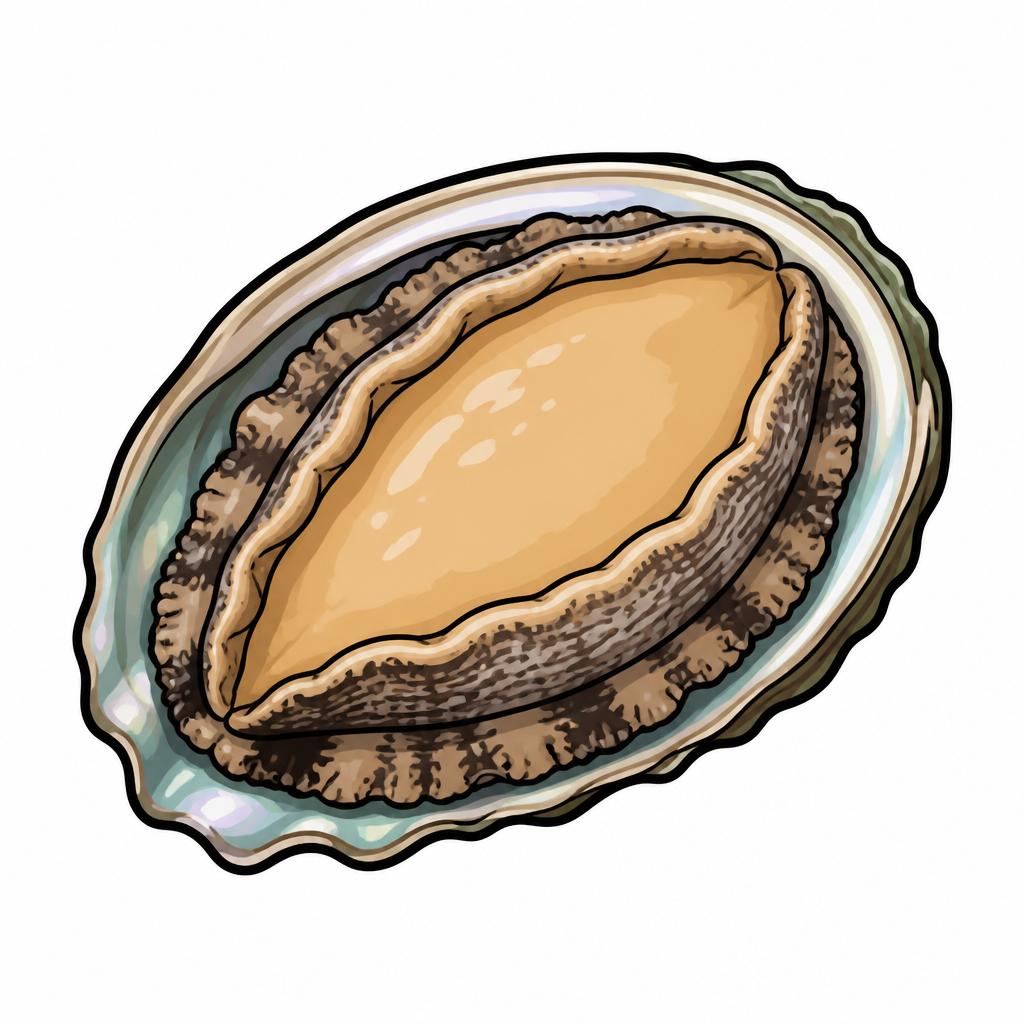 |
| ________ | ________ | ________ | ________ | ________ | ________ |
Step 2
Listen to a conversation. A customer will buy seafood at a seafood stall. Write down the seafood they mentioned.
________| 客 haak3 | |
| 檔主 dong3 zyu2 | |
| 客 haak3 | |
| 檔主 dong3 zyu2 | |
| 客 haak3 | |
| 檔主 dong3 zyu2 | |
| 客 haak3 |
Step 3
Listen to the conversation again. Read the script while listening. Check your answers.
| 客 haak3 | 今日有冇墨魚呀? gam1 jat6 jau5 mou5 mak6 jyu4 aa3? Are there cuttlefish today? |
| 檔主 dong3 zyu2 | 墨魚今日賣晒喇。 mak6 jyu4 gam1 jat6 maai6 saai3 laa3. We have already sold all the cuttlefish today. |
| 客 haak3 | 噉今日有咩靚嘅海鮮呀? gam2 gam1 jat6 jau5 me1 leng3 ge3 hoi2 sin1 aa3? Then, what seafood of good quality are there today? |
| 檔主 dong3 zyu2 | 今日啲魷魚好靚呀。 gam1 jat6 di1 jau4 jyu2 hou2 leng3 aa3. Today’s squid is of very good quality. |
| 客 haak3 | 魷魚點賣呀? jau4 jyu2 dim2 maai6 aa3? How is squid sold? |
| 檔主 dong3 zyu2 | 魷魚四十蚊份。 jau4 jyu2 sei3 sap6 man1 fan6. Squid is $40 for one set. |
| 客 haak3 | 俾一份我吖唔該。 bei2 jat1 fan6 ngo5 aa1 m4 goi1. Give one set to me, please. |
Step 4
Listen and repeat.
Step 5
Replace the highlighted words in the script with the information below to make your conversations. Come up with the quantity on your own.
| | | | | |
| 青口 ceng1 hau2 | 蜆 hin2 | 墨魚 mak6 jyu4 | 魷魚 jau4 jyu2 | 扇貝 sin3 bui3 | 鮑魚 baau1 jyu4 |
| $25 / 1 catty | $30 / 1 catty | $110 / 1 pc | $40 / 1 set | $20 / 1 pc | $60 / 1 set |
Grammar and Vocabulary
In the Grammar and Vocabulary section, you will learn:
- The Classifiers 種 zung2 (‘type’) and 隻 zek3 (‘type’)
- The Expression 多唔多 do1 m4 do1 (‘Does … have many / much … ?’)
- The Verbal Particle 完 jyun4 (‘finished’)
- The Sentence Particle 話 waa2 (Repetition)
- The Conjunction 一係 jat1 hai6 (‘either … or …’)
- Vocabulary List
- Vocabulary: Seasoning for Fish and Seafood
44.1 The Classifiers 種 zung2 (‘type’) and 隻 zek3 (‘type’)
The classifiers 種 zung2 and 隻 zek3 mean ‘type’. We can use them with the demonstratives 呢 ni1 / nei1 (‘this’) and 嗰 go2 (‘that’) to mean ‘this type of …’ or ‘that type of …’. We can optionally omit the number 一 jat1.
| A: | 呢一種魚係咩魚嚟㗎? ni1 jat1 zung2 jyu2 hai6 me1 jyu2 lai4 gaa3? What fish is this type of fish? |
| B: | 呢一種魚係䱽魚嚟嘅。 ni1 jat1 zung2 jyu2 hai6 cong1 jyu2 lai4 ge3. This type of fish is pomfret. |
| A: | 嗰隻魚係咩魚嚟㗎? go2 zek3 jyu2 hai6 me1 jyu2 lai4 gaa3? What fish is that type of fish? |
| B: | 嗰隻魚係紅衫魚嚟嘅。 go2 zek3 jyu2 hai6 hung4 saam1 jyu2 lai4 ge3. That type of fish is golden thread fish. |
We sometimes omit the noun after 種 zung2 or 隻 zek3 if it is obvious in the context.
| A: | 呢一種 ni1 jat1 zung2 What fish is this type of fish? |
| B: | 呢一種 ni1 jat1 zung2 This type of fish is pomfret. |
| A: | 嗰隻 go2 zek3 What fish is that type of fish? |
| B: | 嗰隻 go2 zek3 That type of fish is golden thread fish. |
44.2 The Expression 多唔多 do1 m4 do1 (‘Does … have many / much … ?’)
In Grammar and Vocabulary 32.1, we learned that the word 多 do1 means ‘many, much’.
We can use the X-not-X construction to form the expression 多唔多 do1 m4 do1.
We use the expression 多唔多 do1 m4 do1 to form questions that ask if something has a lot of another thing. It functions like Does … have many / much …? in English (as in Does this type of fish have many bones?).
To answer the questions, we can give a long answer or a short answer.
We can also add a degree word before 多 do1 in the answers.
| A: | 呢種魚多唔多骨㗎? ni1 zung2 jyu2 do1 m4 do1 gwat1 gaa3? Does this type of fish have many bones? |
| B: | 呢種魚超多骨嘅。 ni1 zung2 jyu2 ciu1 do1 gwat1 ge3. This type of fish has super many bones. |
For negative answers, we can also use the expression 好少 hou2 siu2 (‘very few, very little’).
| A: | 呢種魚多唔多骨㗎? ni1 zung2 jyu2 do1 m4 do1 gwat1 gaa3? Does this type of fish have many bones? |
| B: | 呢種魚好少骨嘅。 ni1 zung2 jyu2 hou2 siu2 gwat1 ge3. This type of fish has very few bones. |
Note that we don’t usually use 有冇好多 jau5 mou5 hou2 do1 to ask ‘Does … have many / much …?’. As we have learned above, we will use 多唔多 do1 m4 do1 for that.
❌ 呢種魚有冇好多骨㗎?
ni1 zung2 jyu2 jau5 mou5 hou2 do1 gwat1 gaa3?
✔️ 呢種魚多唔多骨㗎?
ni1 zung2 jyu2 do1 m4 do1 gwat1 gaa3?
Does this type of fish have many bones?
44.3 The Verbal Particle 完 jyun4 (‘finished’)
The word 完 jyun4 means ‘to be finished’ or ‘to come to an end’ as a verb. We can also use 完 jyun4 as a verbal particle to mean ‘finished’. The verbal particle 完 jyun4 indicates that an action has been finished and emphasizes that the action has come to an end. We use 完 jyun4 when the end of the action is important in the context. For example, we use 完 jyun4 when we want to indicate that an action should be done after the end of another action.
蒸完之後,加啲蔥絲同豉油。
zing1 jyun4 zi1 hau6, gaa1 di1 cung1 si1 tung4 si6 jau4.
After you have finished steaming [the fish], add some shredded spring onion and soy sauce.
醃完之後,搽啲生粉。
jip3 jyun4 zi1 hau6, caa4 di1 saang1 fan2.
After you have finished marinating [the fish], apply some starch.
完 jyun4 may look similar to the aspect particle 咗 zo2 (Grammar and Vocabulary 13.4) and the verbal particle 好 hou2 (Grammar and Vocabulary 29.1), but there are some differences among these three particles:
The meaning of the three sentences above may look similar to each other. However, in some other situations, the meaning can differ significantly when a different particle is used. We will see more examples in later books.
44.4 The Sentence Particle 話 waa2 (Repetition)
When we talk to another person, we sometimes can’t catch everything they are saying and will miss some of the information. We can use the sentence particle 話 waa2 to form a question that asks them to repeat the information we have missed. To form the question, we will repeat what the other person has said, but replace the information we have missed with a question word (e.g., 乜嘢 mat1 je5 / 咩 me1 ‘what’, 幾多錢 gei2 do1 cin2 / 幾錢 gei2 cin2 ‘how much’).
| A: | 呢啲係咩嚟㗎? ni1 di1 hai6 me1 lai4 gaa3? What are these? |
| B: | 蟶子嚟嘅。 sing3 zi2 lai4 ge3. These are razor clams. |
| A: | 咩嚟嘅話? me1 lai4 ge3 waa2? Pardon? What are these? |
| B: | 蟶子嚟嘅。 sing3 zi2 lai4 ge3. These are razor clams. |
| A: | 大眼雞點賣呀? daai6 ngaan5 gai1 dim2 maai6 aa3? How is bigeye sold? |
| B: | 五蚊一両。 ng5 man1 jat1 loeng2. $5 for one tael. |
| A: | 幾錢一両話? gei2 cin2 jat1 loeng2 waa2? Pardon? How much for one tael? |
| B: | 五蚊一両。 ng5 man1 jat1 loeng2. $5 for one tael. |
If the information is the choice between two options, we can simply repeat the two options to form the question.
| A: | 大眼雞鹹水魚定淡水魚嚟㗎? daai6 ngaan5 gai1 haam4 seoi2 jyu2 ding6 taam5 seoi2 jyu2 lai4 gaa3? Is bigeye saltwater fish or freshwater fish? |
| B: | 大眼雞鹹水魚嚟嘅。 daai6 ngaan5 gai1 haam4 seoi2 jyu2 lai4 ge3. Bigeye is saltwater fish. |
| A: | 鹹水魚定淡水魚話? haam4 seoi2 jyu2 ding6 taam5 seoi2 jyu2 waa2? Pardon? Saltwater fish or freshwater fish? |
| B: | 鹹水魚嚟嘅。 haam4 seoi2 jyu2 lai4 ge3. It is saltwater fish. |
If we don’t catch anything and are totally lost 🤯, we can say 乜嘢話 mat1 je5 waa2 / 咩話 me1 waa2.
| A: | 使唔使幫你劏埋呀? sai2 m4 sai2 bong1 nei5 tong1 maai4 aa3? Do I need to cut and clean it [the fish] for you as well? |
| B: | 咩話? me1 waa2? Pardon? What? |
| A: | 使唔使幫你劏埋呀? sai2 m4 sai2 bong1 nei5 tong1 maai4 aa3? Do I need to cut and clean it for you as well? |
| B: | 好呀,唔該。 hou2 aa3, m4 goi1. Good. [= Yes]. Thank you. |
44.5 The Conjunction 一係 jat1 hai6 (‘either … or …’)
The conjunction 一係 jat1 hai6 means ‘either … or’. We use it to indicate two options that we can choose between. We put 一係 jat1 hai6 before each option.
The options can be verb phrases.
The options can also be noun phrases.
In Grammar and Vocabulary 14.4, we learned to use the conjunction 就 zau6 to show contrast between things. We often put 就 zau6 after 一係 jat1 hai6 to show contrast.
44.6 Vocabulary List
44.7 Vocabulary: Seasoning for Fish and Seafood
Communication
In the Communication section, you will learn:
- Buying Fish and Seafood
Buying Fish and Seafood
When we walk close to a stall, the shopkeeper will usually ask what we want.
If we want to check whether an item is available, we can ask:
If the item is not available, we can ask for a recommendation.
If we want to know the price of an item, we can ask the following questions. We use the unit 両 loeng2 (‘tael’) for smaller fish and the unit 斤 gan1 (‘catty’) for bigger fish.
If we are not sure which unit to use, we can simply ask:
When we have decided which type of fish to buy, we can ask the shopkeeper to choose a good one for us. We use the classifier 條 tiu4 when buying whole fish and the classifier 舊 gau6 (‘piece’) when buying just a portion. To avoid repetition, we will only include 條 tiu4 in the following expressions. You can replace 條 tiu4 with 舊 gau6 when needed.
If we want to indicate the size we want, we can say:
If we don’t indicate the size we want, the shopkeeper may ask about it.
If we want to choose one on our own, we can say:
If we want a smaller one or a bigger one, we can say:
After we have chosen one to buy, the shopkeeper will usually ask if they need to cut and clean it for us.
If the shopkeeper doesn’t ask us about it, we can take the initiative and ask them to help.
The shopkeeper will often ask if we want anything else.
For some items, the shopkeeper will confirm the quantity with us.
Below are some other questions we can ask the shopkeeper.
If we don’t know a type of fish and want to know its name, we can ask:
For other seafood, we can ask:
If we want to check if a type of fish has many bones, we can ask:
If we want to check if a type of fish is saltwater fish or freshwater fish, we can ask:
If we are not sure which type of fish or seafood to buy, we can indicate what we want to make and ask for a recommendation.
If we want to know how to cook a type of fish or seafood, we can ask:
Here is an example of how to cook seafood:
If we can’t catch what the shopkeeper is saying, we can say 咩話 me1 waa2 to ask them to repeat.
Exercises
Exercise 1
Complete the descriptions.
1.
The classifiers ________ and ________ mean ‘type’.
2.
The conjunction ________ means ‘either … or’.
3.
When talking to another person, we can use the sentence particle ________ to form a question that asks them to repeat the information we have missed.
Exercise 2
Follow the example to complete the conversations. Then, check your answers and repeat after the recordings.
Example
bigeye ($4 / 1 tael)
| A | 大眼雞幾錢一両呀? daai6 ngaan5 gai1 gei2 cin2 jat1 loeng2 aa3? How much is one tael of bigeye? |
| B | 大眼雞四蚊一両。 daai6 ngaan5 gai1 sei3 man1 jat1 loeng2. Bigeye is $4 for one tael. |
1.
shrimp ($70 / 1 catty)
| A | ________ |
| B | ________ |
2.
crab ($55 / 1 pc)
| A | ________ |
| B | ________ |
3.
golden thread fish ($6 / 1 tael)
| A | ________ |
| B | ________ |
4.
abalone ($60 / 1 set)
| A | ________ |
| B | ________ |
5.
grey mullet ($32 / 1 catty)
| A | ________ |
| B | ________ |
6.
scallop ($18 / 1 pc)
| A | ________ |
| B | ________ |
Exercise 3
Listen to A and complete B. Then, check your answers and repeat after the recordings.
Example 1
| A | 如果用嚟煲湯嘅話,買邊種魚好呀? jyu4 gwo2 jung6 lai4 bou1 tong1 ge3 waa2, maai5 bin1 zung2 jyu2 hou2 aa3? If I use it to boil soup, which type of fish should I buy? |
| B | (買大眼雞 maai5 daai6 ngaan5 gai1 / 買紅衫魚 maai5 hung4 saam1 jyu2) 用嚟煲湯一係就買大眼雞,一係就買紅衫魚啦。 jung6 lai4 bou1 tong1 jat1 hai6 zau6 maai5 daai6 ngaan5 gai1, jat1 hai6 zau6 maai5 hung4 saam1 jyu2 laa1. For using it to boil soup, either buy bigeye or buy golden thread fish. |
Example 2
| A | 䱽魚可以點煮呀? cong1 jyu2 ho2 ji5 dim2 zyu2 aa3? How can I cook pomfret? |
| B | (蒸 zing1 / 煎 zin1) 䱽魚一係就蒸,一係就煎啦。 cong1 jyu2 jat1 hai6 zau6 zing1, jat1 hai6 zau6 zin1 laa1. For pomfret, either steam or pan-fry. |
1.
| A | ________ |
| B | (買䱽魚 maai5 cong1 jyu2 / 買紅衫魚 maai5 hung4 saam1 jyu2) ________ |
2.
| A | ________ |
| B | (炸 zaa3 / 用嚟煎蛋 jung6 lai4 zin1 daan2) ________ |
3.
| A | ________ |
| B | (買鯇魚 maai5 waan5 jyu2 / 買䱽魚 maai5 cong1 jyu2) ________ |
4.
| A | ________ |
| B | (用豆豉嚟炒 jung6 dau6 si6 lai4 caau2 / 用蒜蓉嚟蒸 jung6 syun3 jung4 lai4 zing1) ________ |
5.
| A | ________ |
| B | (買泥鯭 maai5 nai4 maang1 / 買鯇魚 maai5 waan5 jyu2) ________ |
6.
| A | ________ |
| B | (用檸檬嚟蒸 jung6 ning4 mung1 lai4 zing1 / 用鹽嚟焗 jung6 jim4 lai4 guk6) ________ |
Exercise 4
For each question, listen to the first two sentences and complete the last two sentences. Then, check your answers and repeat after the recordings.
Example
| A | 蜆點賣呀? hin2 dim2 maai6 aa3? How are clams sold? |
| B | 三十蚊一斤。 saam1 sap6 man1 jat1 gan1. $30 for one catty. |
| A | 幾錢一斤話? gei2 cin2 jat1 gan1 waa2? Pardon? How much for one catty? ↑ Use the sentence particle 話 waa2 to ask B to repeat the information. |
| B | 三十蚊一斤。 saam1 sap6 man1 jat1 gan1. $30 for one catty. ↑ Repeat the information. |
1.
| A | ________ |
| B | ________ |
| A | ________ |
| B | ________ |
2.
| A | ________ |
| B | ________ |
| A | ________ |
| B | ________ |
3.
| A | ________ |
| B | ________ |
| A | ________ |
| B | ________ |
4.
| A | ________ |
| B | ________ |
| A | ________ |
| B | ________ |
5.
| A | ________ |
| B | ________ |
| A | ________ |
| B | ________ |
6.
| A | ________ |
| B | ________ |
| A | ________ |
| B | ________ |
Activities
Activity 1
Listen to two conversations. In each conversation, a customer will buy fish and seafood at a fish and seafood stall. Then, listen to the statements and decide if they are true or false. Correct the false ones.
Conversation 1
啱 ngaam1 Correct | 錯 co3 Wrong | ||
| 1. | ________ |  | |
| 2. | ________ | | |
| 3. | ________ | | |
| 4. | ________
| | |
| 5. | ________ | | |
| 老闆 lou5 baan2 | |
| 客 haak3 | |
| 老闆 lou5 baan2 | |
| 客 haak3 | |
| 老闆 lou5 baan2 | |
| 客 haak3 | |
| 老闆 lou5 baan2 | |
| 客 haak3 | |
| 老闆 lou5 baan2 | |
| 客 haak3 | |
| 老闆 lou5 baan2 | |
| 客 haak3 | |
| 老闆 lou5 baan2 | |
| 客 haak3 | |
A few moments later… | |
| 老闆 lou5 baan2 | |
| 客 haak3 | |
| 老闆 lou5 baan2 | |
| 客 haak3 | |
| 老闆 lou5 baan2 | |
| 客 haak3 | |
| 老闆 lou5 baan2 | |
| 客 haak3 | |
| 老闆 lou5 baan2 | |
| 客 haak3 | |
| 老闆 lou5 baan2 | |
| 客 haak3 |
Conversation 2
啱 ngaam1 Correct | 錯 co3 Wrong | ||
| 6. | ________ | | |
| 7. | ________
| | |
| 8. | ________ | | |
| 9. | ________ | | |
| 10. | ________ | | |
| 老闆 lou5 baan2 | |
| 客 haak3 | |
| 老闆 lou5 baan2 | |
| 客 haak3 | |
| 老闆 lou5 baan2 | |
| 客 haak3 | |
| 老闆 lou5 baan2 | |
| 客 haak3 | |
| 老闆 lou5 baan2 | |
| 客 haak3 | |
| 老闆 lou5 baan2 | |
| 客 haak3 | |
| 老闆 lou5 baan2 | |
| 客 haak3 | |
| 老闆 lou5 baan2 | |
| 客 haak3 | |
| 老闆 lou5 baan2 | |
| 客 haak3 | |
| 老闆 lou5 baan2 | |
| 客 haak3 | |
A few moments later… | |
| 客 haak3 | |
| 老闆 lou5 baan2 | |
| 客 haak3 | |
| 老闆 lou5 baan2 | |
| 客 haak3 | |
| 老闆 lou5 baan2 | |
| 客 haak3 | |
| 老闆 lou5 baan2 | |
| 客 haak3 | |
| 老闆 lou5 baan2 | |
| 客 haak3 | |
| 老闆 lou5 baan2 | |
| 客 haak3 | |
| 老闆 lou5 baan2 | |
| 客 haak3 | |
| 老闆 lou5 baan2 | |
| 客 haak3 | |
| 老闆 lou5 baan2 | |
| 客 haak3 |
Transcripts with Translation
Conversation 1
| 老闆 lou5 baan2 | 要啲咩呀? jiu3 di1 me1 aa3? What do you want? |
| 客 haak3 | 今日有冇大眼雞呀? gam1 jat6 jau5 mou5 daai6 ngaan5 gai1 aa3? Is there bigeye today? |
| 老闆 lou5 baan2 | 大眼雞今日賣晒喇。 daai6 ngaan5 gai1 gam1 jat6 maai6 saai3 laa3. We have already sold all the bigeye today. |
| 客 haak3 | 噉今日有咩靚嘅魚呀? gam2 gam1 jat6 jau5 me1 leng3 ge3 jyu2 aa3? Then, what fish of good quality are there today? |
| 老闆 lou5 baan2 | 今日啲鯇魚好靚呀。 gam1 jat6 di1 waan5 jyu2 hou2 leng3 aa3. Today’s grass carp is of very good quality. |
| 客 haak3 | 鯇魚多唔多骨㗎? waan5 jyu2 do1 m4 do1 gwat1 gaa3? Does grass carp have many bones? |
| 老闆 lou5 baan2 | 鯇魚多骨呀,如果你要少骨嘅話,可以買䱽魚。 waan5 jyu2 do1 gwat1 aa3, jyu4 gwo2 nei5 jiu3 siu2 gwat1 ge3 waa2, ho2 ji5 maai5 cong1 jyu2. Grass carp has many bones. If you want few bones, you can buy pomfret. |
| 客 haak3 | 䱽魚點賣呀? cong1 jyu2 dim2 maai6 aa3? How is pomfret sold? |
| 老闆 lou5 baan2 | 䱽魚五蚊両。 cong1 jyu2 ng5 man1 loeng2. Pomfret is $5 for one tael. |
| 客 haak3 | 幫我揀條細嘅吖唔該。 bong1 ngo5 gaan2 tiu4 sai3 ge3 aa1 m4 goi1. Choose a small one for me, please. |
| 老闆 lou5 baan2 | 嗱,呢條十両,五十蚊。 naa4, ni1 tiu4 sap6 loeng2, ng5 sap6 man1. Look. This one is ten taels. $50. |
| 客 haak3 | 好呀,就呢條啦。 hou2 aa3, zau6 ni1 tiu4 laa1. Good. This one then. |
| 老闆 lou5 baan2 | 使唔使幫你劏埋呀? sai2 m4 sai2 bong1 nei5 tong1 maai4 aa3? Do I need to cut and clean it for you as well? |
| 客 haak3 | 好呀,唔該。 hou2 aa3, m4 goi1. Good. [= Yes.] Thank you. |
A few moments later… | |
| 老闆 lou5 baan2 | 仲有冇其他嘢要呀? zung6 jau5 mou5 kei4 taa1 je5 jiu3 aa3? Are there still other things that you want? |
| 客 haak3 | 今日有咩靚嘅海鮮呀? gam1 jat6 jau5 me1 leng3 ge3 hoi2 sin1 aa3? What seafood of good quality is there today? |
| 老闆 lou5 baan2 | 今日啲蜆同鮑魚都好靚呀。 gam1 jat6 di1 hin2 tung4 baau1 jyu4 dou1 hou2 leng3 aa3. Today’s clams and abalones are both of very good quality. |
| 客 haak3 | 蜆幾錢斤呀? hin2 gei2 cin2 gan1 aa3? How much is one catty of clams? |
| 老闆 lou5 baan2 | 蜆三十蚊斤。 hin2 saam1 sap6 man1 gan1. Clams are $30 for one catty. |
| 客 haak3 | 俾一斤我吖唔該。 bei2 jat1 gan1 ngo5 aa1 m4 goi1. Give one catty to me, please. |
| 老闆 lou5 baan2 | 嗱,呢度五十蚊,夠唔夠呀? naa4, ni1 dou6 ng5 sap6 man1, gau3 m4 gau3 aa3? Look. Here is $50 worth of it. Is it enough? |
| 客 haak3 | 太多喇,我哋食唔到咁多呀,三十蚊夠喇。 taai3 do1 laa3, ngo5 dei6 sik6 m4 dou2 gam3 do1 aa3, saam1 sap6 man1 gau3 laa3. It is too much. We are not able to eat this much. $30 worth of it is enough already. |
| 老闆 lou5 baan2 | 嗱,呢度三十蚊。三十加五十,加埋八十蚊吖。 naa4, ni1 dou6 saam1 sap6 man1. saam1 sap6 gaa1 ng5 sap6, gaa1 maai4 baat3 sap6 man1 aa1. Look. Here is $30 worth of it. 30 plus 50. $80 in total. |
| 客 haak3 | 嗱。 naa4. Here you go. |
| 老闆 lou5 baan2 | 多謝晒。 do1 ze6 saai3. Thank you so much. |
| 客 haak3 | 唔該晒。 m4 goi1 saai3. Thank you so much. |
Conversation 2
| 老闆 lou5 baan2 | 埋嚟睇下喇喂,今日啲瀨尿蝦好靚呀。要啲咩呀? maai4 lai4 tai2 haa5 la3 wei3, gam1 jat6 di1 laai6 niu6 haa1 hou2 leng3 aa3. jiu3 di1 me1 aa3? Come close to have a look. Today’s mantis shrimp is of very good quality. What do you want? |
| 客 haak3 | 如果用嚟煲湯嘅話,買邊種魚好呀? jyu4 gwo2 jung6 lai4 bou1 tong1 ge3 waa2, maai5 bin1 zung2 jyu2 hou2 aa3? If I use it to boil soup, which type of fish should I buy? |
| 老闆 lou5 baan2 | 煲湯一係就買紅衫魚,一係就買大眼雞啦。 bou1 tong1 jat1 hai6 zau6 maai5 hung4 saam1 jyu2, jat1 hai6 zau6 maai5 daai6 ngaan5 gai1 laa1. For using it to boil soup, either buy golden thread fish or buy bigeye. |
| 客 haak3 | 紅衫魚點賣呀? hung4 saam1 jyu2 dim2 maai6 aa3? How is golden thread fish sold? |
| 老闆 lou5 baan2 | 紅衫魚五蚊両。 hung4 saam1 jyu2 ng5 man1 loeng2. Golden thread fish is $5 for one tael. |
| 客 haak3 | 幫我揀條靚嘅吖唔該。 bong1 ngo5 gaan2 tiu4 leng3 ge3 aa1 m4 goi1. Choose a good one for me, please. |
| 老闆 lou5 baan2 | 嗱,呢條八両,四十蚊。 naa4, ni1 tiu4 baat3 loeng2, sei3 sap6 man1. Look. This one is eight taels. $40. |
| 客 haak3 | 好呀,就呢條啦。 hou2 aa3, zau6 ni1 tiu4 laa1. Good. This one then. |
| 老闆 lou5 baan2 | 仲有冇其他嘢要呀? zung6 jau5 mou5 kei4 taa1 je5 jiu3 aa3? Are there still other things that you want? |
| 客 haak3 | 如果用嚟蒸嘅話,買邊隻魚好呀? jyu4 gwo2 jung6 lai4 zing1 ge3 waa2, maai5 bin1 zek3 jyu2 hou2 aa3? If I use it to steam, which type of fish should I buy? |
| 老闆 lou5 baan2 | 蒸買東星斑啦。 zing1 maai5 dung1 sing1 baan1 laa1. For steaming, buy leopard coral grouper. |
| 客 haak3 | 東星斑點賣呀? dung1 sing1 baan1 dim2 maai6 aa3? How is leopard coral grouper sold? |
| 老闆 lou5 baan2 | 東星斑百六蚊斤,你想要大嘅定細嘅呀? dung1 sing1 baan1 baak3 luk6 man1 gan1, nei5 soeng2 jiu3 daai6 ge3 ding6 sai3 ge3 aa3? Leopard coral grouper is $160 for one catty. Do you want a big one or a small one? |
| 客 haak3 | 幫我揀條細嘅吖唔該。 bong1 ngo5 gaan2 tiu4 sai3 ge3 aa1 m4 goi1. Choose a small one for me, please. |
| 老闆 lou5 baan2 | 嗱,呢條好靚呀,呢條一斤四両,二百蚊。 naa4, ni1 tiu4 hou2 leng3 aa3, ni1 tiu4 jat1 gan1 sei3 loeng2, ji6 baak3 man1. Look. This one is of very good quality. This one is one catty and four taels. $200. |
| 客 haak3 | 太大喇,有冇條細啲嘅呀? taai3 daai6 laa3, jau5 mou5 tiu4 sai3 di1 ge3 aa3? It is too big. Is there a smaller one? |
| 老闆 lou5 baan2 | 嗱,呢條都好靚呀,呢條一斤,百六蚊。 naa4, ni1 tiu4 dou1 hou2 leng3 aa3, ni1 tiu4 jat1 gan1, baak3 luk6 man1. Look. This one is of very good quality too. This one is one catty. $160. |
| 客 haak3 | 好呀,就呢條啦。 hou2 aa3, zau6 ni1 tiu4 laa1. Good. This one then. |
| 老闆 lou5 baan2 | 使唔使同你劏埋呀? sai2 m4 sai2 tung4 nei5 tong1 maai4 aa3? Do I need to cut and clean it for you as well? |
| 客 haak3 | 好呀,唔該。 hou2 aa3, m4 goi1. Good. [= Yes.] Thank you. |
A few moments later… | |
| 客 haak3 | 呢啲係咩嚟㗎? ni1 di1 hai6 me1 lai4 gaa3? What are these? |
| 老闆 lou5 baan2 | 呢啲蟶子嚟嘅。 ni1 di1 sing3 zi2 lai4 ge3. These are razor clams. |
| 客 haak3 | 咩嚟嘅話? me1 lai4 ge3 waa2? Pardon? What are these? |
| 老闆 lou5 baan2 | 蟶子嚟嘅,今日啲蟶子好靚呀。 sing3 zi2 lai4 ge3, gam1 jat6 di1 sing3 zi2 hou2 leng3 aa3. These are razor clams. Today’s razor clams are of very good quality. |
| 客 haak3 | 蟶子可以點煮呀? sing3 zi2 ho2 ji5 dim2 zyu2 aa3? How can I cook razor clams? |
| 老闆 lou5 baan2 | 蟶子一係就蒸,一係就炒。 sing3 zi2 jat1 hai6 zau6 zing1, jat1 hai6 zau6 caau2. For razor clams, either steam or stir-fry. |
| 客 haak3 | 蒸應該點蒸呀? zing1 jing1 goi1 dim2 zing1 aa3? For steaming, how should I steam? |
| 老闆 lou5 baan2 | 如果蒸嘅話,加啲蒜蓉,跟住蒸,蒸完之後,加少少蔥同豉油。 jyu4 gwo2 zing1 ge3 waa2, gaa1 di1 syun3 jung4, gan1 zyu6 zing1, zing1 jyun4 zi1 hau6, gaa1 siu2 siu2 cung1 tung4 si6 jau4. If you steam, add some minced garlic. And then, steam. After you have finished steaming, add a little spring onion and soy sauce. |
| 客 haak3 | 炒呢?炒應該點炒呀? caau2 ne1? caau2 jing1 goi1 dim2 caau2 aa3? How about stir-frying? For stir-frying, how should I stir-fry? |
| 老闆 lou5 baan2 | 如果炒嘅話,用啲豆豉、蔥、三色椒同辣椒嚟炒。 jyu4 gwo2 caau2 ge3 waa2, jung6 di1 dau6 si6, cung1, saam1 sik1 ziu1 tung4 laat6 ziu1 lai4 caau2. If you stir-fry, use some fermented black beans, spring onion, sweet pepper and chili to stir-fry. |
| 客 haak3 | 噉點賣呀? gam2 dim2 maai6 aa3? Then, how is it sold? |
| 老闆 lou5 baan2 | 六十蚊一紮。 luk6 sap6 man1 jat1 zaat3. $60 for one bundle. |
| 客 haak3 | 俾一紮我吖唔該。 bei2 jat1 zaat3 ngo5 aa1 m4 goi1. Give one bundle to me, please. |
| 老闆 lou5 baan2 | 買多紮啦,平啲俾你嘞,百一蚊兩紮。 maai5 do1 zaat3 laa1, peng4 di1 bei2 nei5 laak3, baak3 jat1 man1 loeng5 zaat3. Buy one more bundle. I can give it to you cheaper [= I can sell it to you at a lower price]. $110 for two bundles. |
| 客 haak3 | 好呀,噉俾多紮我啦。總共幾多錢呀? hou2 aa3, gam2 bei2 do1 zaat3 ngo5 laa1. zung2 gung6 gei2 do1 cin2 aa3? Good. [= Okay.] Then, give me one more bundle. How much altogether? |
| 老闆 lou5 baan2 | 四十加一百六十加一百一十,總共三百一十蚊吖。 sei3 sap6 gaa1 jat1 baak3 luk6 sap6 gaa1 jat1 baak3 jat1 sap6, zung2 gung6 saam1 baak3 jat1 sap6 man1 aa1. 40 plus 160 plus 110. $310 altogether. |
| 客 haak3 | 嗱。 naa4. Here you go. |
| 老闆 lou5 baan2 | 收你三百二十蚊,找返你十蚊,多謝晒。 sau1 nei5 saam1 baak3 ji6 sap6 man1, zaau2 faan1 nei5 sap6 man1, do1 ze6 saai3. I receive $320 from you. I give change of $10 back to you. Thank you so much. |
| 客 haak3 | 唔該晒。 m4 goi1 saai3. Thank you so much. |
Activity 2
Form a pair. Make four conversations. In each conversation, one of you will run a fish and seafood stall, and one of you will be the customer. The customer will purchase at least two items at the stall. Swap your roles after each conversation. Use the information below or your own knowledge.
魚 jyu4
海鮮 hoi2 sin1