Print or Export
菜心幾錢斤呀?
coi3 sam1 gei2 cin2 gan1 aa3?
coi3 sam1 gei2 cin2 gan1 aa3?
Listen and Speak
Step 1
Listen to the expressions for the vegetables below. Fill in the classifier in each expression.
| 1. | 2. | 3. | 4. | 5. |
 |  | 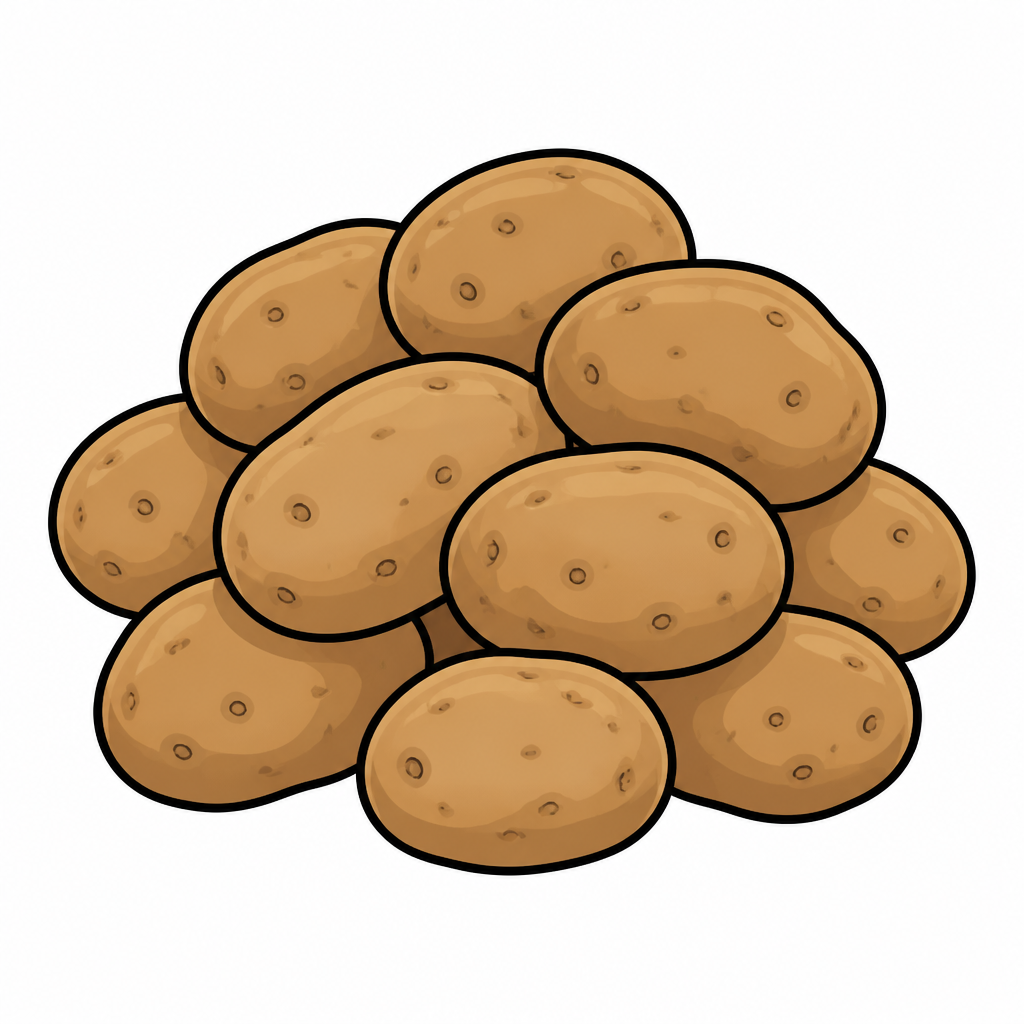 | 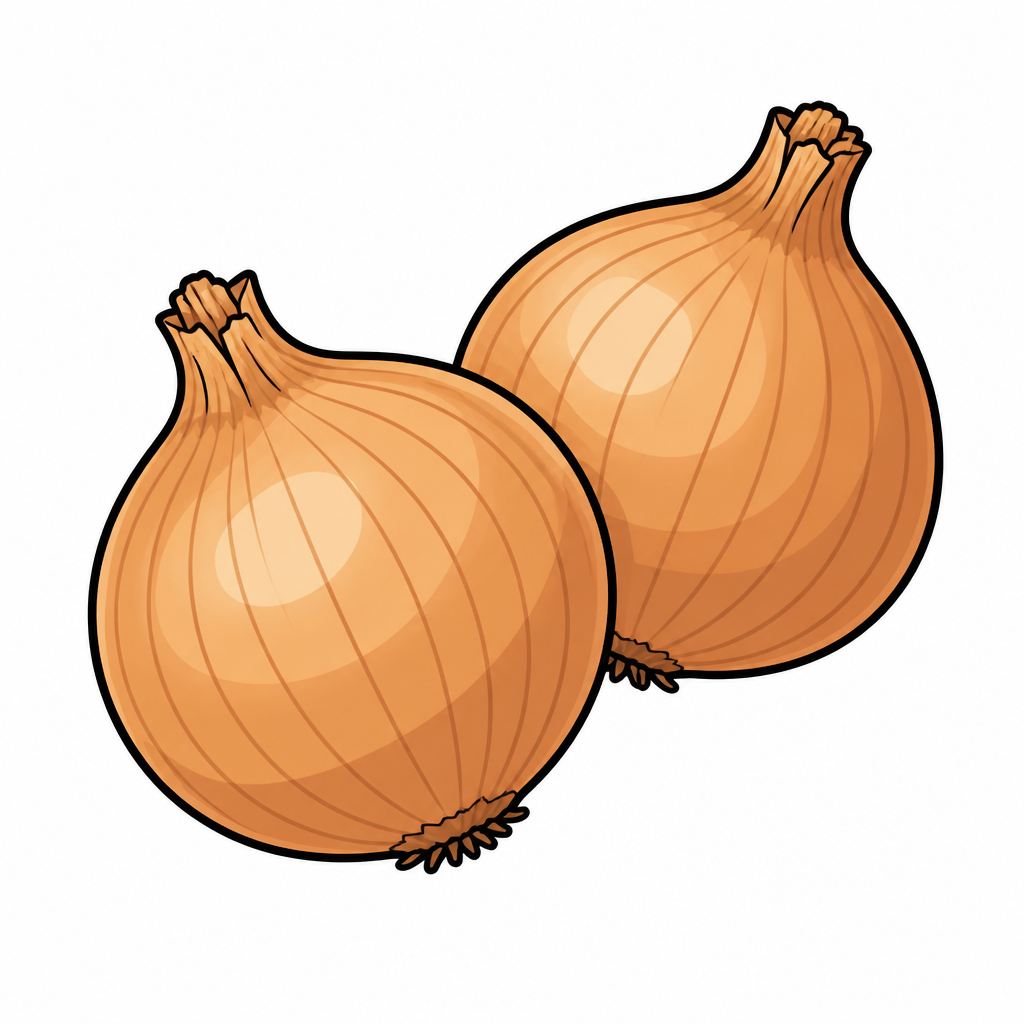 |  |
| 一____椰菜 jat1 ____ je4 coi3 | 一____粟米 jat1 ____ suk1 mai5 | 兩____薯仔 loeng5 ____ syu4 zai2 | 兩____洋蔥 loeng5 ____ joeng4 cung1 | 半____蕃茄 bun3 ____ faan1 ke2 |
| $13 | $10 | $12 | $11 | $7 |
- 斤 gan1 = catty (a unit of weight used in East and Southeast Asia, about 0.6 kg)
Step 2
Listen to a conversation. A customer will buy an item at a vegetable stall. Write down the item the customer has bought.
________| 老闆 lou5 baan2 | |
| 客 haak3 | |
| 老闆 lou5 baan2 | |
| 客 haak3 | |
| 老闆 lou5 baan2 | |
| 客 haak3 |
Step 3
Listen to the conversation again. Read the script while listening. Check your answers.
| 老闆 lou5 baan2 | 要啲咩呀? jiu3 di1 me1 aa3? What do you want? |
| 客 haak3 | 俾兩斤薯仔我吖唔該。 bei2 loeng5 gan1 syu4 zai2 ngo5 aa1 m4 goi1. Give two catties of potatoes to me, please. |
| 老闆 lou5 baan2 | 十二蚊吖。 sap6 ji6 man1 aa1. $12. |
| 客 haak3 | 嗱。 naa4. Here you go. |
| 老闆 lou5 baan2 | 收你廿蚊,找返你八蚊,多謝晒。 sau1 nei5 jaa6 man1, zaau2 faan1 nei5 baat3 man1, do1 ze6 saai3. I receive $20 from you. I give change of $8 back to you. Thank you so much. |
| 客 haak3 | 唔該晒。 m4 goi1 saai3. Thank you so much. |
- 老闆 lou5 baan2 = shopkeeper; owner
Step 4
Listen and repeat.
Step 5
Replace the highlighted words in the script with information about the other vegetables above to make your conversations.
Grammar and Vocabulary
In the Grammar and Vocabulary section, you will learn:
- Decimal Numbers
- Weight
- Prices II
- The Sentence Particle 喇喂 la3 wei3 (Urging Someone)
- The Sentence Particle 啦 laa1 IV (Persuasion)
- The Sentence Particle 嘞 laak3 (Offer)
- Attributive Adjectives II
- The Question Word 幾多 gei2 do1 (‘how many, how much’) III (Measurement Unit Classifiers)
- Vocabulary List
42.1 Decimal Numbers
To say a decimal number, we first read the digits before the decimal point like normal numbers, then read the decimal point as 點 dim2 (‘point’), and finally read the digits after the decimal point one by one.
If the digit before the decimal point is 2, we can read it as 二 ji6 or 兩 loeng5.
Grammar Practice 1
Say each number. Then, check your answers and repeat after the recordings.
1. 1.5
2. 0.2
3. 13.7
4. 0.06
5. 26.59
6. 187.34
42.2 Weight
We can use the following units to indicate the weight of food or drinks. It’s common for Hong Kong Cantonese speakers to refer to some of these units in English.
斤 gan1 and 両 loeng2 are units used in East and Southeast Asia and their actual values differ from place to place. The values listed above are the values used in Hong Kong. Also, don’t mix up 斤 gan1 and 公斤 gung1 gan1. They are different units.
The units above are measurement unit classifiers. To say a weight, we put a measurement unit classifier after the number. Note that we use 兩 loeng5 for ‘two’.
We can also put a decimal number before the measurement unit classifier.
To mean ‘half a catty, half a pound, etc.’, we put the word 半 bun3 (‘half’) before the measurement unit classifier.
To mean ‘one and a half catties, two and a half pounds, etc.’, we put 半 bun3 after the measurement unit classifier.
When we put 半 bun3 after the measurement unit classifier, we can optionally omit the number 一 jat1 if the measurement unit classifier has only one syllable (e.g., 斤 gan1, 磅 bong6).
Note that we don’t omit the number 一 jat1 if the measurement unit classifier has more than one syllable (e.g., 公斤 gung1 gan1).
❌ 公斤半
gung1 gan1 bun3
✔️ 一公斤半
jat1 gung1 gan1 bun3
one and a half kilograms
We can use multiple measurement unit classifiers together. We say from the largest unit to the smallest unit.
To indicate an item of a specific weight (e.g., half a catty of an item), we put the item after the weight.
Note that if the weight ends with 半 bun3, we put the item after 半 bun3.
To indicate the weight of an item, we can put the weight after the item to form a sentence. Note that we don’t need to add a verb between the item and the weight. It is a sentence structure that has a predicate without a verb (see Grammar and Vocabulary 12.4).
We often omit the noun of the item if it is obvious in the context.
When we are weighing something, we sometimes replace the item with the word 呢度 ni1 dou6 (‘here’).
To ask for the weight of an item, we can put the question word 幾重 gei2 cung5 (‘how heavy’) after the item. Note that we don’t say 幾多重 gei2 do1 cung5.
Grammar Practice 2
Say each weight. Use Cantonese to refer to the units in this practice. Then, check your answers and repeat after the recordings.
1. 1 catty
2. 0.5 kilogram
3. 3.5 pounds
4. 1.5 catties
5. 200 grams
6. 2.5 kilograms
7. 0.5 pound
8. 10 taels
42.3 Prices II
To indicate a unit price, we first say the price and then the number 一 jat1 (‘one’) and the classifier for the unit.
We can optionally omit the number 一 jat1.
The number can be other numbers. Notice we use 兩 loeng5 for ‘two’.
It is also possible to put the price behind the classifier. Note that we don’t omit the number 一 in this case.
We can also use the word 每 mui5 (‘each’). We first say 每 mui5 and the classifier and then the price.
To indicate the unit price of an item, we simply put the unit price after the item to form a sentence. Note that we don’t need to add a verb between the item and the unit price. It is a sentence structure that has a predicate without a verb (see Grammar and Vocabulary 12.4).
To ask for the unit price of an item, we simply put the question word 幾多錢 gei2 do1 cin2 / 幾錢 gei2 cin2 (‘how much’ for money) at the position of the price.
We can optionally omit the number 一 jat1.
We can omit the unit if we are not sure about it.
We can also put the question word 點 dim2 / 點樣 dim2 joeng2 (‘how’) and the verb 賣 maai6 (‘to sell’) after an item to ask how the item is sold. In the context of buying groceries, we also use this type of question simply to ask for the price of an item.
| A: | 蘿蔔點賣呀? lo4 baak6 dim2 maai6 aa3? 蘿蔔點樣賣呀? lo4 baak6 dim2 joeng2 maai6 aa3? How are the white turnips sold? [= How much are the white turnips?] |
| B: | 五蚊一斤。 ng5 man1 jat1 gan1. $5 for one catty. |
42.4 The Sentence Particle 喇喂 la3 wei3 (Urging Someone)
We can use the sentence particle 喇喂 la3 wei3 to catch someone’s attention and urge them to do something. In the context of shops, shopkeepers often use 喇喂 la3 wei3 when attracting passers-by to stop and browse their shops.
埋嚟睇下喇喂。
maai4 lai4 tai2 haa6 la3 wei3.
Come close to have a look.
過嚟睇下喇喂。
gwo3 lai4 tai2 haa6 la3 wei3.
Come over to have a look.
42.5 The Sentence Particle 啦 laa1 IV (Persuasion)
In Grammar and Vocabulary 27.7, we learned to use the sentence particle 啦 laa1 to form suggestions.
We can also use the sentence particle 啦 laa1 to form persuasion when we need to persuade someone to do something. In the context of shops, shopkeepers often use 啦 laa1 when persuading customers to buy something.
今日啲菜心好靚呀,買多斤啦。
gam1 jat6 di1 coi3 sam1 hou2 leng3 aa3, maai5 do1 gan1 laa1.
Today’s choy sum [a type of vegetable] is of very good quality. Buy one more catty.
今日啲菜心好靚呀,買兩斤啦。
gam1 jat6 di1 coi3 sam1 hou2 leng3 aa3, maai5 loeng5 gan1 laa1.
Today’s choy sum is of very good quality. Buy two catties.
42.6 The Sentence Particle 嘞 laak3 (Offer)
We can use the sentence particle 嘞 laak3 to form an offer (e.g., offering help or discounts). We use 嘞 laak3 when the offer is not necessary and will cost us something (e.g., time or money), but we are offering it just because it will benefit the listener in the current situation.
In the context of shops, shopkeepers will often use 嘞 laak3 when offering extra discounts to customers.
買多斤啦,平啲俾你嘞。
maai5 do1 gan1 laa1, peng4 di1 bei2 nei5 laak3.
Buy one more catty. I can give it to you cheaper [= I can sell it to you at a lower price].
買多斤啦,送多個薯仔俾你嘞。
maai5 do1 gan1 laa1, sung3 do1 go3 syu4 zai2 bei2 nei5 laak3.
Buy one more catty. I can give one more potato to you as a gift.
Another example is when we offer to run errands or handle tasks for someone who is busy.
我幫你去圖書館還書嘞。
ngo5 bong1 nei5 heoi3 tou4 syu1 gun2 waan4 syu1 laak3.
I can go to the library to return books for you.
我幫你拎啲衫去洗衣舖嘞。
ngo5 bong1 nei5 ling1 di1 saam1 heoi3 sai2 ji1 pou2 laak3.
I can take the clothes to go to the laundry store for you.
42.7 Attributive Adjectives II
In Grammar and Vocabulary 21.2, we learned that we can put an attributive adjective before a noun to modify the noun. We use the particle 嘅 ge3 to link an attributive adjective and a noun.
We usually omit the noun if it is obvious in the context.
| A: | 蘿蔔幾錢斤呀? lo4 baak6 gei2 cin2 gan1 aa3? How much is one catty of white turnip? |
| B: | 四蚊斤。 sei3 man1 gan1. $4 for one catty. |
| A: | 俾個大嘅 bei2 go3 daai6 ge3 Give me one big one, please. |
42.8 The Question Word 幾多 gei2 do1 (‘how many, how much’) III (Measurement Unit Classifiers)
In Grammar and Vocabulary 11.6, we learned that the question word 幾多 gei2 do1 is similar to how many or how much in English. We also learned that if the noun is countable, we often add a classifier between 幾多 gei2 do1 and the noun. In Grammar and Vocabulary 28.8, we learned that we can put a container classifier (e.g., 碗 wun2 ‘bowl’) between 幾多 gei2 do1 and the noun. This is especially useful when the noun is uncountable.
We can also put a measurement unit classifier (e.g., 斤 gan1 ‘catty’) between 幾多 gei2 do1 (‘how many, how much’) and the noun. Again, this is especially useful when the noun is uncountable (e.g., 菜心 coi3 sam1 ‘choy sum’).
要幾多斤菜心呀?
jiu3 gei2 do1 gan1 coi3 sam1 aa3?
How many catties of choy sum [a type of vegetables] do you want?
When 幾多 gei2 do1 is followed by a classifier, 幾多 gei2 do1 can be contracted to 幾 gei2.
要幾斤菜心呀?
jiu3 gei2 gan1 coi3 sam1 aa3?
How many catties of choy sum do you want?
We usually omit the noun if it is obvious in the context.
| A: | 菜心幾多錢斤呀? coi3 sam1 gei2 do1 cin2 gan1 aa3? How much is one catty of choy sum? |
| B: | 廿四蚊一斤,四呀六蚊兩斤,要幾多斤 jaa6 sei3 man1 jat1 gan1, sei3 aa6 luk6 man1 loeng5 gan1, jiu3 gei2 do1 gan1 $24 for one catty and $46 for two catties. How many catties do you want? |
| A: | 俾一斤我吖唔該。 bei2 jat1 gan1 ngo5 aa1 m4 goi1. Give one catty to me, please. |
42.9 Vocabulary List
Communication
In the Communication section, you will learn:
- Buying Vegetables and Fruits
Buying Vegetables and Fruits
Shopkeepers in the wet market often shout to attract customers and promote their products.
When we walk close to a stall, the shopkeeper will usually ask what we want.
If we want to ask how much a type of vegetable is, we can say:
Route A: Buy
Route B: Not buy
The shopkeeper will sometimes offer discounts or free gifts to encourage us to buy more.
- 平啲 peng4 di1 is used as an adverb here to modify the verb 俾 bei2. Like other adverbs, we put 平啲 peng4 di1 before the verb.
Route A: Accept the offer
Route B: Not accept the offer
If we want to choose another one, we can say:
If we want to check the weight first, we can say:
When we buy vegetables from a vegetable stall, we can ask for free spring onions.
The shopkeeper will then work out how much we need to pay.
The shopkeeper may sometimes ask if we have coins or smaller notes to avoid giving a lot of change.
Route A: Yes
Route B: No
Exercises
Exercise 1
Complete the descriptions.
1.
When saying a decimal number, we read the decimal point as ________.
2.
We can use the question word ________ to ask for the weight of an item.
3.
We can use the sentence particle ________ to catch someone’s attention and urge them to do something.
4.
We can use the sentence particle ________ to form persuasion when we need to persuade someone to do something.
5.
We can use the sentence particle ________ to form an offer (e.g., offering help or discounts).
Exercise 2
Listen and arrange the sentences in the correct order to form conversations. Then, check your answers and repeat after the recordings.
Conversation 1
| 1. | 白菜仔幾多錢一斤呀? baak6 coi3 zai2 gei2 do1 cin2 jat1 gan1 aa3? |
| 2. | 埋嚟睇下喇喂,今日啲白菜仔好靚呀。 maai4 lai4 tai2 haa5 la3 wei3, gam1 jat6 di1 baak6 coi3 zai2 hou2 leng3 aa3. |
| 3. | 十六蚊一斤,三呀蚊兩斤,要幾多斤呀? sap6 luk6 man1 jat1 gan1, saa1 aa6 man1 loeng5 gan1, jiu3 gei2 do1 gan1 aa3? |
| 4. | 俾一斤我吖唔該。 bei2 jat1 gan1 ngo5 aa1 m4 goi1. |
| 5. | 好呀,噉俾兩斤我啦。 hou2 aa3, gam2 bei2 loeng5 gan1 ngo5 laa1. |
| 6. | 買多斤啦,平啲俾你嘞,廿八蚊兩斤。 maai5 do1 gan1 laa1, peng4 di1 bei2 nei5 laak3, jaa6 baat3 man1 loeng5 gan1. |
Conversation 2
| 1. | 噉就要呢個啦唔該。 gam2 zau6 jiu3 ni1 go3 laa1 m4 goi1. |
| 2. | 呢個斤半。 ni1 go3 gan1 bun3. |
| 3. | 欸……要呢個吖唔該,呢個幾重呀? e6… jiu3 ni1 go3 aa1 m4 goi1, ni1 go3 gei2 cung5 aa3? |
| 4. | 五蚊斤。 ng5 man1 gan1. |
| 5. | 過嚟睇下喇喂,今日啲通菜好靚呀。 gwo3 lai4 tai2 haa5 la3 wei3, gam1 jat6 di1 tung1 coi3 hou2 leng3 aa3. |
| 6. | 蘿蔔點賣呀? lo4 baak6 dim2 maai6 aa3? |
Exercise 3
Listen to A and complete B. Use the contracted form of the tens digit whenever possible. Then, listen to the recordings to check your answers. Finally, repeat after the recordings.
| 菜心 coi3 sam1 | 薯仔 syu4 zai2 | 洋蔥 joeng4 cung1 | 菇 gu1 |
 | 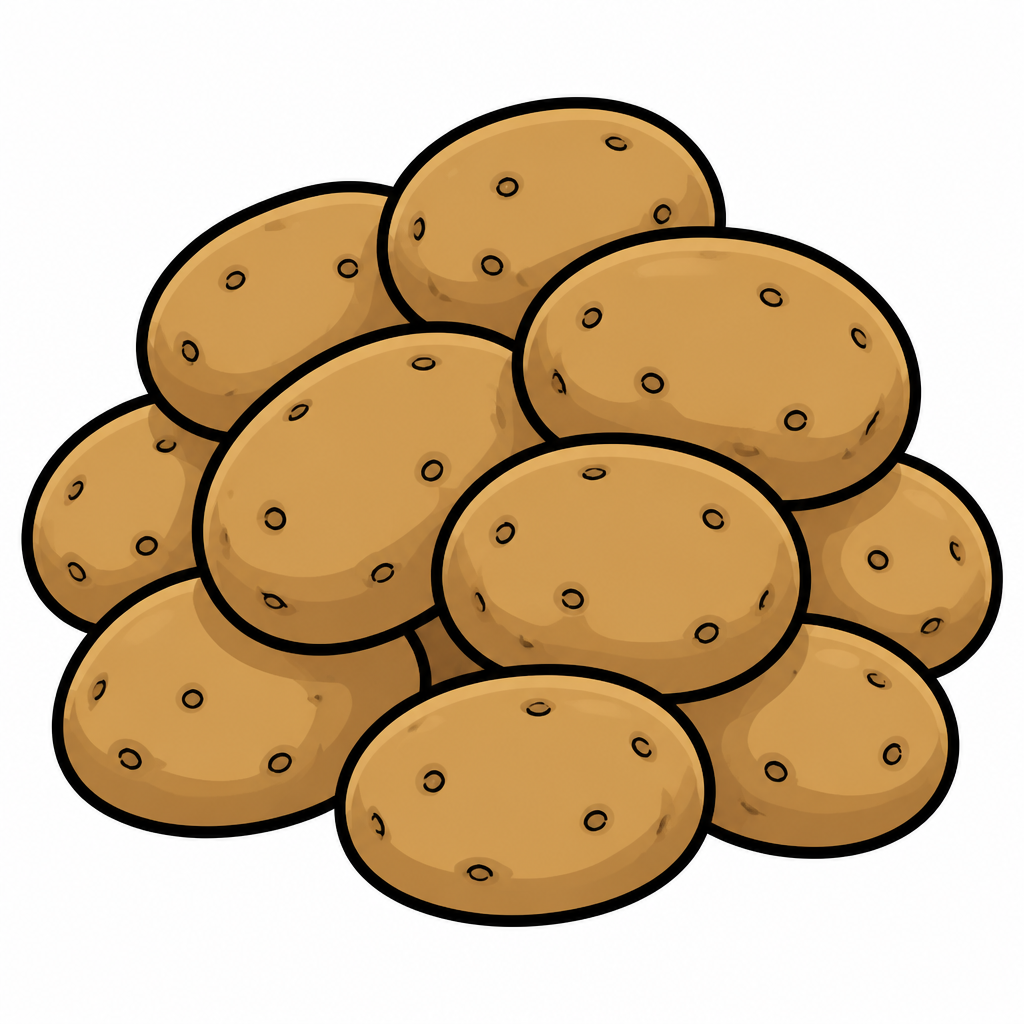 | 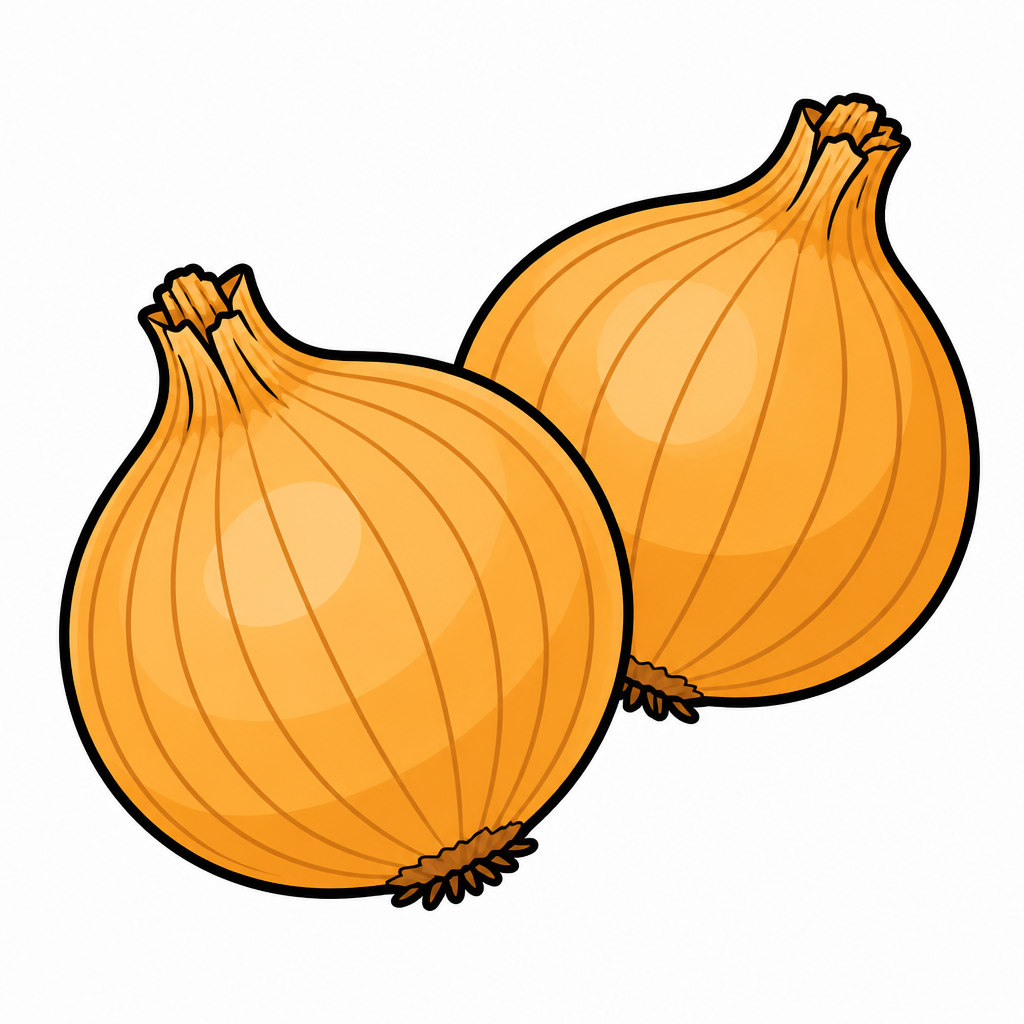 | 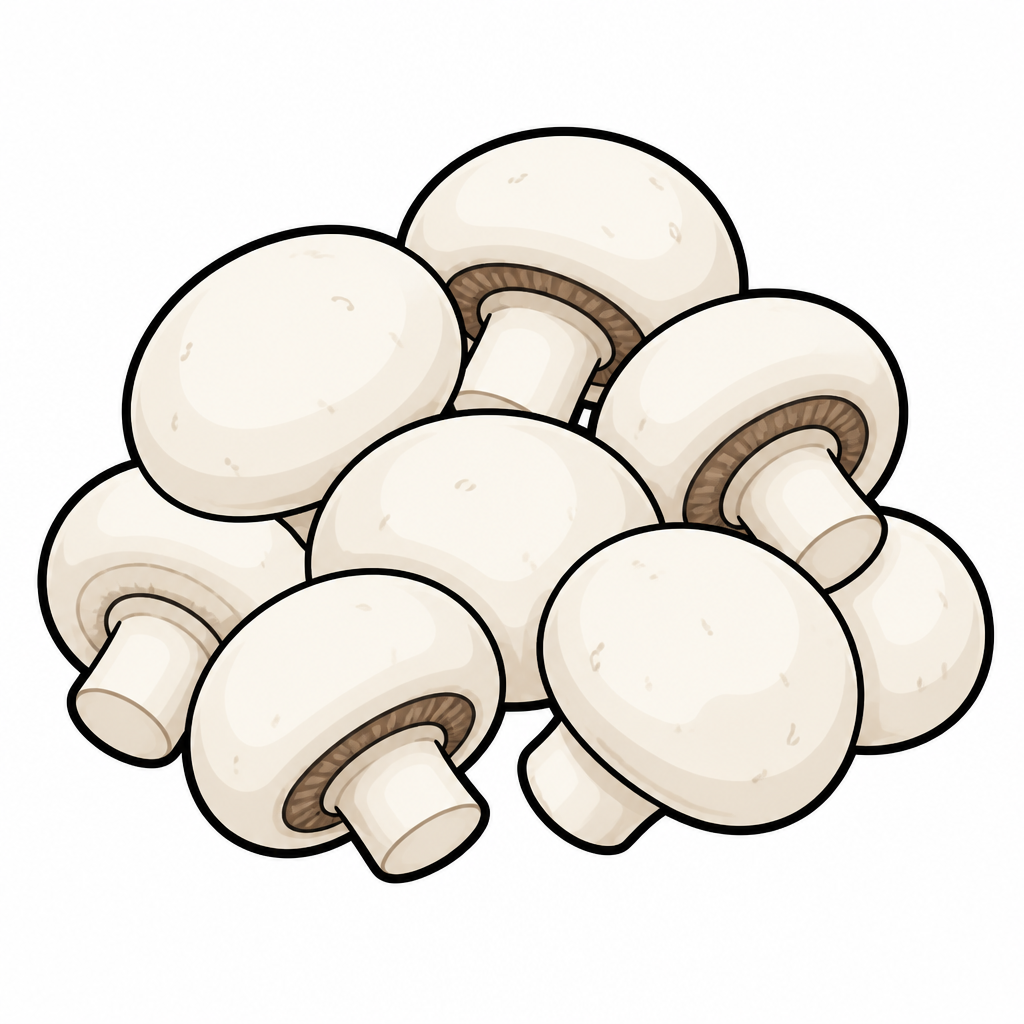 |
| $21 / 斤 gan1 | $5 / 斤 gan1 | $15 / 袋 doi6 | $17 / 份 fan6 |
| 蘋果 ping4 gwo2 | 車厘子 ce1 lei4 zi2 | 士多啤梨 si6 do1 be1 lei2 | 提子 tai4 zi2 |
 |  |  |  |
| $24 / 4 個 go3 | $36 / 磅 bong6 | $48 / 盒 hap6 | $29 / 包 baau1 |
Example
| A | 菜心幾錢斤呀? coi3 sam1 gei2 cin2 gan1 aa3? How much is one catty of choy sum? |
| B | 菜心廿一蚊斤。 coi3 sam1 jaa6 jat1 man1 gan1. Choy sum is $21 for one catty. |
1.
| A | ________ |
| B | ________ |
2.
| A | ________ |
| B | ________ |
3.
| A | ________ |
| B | ________ |
4.
| A | ________ |
| B | ________ |
5.
| A | ________ |
| B | ________ |
6.
| A | ________ |
| B | ________ |
7.
| A | ________ |
| B | ________ |
Exercise 4
Listen to B and complete A. Then, listen to the recordings to check your answers. Finally, repeat after the recordings.
| 菜心 coi3 sam1 | 薯仔 syu4 zai2 | 洋蔥 joeng4 cung1 | 菇 gu1 |
| | | |
| $22 / 斤 gan1 | $6 / 斤 gan1 | $16 / 袋 doi6 | $18 / 份 fan6 |
| 蘋果 ping4 gwo2 | 車厘子 ce1 lei4 zi2 | 士多啤梨 si6 do1 be1 lei2 | 提子 tai4 zi2 |
| | | |
| $20 / 4 個 go3 | $30 / 磅 bong6 | $46 / 盒 hap6 | $28 / 包 baau1 |
Example
| A | 菜心幾多錢一斤呀? coi3 sam1 gei2 do1 cin2 jat1 gan1 aa3? How much is one catty of choy sum? |
| B | 廿二蚊一斤。 jaa6 ji6 man1 jat1 gan1. ← Listen to this first. $22 for one catty. |
1.
| A | ________ |
| B | ________ |
2.
| A | ________ |
| B | ________ |
3.
| A | ________ |
| B | ________ |
4.
| A | ________ |
| B | ________ |
5.
| A | ________ |
| B | ________ |
6.
| A | ________ |
| B | ________ |
7.
| A | ________ |
| B | ________ |
Activities
Activity 1
Listen to two conversations. In each conversation, a customer will shop at a vegetable stall. Complete the tables.
Conversation 1
| 老闆 lou5 baan2 | |
| 客 haak3 | |
| 老闆 lou5 baan2 | |
| 客 haak3 | |
| 老闆 lou5 baan2 | |
| 客 haak3 | |
| 老闆 lou5 baan2 | |
| 客 haak3 | |
| 老闆 lou5 baan2 | |
| 客 haak3 | |
| 老闆 lou5 baan2 | |
| 客 haak3 | |
| 老闆 lou5 baan2 | |
| 客 haak3 | |
| 老闆 lou5 baan2 | |
| 客 haak3 |
Conversation 2
| 老闆 lou5 baan2 | |
| 客 haak3 | |
| 老闆 lou5 baan2 | |
| 客 haak3 | |
| 老闆 lou5 baan2 | |
| 客 haak3 | |
| 老闆 lou5 baan2 | |
| 客 haak3 | |
| 老闆 lou5 baan2 | |
| 客 haak3 | |
| 老闆 lou5 baan2 | |
| 客 haak3 | |
| 老闆 lou5 baan2 | |
| 客 haak3 | |
| 老闆 lou5 baan2 | |
| 客 haak3 | |
| 老闆 lou5 baan2 | |
| 客 haak3 | |
| 老闆 lou5 baan2 | |
| 客 haak3 | |
| 老闆 lou5 baan2 | |
| 客 haak3 |
Transcripts with Translation
Conversation 1
| 老闆 lou5 baan2 | 埋嚟睇下喇喂,今日啲芥蘭好靚呀。要啲咩呀? maai4 lai4 tai2 haa5 la3 wei3, gam1 jat6 di1 gaai3 laan2 hou2 leng3 aa3. jiu3 di1 me1 aa3? Come close to have a look. Today’s gai lan [a type of vegetable] is of very good quality. What do you want? |
| 客 haak3 | 芥蘭幾錢斤呀? gaai3 laan2 gei2 cin2 gan1 aa3? How much is one catty of gai lan? |
| 老闆 lou5 baan2 | 廿二蚊一斤,四呀二蚊兩斤,要幾斤呀? jaa6 ji6 man1 jat1 gan1, sei3 aa6 ji6 man1 loeng5 gan1, jiu3 gei2 gan1 aa3? $22 for one catty and $42 for two catties. How many catties do you want? |
| 客 haak3 | 俾一斤我吖唔該。 bei2 jat1 gan1 ngo5 aa1 m4 goi1. Give one catty to me, please. |
| 老闆 lou5 baan2 | 買多斤啦,平啲俾你嘞,四呀蚊兩斤。 maai5 do1 gan1 laa1, peng4 di1 bei2 nei5 laak3, sei3 aa6 man1 loeng5 gan1. Buy one more catty. I can give it to you cheaper [= I can sell it to you at a lower price]. $40 for two catties. |
| 客 haak3 | 欸……噉俾多斤我啦。 e6… gam2 bei2 do1 gan1 ngo5 laa1. Hm… Then, give me one more catty. |
| 老闆 lou5 baan2 | 嗱,呢度兩斤,好靚呀。仲有冇其他嘢要呀? naa4, ni1 dou6 loeng5 gan1, hou2 leng3 aa3. zung6 jau5 mou5 kei4 taa1 je5 jiu3 aa3? Look. Here are two catties. It is of very good quality. Are there still other things that you want? |
| 客 haak3 | 欸……薯仔幾錢斤呀? e6… syu4 zai2 gei2 cin2 gan1 aa3? Hm… How much is one catty of potatoes? |
| 老闆 lou5 baan2 | 薯仔六蚊斤,今日啲薯仔都好靚呀。 syu4 zai2 luk6 man1 gan1, gam1 jat6 di1 syu4 zai2 dou1 hou2 leng3 aa3. $6 for one catty. Today’s potatoes are of very good quality too. |
| 客 haak3 | 欸……要呢個、呢個同呢個吖唔該。 e6… jiu3 ni1 go3, ni1 go3 tung4 ni1 go3 aa1 m4 goi1. Hm… I want this one, this one and this one, please. |
| 老闆 lou5 baan2 | 嗱,呢度兩斤,十二蚊,四十加十二,夾埋五呀二蚊吖。 naa4, ni1 dou6 loeng5 gan1, sap6 ji6 man1, sei3 sap6 gaa1 sap6 ji6, gaap3 maai4 ng5 aa6 ji6 man1 aa1. Look. Here are two catties. $12. 40 plus 12. $52 in total. |
| 客 haak3 | 嗱。 naa4. Here you go. |
| 老闆 lou5 baan2 | 收你一百蚊,有冇兩蚊呀? sau1 nei5 jat1 baak3 man1, jau5 mou5 loeng5 man1 aa3? I receive $100 from you. Do you have two dollars? |
| 客 haak3 | 有呀,嗱。 jau5 aa3, naa4. Yes. Here you go. |
| 老闆 lou5 baan2 | 找返你五呀蚊,多謝晒。 zaau2 faan1 nei5 ng5 aa6 man1, do1 ze6 saai3. I give change of $50 back to you. Thank you so much. |
| 客 haak3 | 唔該晒。 m4 goi1 saai3. Thank you so much. |
Conversation 2
| 老闆 lou5 baan2 | 過嚟睇下喇喂,過嚟睇下喇喂。要啲咩嘅?今日啲菠菜好靚呀。 gwo3 lai4 tai2 haa5 la3 wei3, gwo3 lai4 tai2 haa5 la3 wei3. jiu3 di1 me1 ge3? gam1 jat6 di1 bo1 coi3 hou2 leng3 aa3. Come over to have a look. Come over to have a look. What do you want? Today’s spinach is of very good quality. |
| 客 haak3 | 蕃茄點賣呀? faan1 ke2 dim2 maai6 aa3? How are the tomatoes sold? |
| 老闆 lou5 baan2 | 十二蚊一斤。 sap6 ji6 man1 jat1 gan1. $12 for one catty. |
| 客 haak3 | 欸……噉菜心呢?菜心幾多錢一斤呀? e6… gam2 coi3 sam1 ne1? coi3 sam1 gei2 do1 cin2 jat1 gan1 aa3? Hm… How about choy sum? How much is one catty of choy sum? |
| 老闆 lou5 baan2 | 菜心二十蚊一斤,要幾多斤呀? coi3 sam1 ji6 sap6 man1 jat1 gan1, jiu3 gei2 do1 gan1 aa3? $20 for one catty. How many catties do you want? |
| 客 haak3 | 噉俾一斤我吖唔該。 gam2 bei2 jat1 gan1 ngo5 aa1 m4 goi1. Then, give one catty to me, please. |
| 老闆 lou5 baan2 | 買多斤啦,平啲俾你嘞,三呀九蚊兩斤。 maai5 do1 gan1 laa1, peng4 di1 bei2 nei5 laak3, saa1 aa6 gau2 man1 loeng5 gan1. Buy one more catty. I can give it to you cheaper [= I can sell it to you at a lower price]. $39 for two catties. |
| 客 haak3 | 唔使喇,唔該。 m4 sai2 laa3, m4 goi1. I don’t need it. Thank you. |
| 老闆 lou5 baan2 | 嗱,呢度一斤,仲有冇其他嘢要呀? naa4, ni1 dou6 jat1 gan1, zung6 jau5 mou5 kei4 taa1 je5 jiu3 aa3? Look. Here is one catty. Are there still other things that you want? |
| 客 haak3 | 南瓜幾錢斤呀? naam4 gwaa1 gei2 cin2 gan1 aa3? How much is one catty of pumpkin? |
| 老闆 lou5 baan2 | 南瓜十蚊一斤。 naam4 gwaa1 sap6 man1 jat1 gan1. Pumpkin is $10 for one catty. |
| 客 haak3 | 噉俾個大嘅我吖唔該。 gam2 bei2 go3 daai6 ge3 ngo5 aa1 m4 goi1. Give me one big one, please. |
| 老闆 lou5 baan2 | 嗱,呢個好靚呀。 naa4, ni1 go3 hou2 leng3 aa3. Look. This one is of very good quality. |
| 客 haak3 | 欸……呢個好似大得滯,要呢個吖唔該。 e6… ni1 go3 hou2 ci5 daai6 dak1 zai6, jiu3 ni1 go3 aa1 m4 goi1. Hm… This one seems too big. I want this one, please. |
| 老闆 lou5 baan2 | 嗱,呢個斤半。 naa4, ni1 go3 gan1 bun3. Look. This one is one and a half catties. |
| 客 haak3 | 搭條蔥吖唔該。 daap3 tiu4 cung1 aa1 m4 goi1. Add a spring onion, please. |
| 老闆 lou5 baan2 | 好呀,嗱,二十加十五,總共三呀五蚊吖。 hou2 aa3, naa4, ji6 sap6 gaa1 sap6 ng5, zung2 gung6 saa1 aa6 ng5 man1 aa1. Good. [= Sure.] Look. 20 plus 15. $35 altogether. |
| 客 haak3 | 嗱。 naa4. Here you go. |
| 老闆 lou5 baan2 | 有冇散紙呀? jau5 mou5 saan2 zi2 aa3? Do you have coins or small notes? |
| 客 haak3 | 冇呀,唔好意思。 mou5 aa3, m4 hou2 ji3 si1. I don’t have it. Sorry. |
| 老闆 lou5 baan2 | 找返六呀五蚊俾你,多謝晒。 zaau2 faan1 luk6 aa6 ng5 man1 bei2 nei5, do1 ze6 saai3. I give change of $65 back to you. Thank you so much. |
| 客 haak3 | 唔該晒。 m4 goi1 saai3. Thank you so much. |
Activity 2
Form a pair. One of you will run a vegetable stall, and one of you will run a fruit stall. Draw four items on a piece of paper. Decide the prices, but don’t show them on the paper. In turn, purchase at least two items from your partner’s stall. Then, swap your partner with another pair for another round of purchases.
If time is limited, you can use the following sets of pictures instead of drawing your own.
Vegetable Stall
Fruit Stall