Print or Export
Pronunciation Lesson 4
1. Tone 5 (Low Rising)
Tone 5 is the low rising tone. The pitch goes up from the low pitch to the mid pitch in the syllable.
| Tone Number | Tone 5 |
| Tone Name | Low rising |
| Diagram |  |
💡 Tips
To remember Tone 5 is a rising tone, remember the food fried rice. Fried sounds like the number five, and rice sounds like rise.
Let’s compare Tone 5 with Tone 2, the rising tone we learned before. Both Tone 2 (mid rising) and Tone 5 (low rising) start from the low pitch. Tone 2 ends at the high pitch, but Tone 5 ends at the mid pitch.
| Tone Number | Tone 2 | Tone 5 |
| Tone Name | Mid rising | Low rising |
| Diagram |  | |
Step 1 Let’s revise Tone 2 first. Listen to the syllable si in Tone 2.
si2
Listen to the syllable si in Tone 5. Pay attention to the pitch. The pitch only goes up to the mid pitch. It also goes up less rapidly.
si5
Listen to the syllable si in Tone 2 and Tone 5.
si2 si5
Step 2 Practice saying Tone 2 with the syllable si. Listen and repeat.
si2
To say Tone 5, go up to the mid pitch and stop. Also, go up less rapidly than when you say Tone 2. Practice saying Tone 5 with the syllable si. Listen and repeat.
si5
Practice saying Tone 2 and Tone 5 with the syllable si. Listen and repeat.
si2 si5
Practice Practice saying Tone 5 with other syllables. Listen and repeat.
- se5
- ngo5
- maai5
- keoi5
- tou5
2. Tone 1 to Tone 5
We have learned the first five tones. Let’s revise them together.
| Tone Number | Tone 1 | Tone 2 | Tone 3 | Tone 4 | Tone 5 |
| Tone Name | High level | Mid rising | Mid level | Low falling | Low rising |
| Diagram | 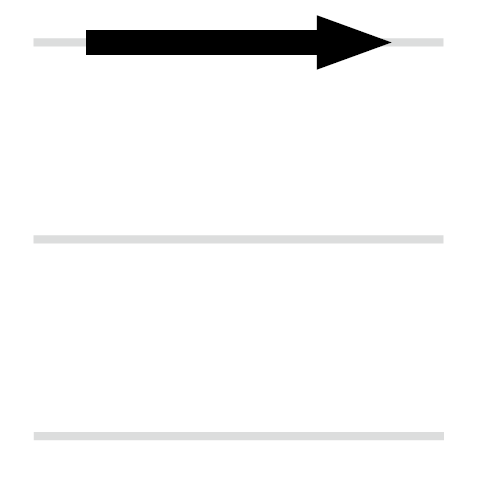 |  | 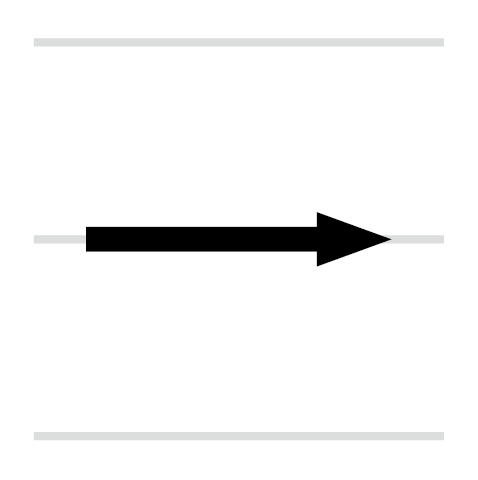 |  |  |
Step 1 Listen to the syllable si in Tone 1 to Tone 5 together. Pay attention to the pitch.
si1
si1 si2
si1 si2 si3
si1 si2 si3 si4
si1 si2 si3 si4 si5
Step 2 Practice saying the syllable si in Tone 1 to Tone 5. Listen and repeat.
si1
si1 si2
si1 si2 si3
si1 si2 si3 si4
si1 si2 si3 si4 si5
Practice Practice saying Tone 1 to Tone 5 with other syllables. Listen and repeat.
- fu1 fu2 fu3 fu4 fu5
- seoi1 seoi2 seoi3 seoi4 seoi5
3. The Initial l
Step 1 Listen to the initial l.
l
Step 2 Listen and repeat.
l
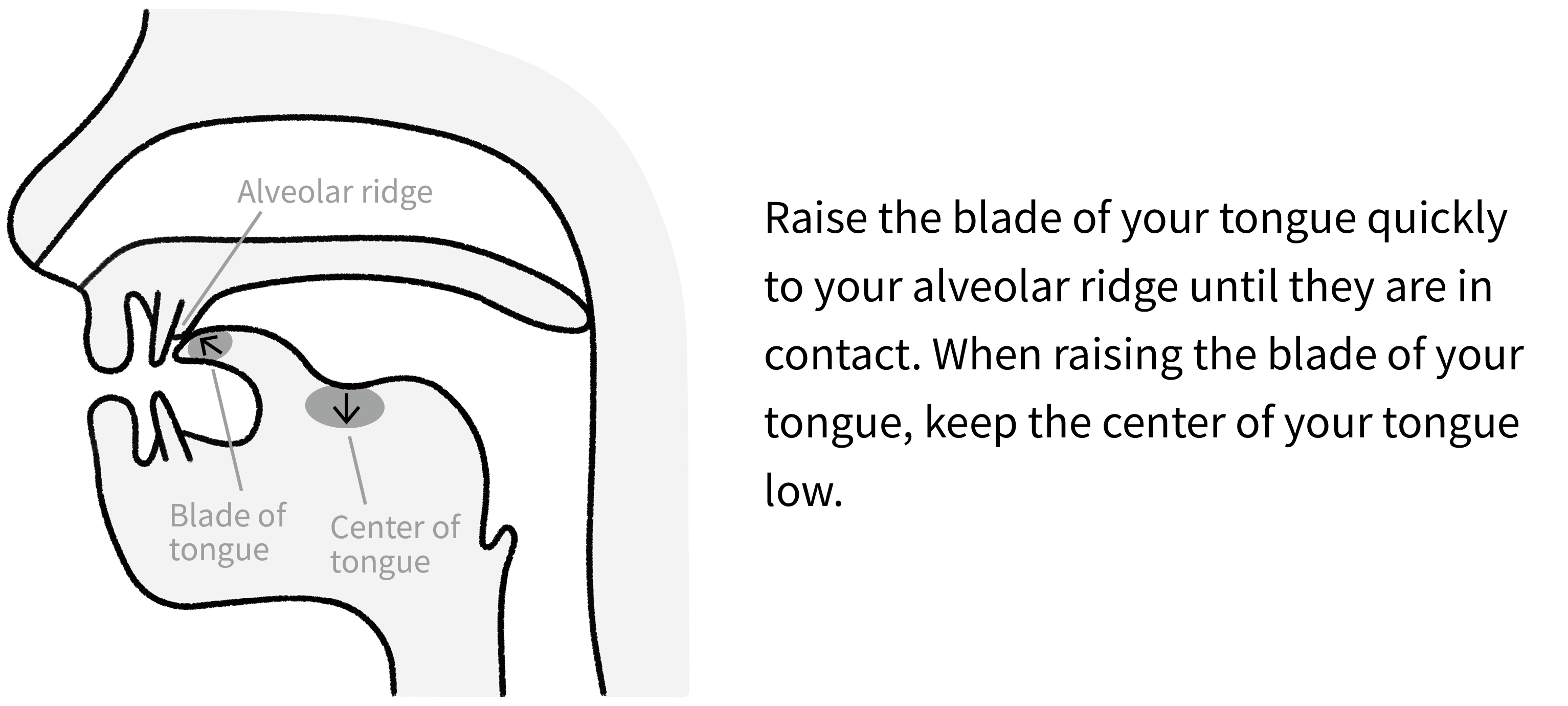
Blade of tongue: The flat part just behind your tongue tip
Alveolar ridge: The small ridge just behind your upper front teeth
Practice Practice saying the initial l with different finals. Listen and repeat.
- l ‒ ai ‒ lai5
- l ‒ au ‒ lau5
- l ‒ ei ‒ lei5
- l ‒ iu ‒ liu5
- l ‒ ou ‒ lou5
4. The Initial h
Step 1 Listen to the initial h.
h
Step 2 Listen and repeat.
h
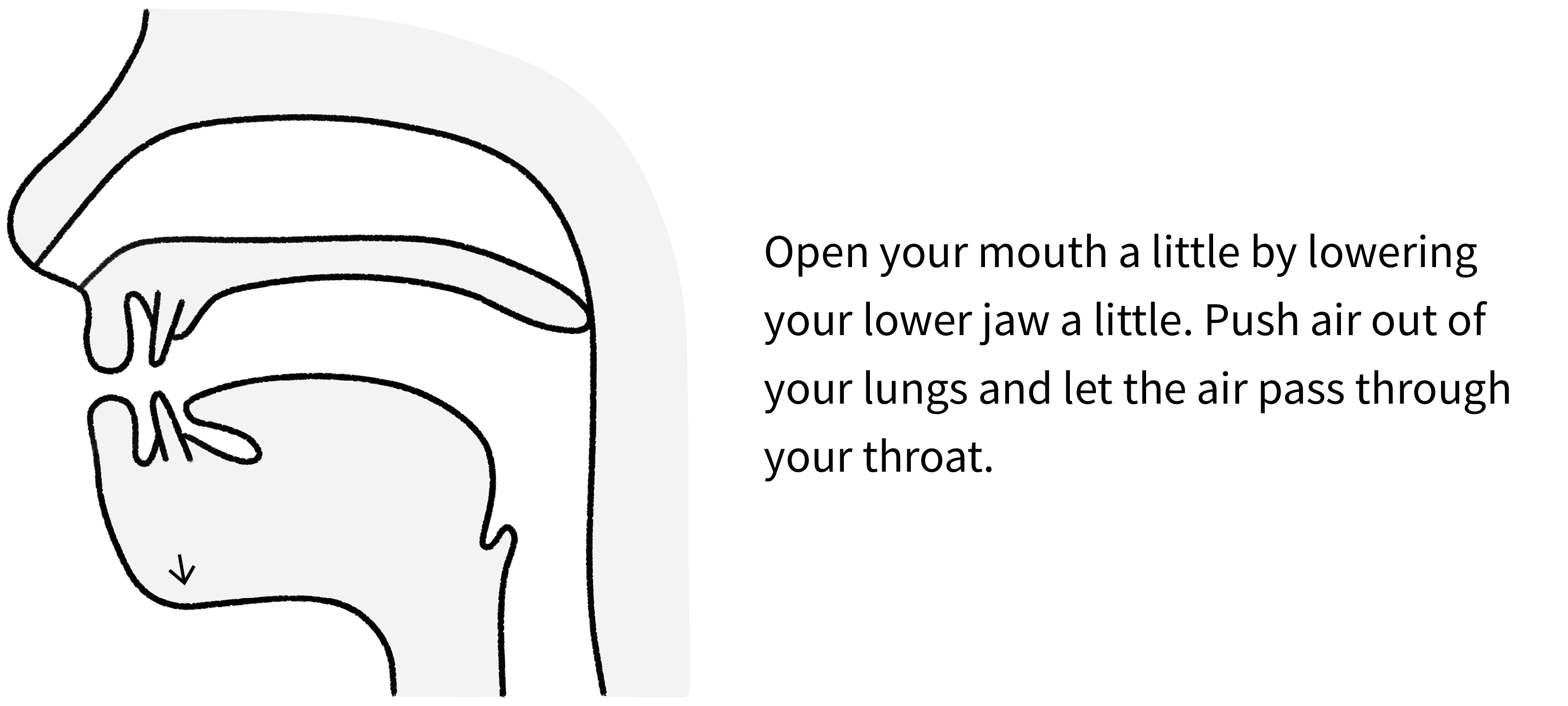
Practice Practice saying the initial h with different finals. Listen and repeat.
- h ‒ aa ‒ haa5
- h ‒ aai ‒ haai5
- h ‒ eoi ‒ heoi5
- h ‒ au ‒ hau5
5. The Final oe
The final oe is formed by the vowel oe alone. Note that the vowel oe is not formed by combining the vowel o and the vowel e. It is a sound different from both of them. Also, don’t confuse the vowel oe with the vowel eo.
Step 1 Listen to the final oe.
oe
Step 2 Listen and repeat. Pay attention to your mouth shape. Use a mirror to check it if needed.
oe
Tongue Position: Open your mouth a little by lowering your lower jaw a little. Raise the front of your tongue toward your hard palate a little.
Lip Shape: Round your lips a little. Your lips will move forward a little.
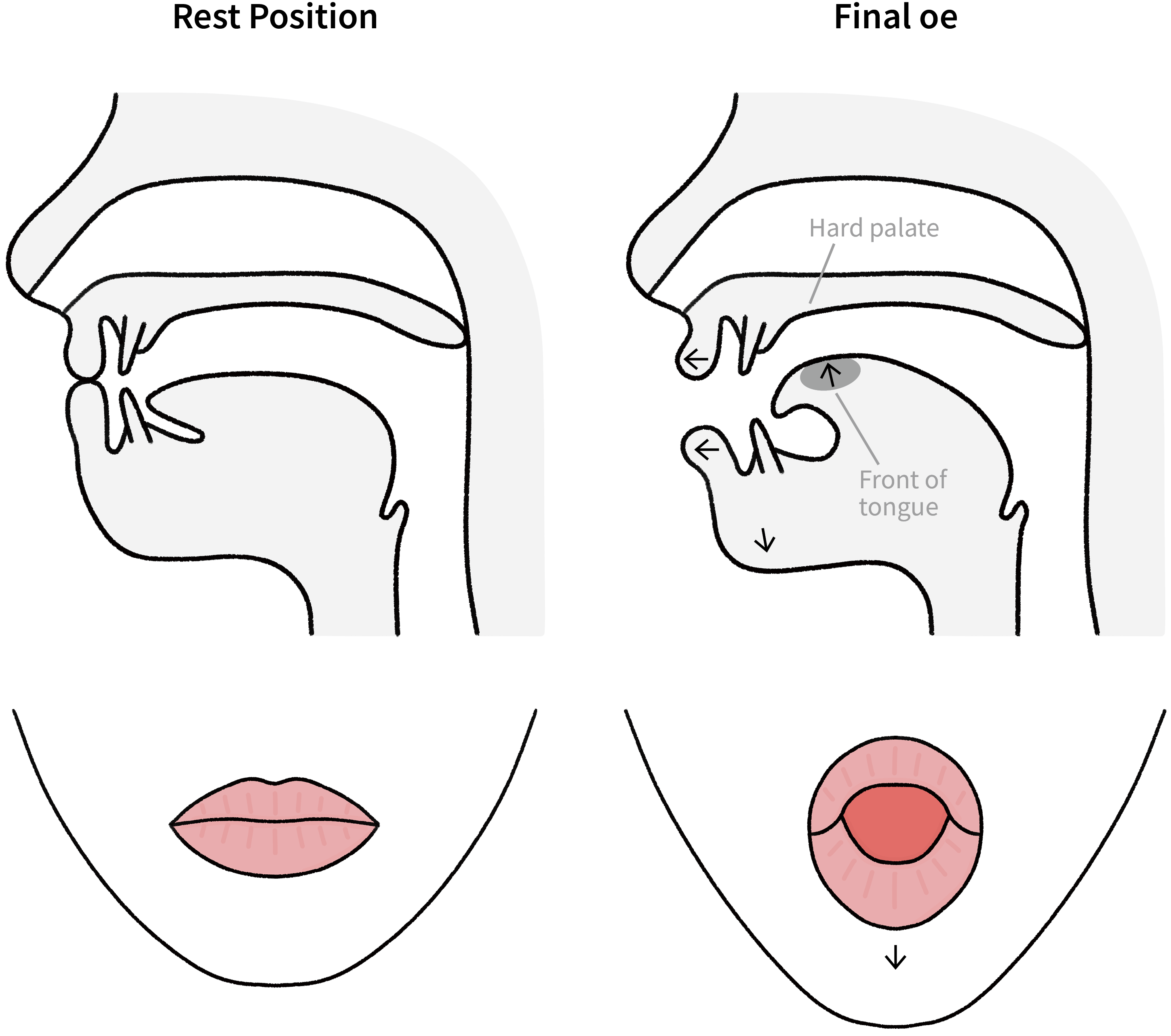
Hard palate: The part of your upper jaw just behind your alveolar ridge
💡 Tips
If you find it difficult to produce the final oe, try the following trick. First, say the final e. Then, while keeping your tongue at the same position, round your lips a little and you will get the final oe.
Listen.
e → oe
Practice Practice saying the syllables with the final oe. Listen and repeat.
- h ‒ oe ‒ hoe1
- d ‒ oe ‒ doe2
- g ‒ oe ‒ goe3
- t ‒ oe ‒ toe5
6. The Final yu
The final yu is formed by the vowel yu alone.
Step 1 Listen to the final yu.
yu
Step 2 Listen and repeat. Pay attention to your mouth shape. Use a mirror to check it if needed.
yu
Tongue Position: Raise the front of your tongue toward your hard palate until they are almost in contact. You will feel the left and right sides of your tongue touch your upper teeth.
Lip Shape: Round your lips tightly. Your lips will move forward.
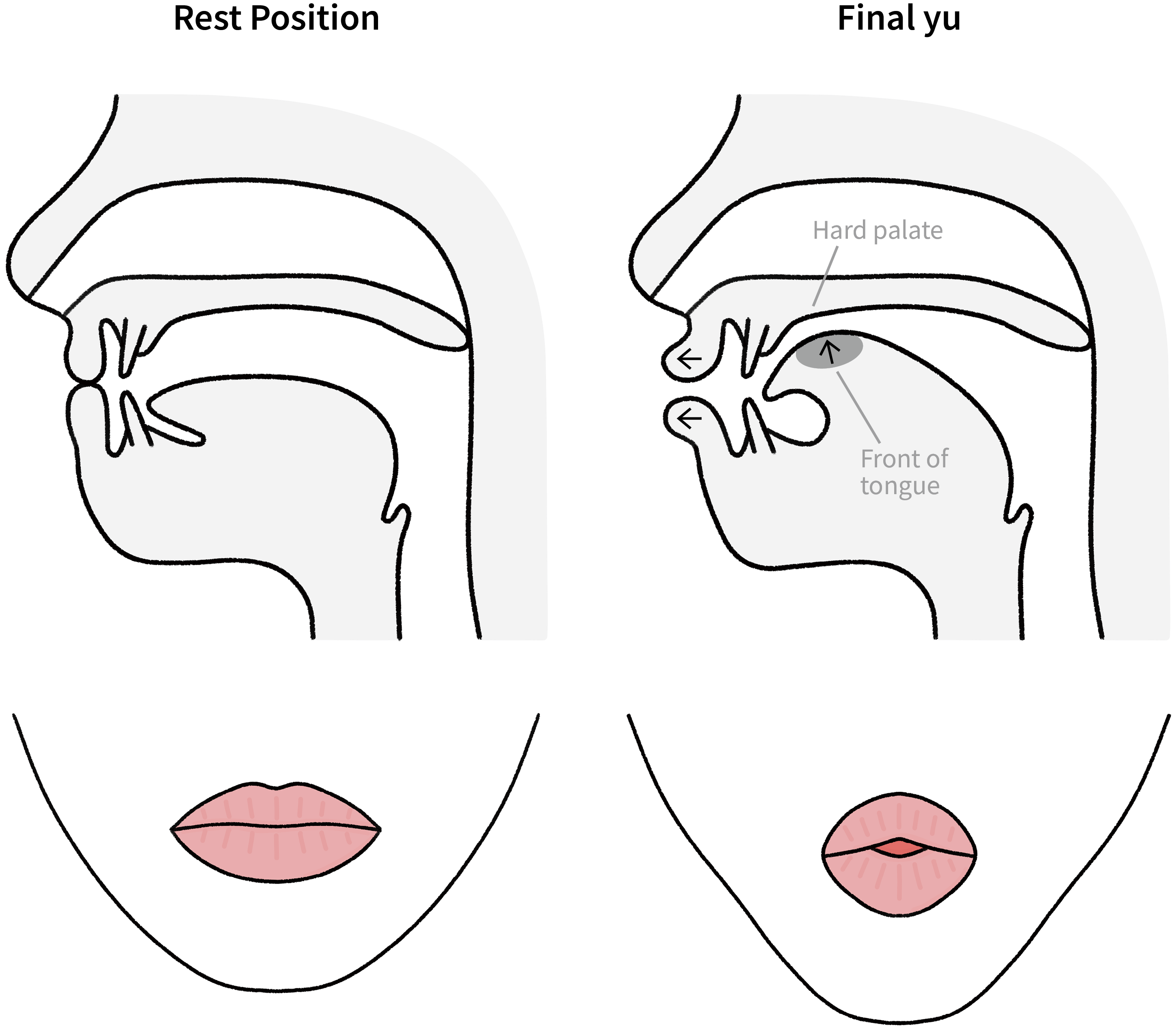
Hard palate: The part of your upper jaw just behind your alveolar ridge
Note that although the final yu has the letter y in the front, we don’t add the English y sound (as in the word yes) when we say the final yu. Don’t be confused by the letter y. Listen.
It is [yː], but not [jyː] with the [j] sound.
💡 Tips
If you find it difficult to produce the final yu, try the following trick. First, say the final i. Then, while keeping your tongue at the same position, round your lips tightly and you will get the final yu.
Listen.
i → yu
Practice Practice saying the syllables with the final yu. Listen and repeat.
- z ‒ yu ‒ zyu1
- s ‒ yu ‒ syu4
- c ‒ yu ‒ cyu5
7. Combining a Vowel with an Ending Consonant
In the previous lessons, we learned that we can combine a vowel with another vowel to form different finals.
We can also combine a vowel with an ending consonant to form different finals. There are two groups of ending consonants.
-m -n -ng
-p -t -k
Notice the ending consonants in the first group (-m, -n, and -ng) are nasal sounds, and those in the second group (-p, -t, -k) are not.
We will focus on the finals with -m, -n and -ng in this lesson, and those with -p, -t and -k in the next lesson.
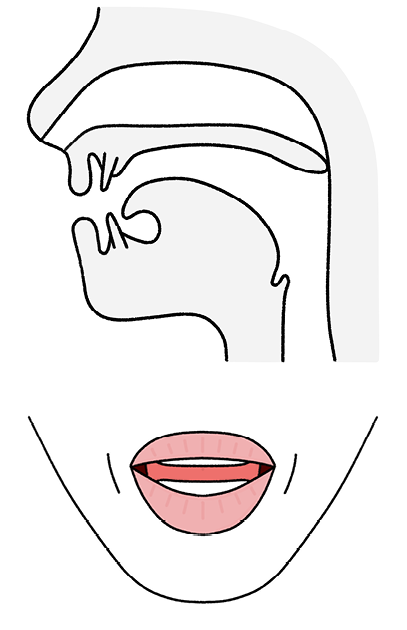
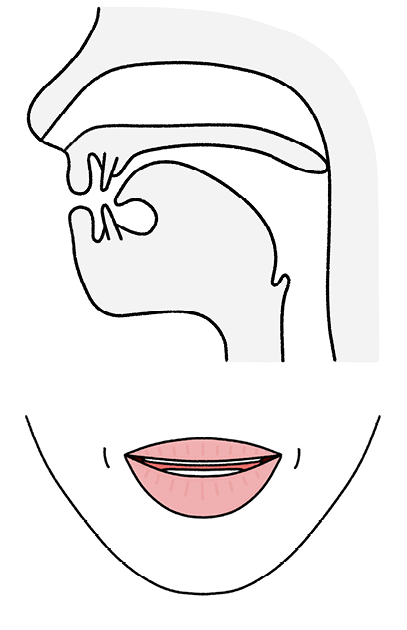
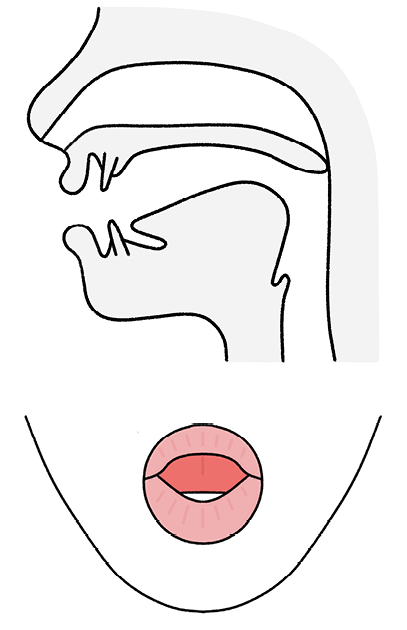
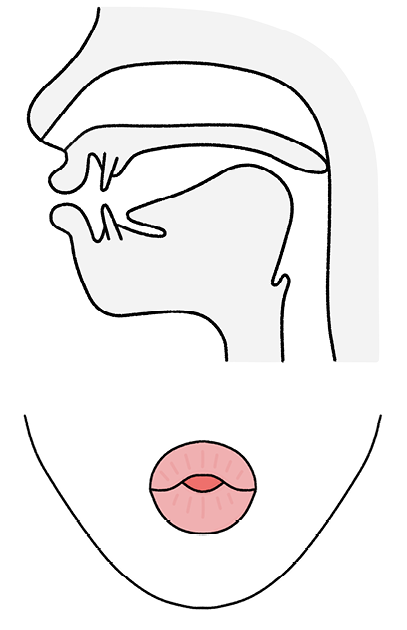
Before we move on, let’s first revise the vowels we have learned.
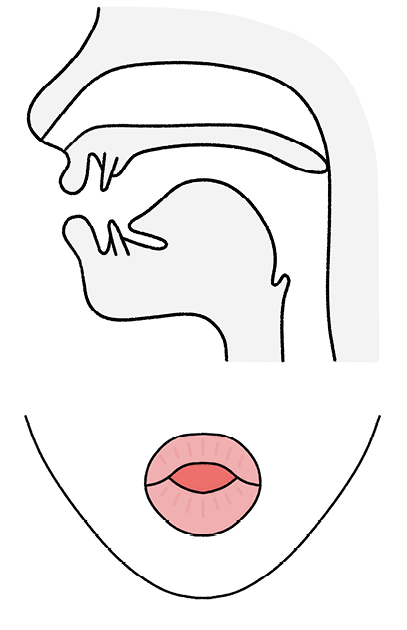
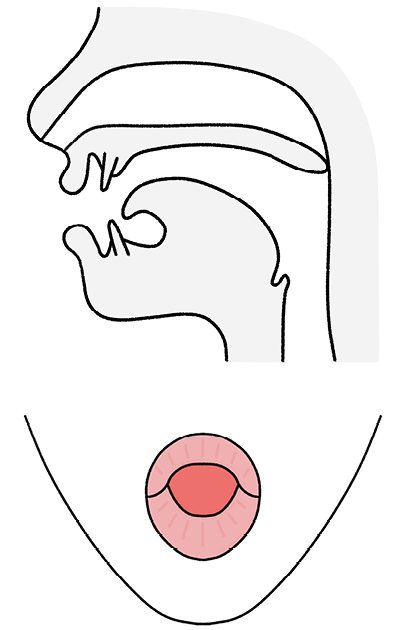
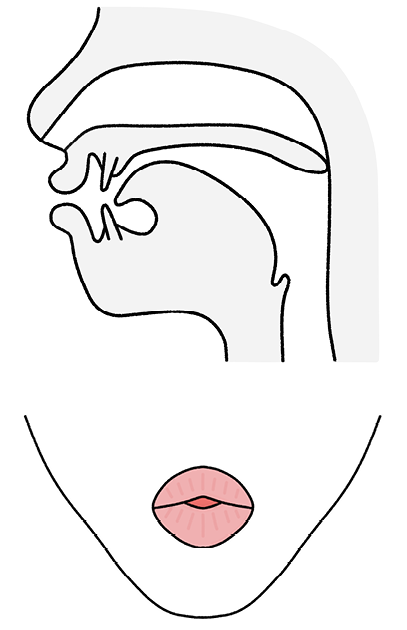
Listen and repeat.
| aa | a | e | i | o | u | eo | oe | yu |
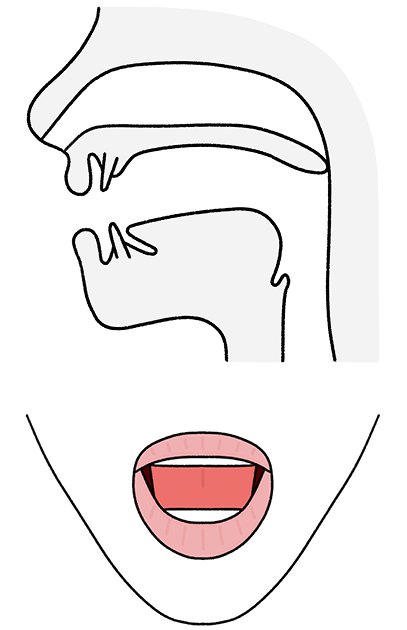 | 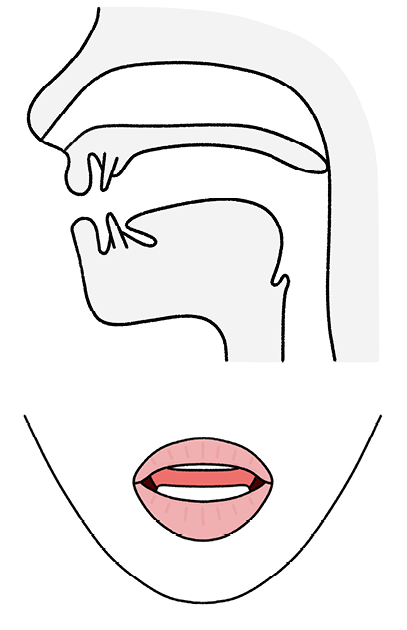 |  |  |  |  |  |  |  |
8. The Finals Ending with -m
Note that the final em only appears in very few words.
Step 1 Listen to the finals ending with -m.
- aam
- am
- em
- im
Step 2 Listen and repeat.
- aam
- am
- em
- im
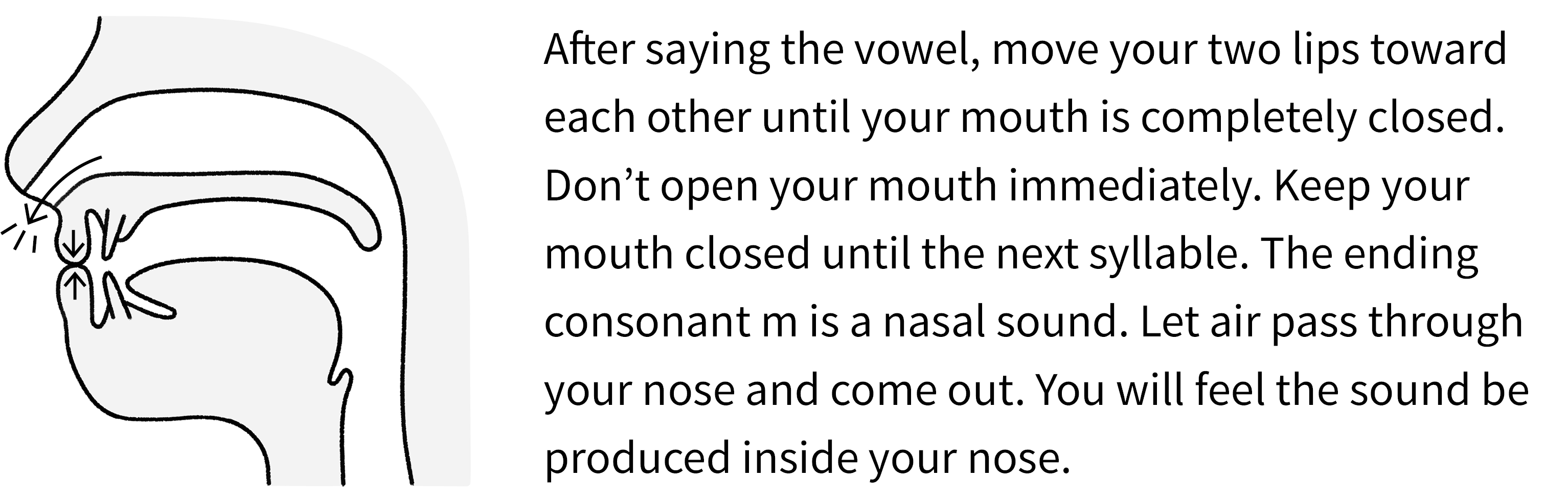
Practice Practice saying the syllables with the finals ending with -m. Listen and repeat.
The Final aam
- d ‒ aam ‒ daam1
- l ‒ aam ‒ laam2
- g ‒ aam ‒ gaam3
- h ‒ aam ‒ haam4
- n ‒ aam ‒ naam5
The Final am
- b ‒ am ‒ bam1
- s ‒ am ‒ sam2
- g ‒ am ‒ gam3
- c ‒ am ‒ cam4
- k ‒ am ‒ kam5
The Final em
l ‒ em ‒ lem2
The Final im
- h ‒ im ‒ him1
- d ‒ im ‒ dim2
- z ‒ im ‒ zim3
- t ‒ im ‒ tim4
- l ‒ im ‒ lim5
9. The Finals Ending with -n
Step 1 Listen to the finals ending with -n.
- aan
- an
- in
- on
- un
- eon
- yun
Step 2 Listen and repeat.
- aan
- an
- in
- on
- un
- eon
- yun
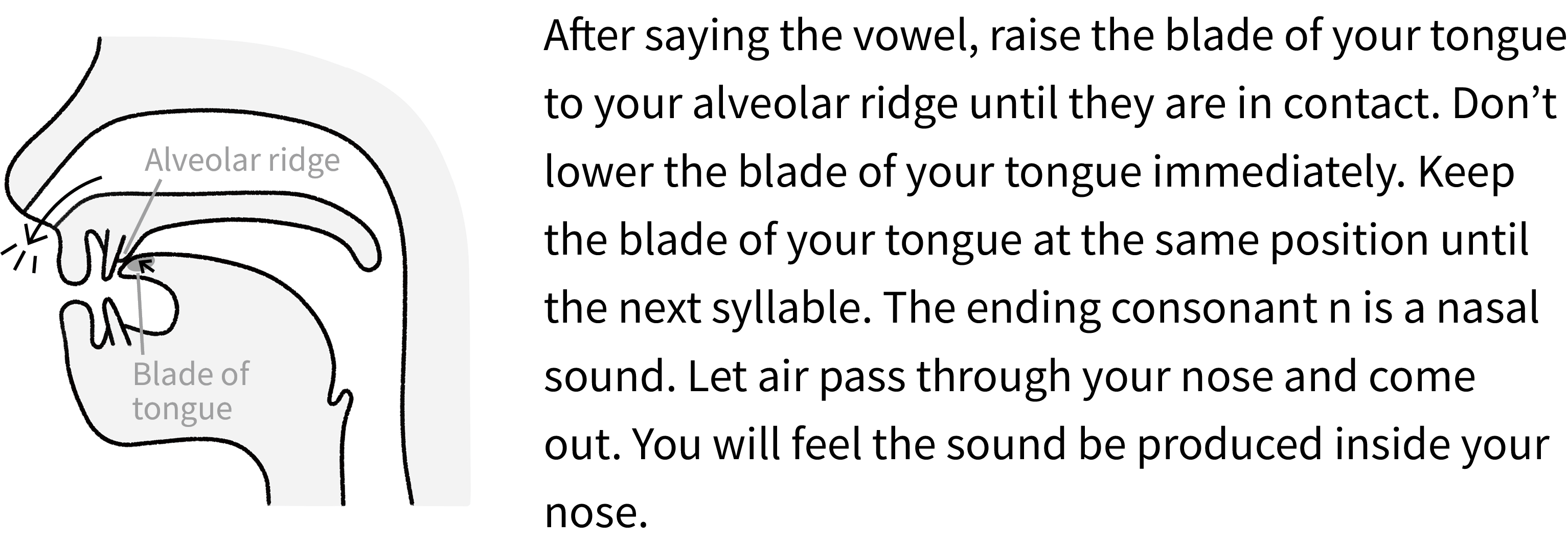
Blade of tongue: The flat part just behind your tongue tip
Alveolar ridge: The small ridge just behind your upper front teeth
Practice Practice saying the syllables with the finals ending with -n. Listen and repeat.
The Final aan
- h ‒ aan ‒ haan1
- b ‒ aan ‒ baan2
- z ‒ aan ‒ zaan3
- ng ‒ aan ‒ ngaan4
- l ‒ aan ‒ laan5
The Final an
- t ‒ an ‒ tan1
- f ‒ an ‒ fan2
- p ‒ an ‒ pan3
- ng ‒ an ‒ ngan4
- k ‒ an ‒ kan5
The Final in
- b ‒ in ‒ bin1
- c ‒ in ‒ cin2
- h ‒ in ‒ hin3
- n ‒ in ‒ nin4
- m ‒ in ‒ min5
The Final on
- g ‒ on ‒ gon3
- h ‒ on ‒ hon5
The Final un
- f ‒ un ‒ fun1
- b ‒ un ‒ bun2
- g ‒ un ‒ gun3
- p ‒ un ‒ pun4
- m ‒ un ‒ mun5
The Final eon
- d ‒ eon ‒ deon1
- s ‒ eon ‒ seon2
- z ‒ eon ‒ zeon3
- l ‒ eon ‒ leon4
- t ‒ eon ‒ teon5
The Final yun
- c ‒ yun ‒ cyun1
- d ‒ yun ‒ dyun2
- s ‒ yun ‒ syun3
- k ‒ yun ‒ kyun4
- n ‒ yun ‒ nyun5
10. The Finals Ending with -ng
Step 1 Listen to the finals ending with -ng. Pay attention to the vowels i in ing and u in ung. They sound slightly different from when we say them individually.
- aang
- ang
- eng
- ing
- ong
- ung
- oeng
Step 2 Listen and repeat.
- aang
- ang
- eng
- ing
- ong
- ung
- oeng
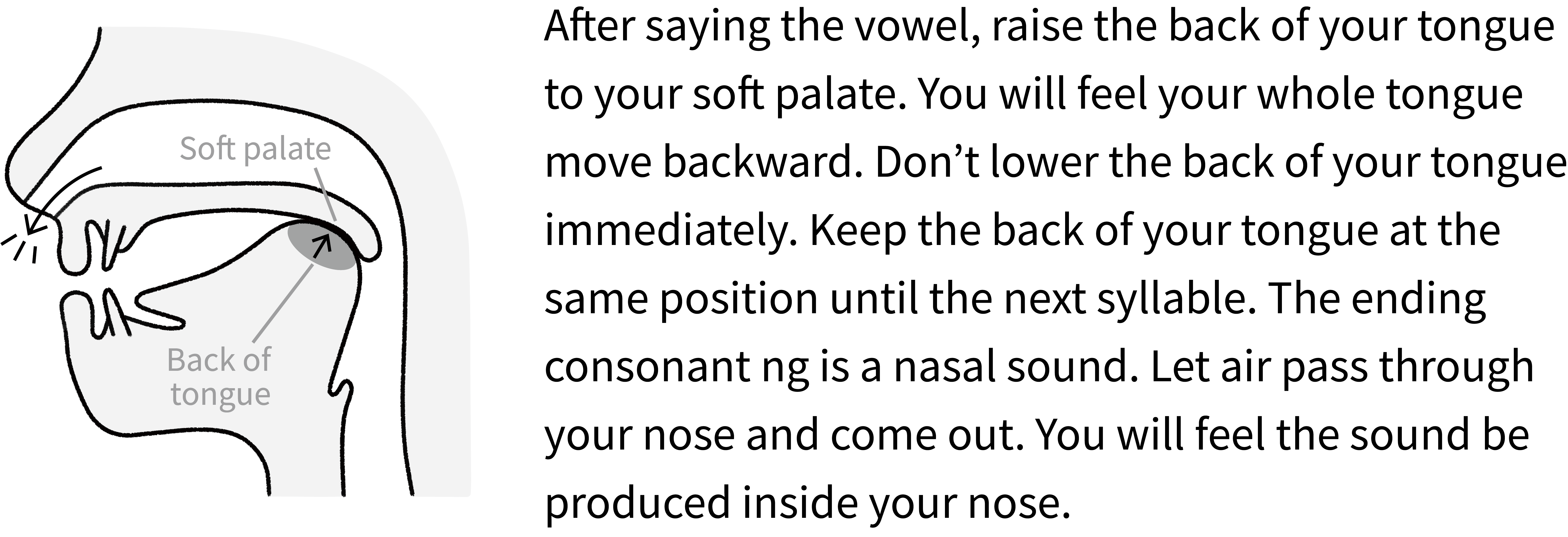
Soft palate: The back of the roof of your mouth
💡 Tips
When saying the vowel i in ing or the vowel u in ung, open your mouth a little more than when you say the vowel i or the vowel u individually.
Practice Practice saying the syllables with the finals ending with -ng. Listen and repeat.
The Final aang
- z ‒ aang ‒ zaang1
- s ‒ aang ‒ saang2
- c ‒ aang ‒ caang3
- h ‒ aang ‒ haang4
- l ‒ aang ‒ laang5
The Final ang
- b ‒ ang ‒ bang1
- m ‒ ang ‒ mang2
- d ‒ ang ‒ dang3
- t ‒ ang ‒ tang4
The Final eng
- c ‒ eng ‒ ceng1
- b ‒ eng ‒ beng2
- l ‒ eng ‒ leng3
- p ‒ eng ‒ peng4
- t ‒ eng ‒ teng5
The Final ing
- g ‒ ing ‒ ging1
- d ‒ ing ‒ ding2
- z ‒ ing ‒ zing3
- n ‒ ing ‒ ning4
- m ‒ ing ‒ ming5
The Final ong
- h ‒ ong ‒ hong1
- f ‒ ong ‒ fong2
- d ‒ ong ‒ dong3
- n ‒ ong ‒ nong4
- p ‒ ong ‒ pong5
The Final ung
- l ‒ ung ‒ lung1
- d ‒ ung ‒ dung2
- f ‒ ung ‒ fung3
- k ‒ ung ‒ kung4
- c ‒ ung ‒ cung5
The Final oeng
- g ‒ oeng ‒ goeng1
- z ‒ oeng ‒ zoeng2
- h ‒ oeng ‒ hoeng3
- s ‒ oeng ‒ soeng4
- k ‒ oeng ‒ koeng5
11. Revision Section A
Instructions for Questions 1 to 2
Follow the steps below to complete each question.
Step 1: Say the syllable or word aloud yourself.
Step 2: Listen to the recording and compare your pronunciation to the recording.
Step 3: Follow the recording and say the syllable or word again.
Question 1
Say the syllables below.
- fui3
- haang4
- bou3
- kan5
- zyu3
- fu5
- nin4
- ceon1
- mong5
- gam1
- soeng2
- paau3
- gon2
- lem2
- haai5
- ting1
- ngai4
- dim2
- la3
If you find this question challenging, practice with the additional recording below.
- f - ui – fui – fui1 fui2 fui3 – fui3
- h - aang – haang – haang1 haang2 haang3 haang4 – haang4
- b – ou – bou – bou1 bou2 bou3 – bou3
- k – an – kan – kan1 kan2 kan3 kan4 kan5 – kan5
- z – yu – zyu – zyu1 zyu2 zyu3 – zyu3
- f – u – fu – fu1 fu2 fu3 fu4 fu5 – fu5
- n – in – nin – nin1 nin2 nin3 nin4 – nin4
- c – eon – ceon – ceon1 – ceon1
- m – ong – mong – mong1 mong2 mong3 mong4 mong5 – mong5
- g – am – gam – gam1 – gam1
- s – oeng – soeng – soeng1 soeng2 – soeng2
- p – aau – paau – paau1 paau2 paau3 – paau3
- g – on – gon – gon1 gon2 – gon2
- l – em – lem – lem1 lem2 – lem2
- h – aai – haai – haai1 haai2 haai3 haai4 haai5 – haai5
- t – ing – ting – ting1 – ting1
- ng – ai – ngai – ngai1 ngai2 ngai3 ngai4 – ngai4
- d – im – dim – dim1 dim2 – dim2
- l – a – la – la1 la2 la3 – la3
Question 2
Say the words below.
- 餐廳 caan1 teng1 restaurant
- 教堂 gaau3 tong2 church
- 沙灘 saa1 taan1 beach
- 藍莓 laam4 mui2 blueberry
- 西芹 sai1 kan2 celery
- 蕃茄 faan1 ke2 tomato
- 橄欖 gaam3 laam2 olive
- 花生 faa1 sang1 peanut
12. Revision Section B
Instructions for Questions 1 to 5
Follow the steps below to complete each question.
Step 1: Say the sound, syllable or word aloud yourself.
Step 2: Listen to the recording and compare your pronunciation to the recording.
Step 3: Follow the recording and say the sound, syllable or word again.
Question 1
Say the initials below. Click the initials to hear the sounds. Click + to go to the page of each initial.
Question 2
Say the finals below. Click the finals to hear the sounds. Click + to go to the page of each final.
Question 3
Say the syllable si with the tones below. Click the tones to hear the sounds. Click + to go to the page of each tone.
Question 4
Say the syllables below.
- saan3
- fun1
- coi4
- ngau5
- zyun2
- ze5
- meu1
- leng3
- kiu4
- hoe1
- pang4
- bei2
- daa1
- lo4
- ci2
- taam5
- gung3
- neoi5
If you find this question challenging, practice with the additional recording below.
- s – aan – saan – saan1 saan2 saan3 – saan3
- f – un – fun – fun1 – fun1
- c – oi – coi – coi1 coi2 coi3 coi4 – coi4
- ng – au – ngau – ngau1 ngau2 ngau3 ngau4 ngau5 – ngau5
- z – yun – zyun – zyun1 zyun2 – zyun2
- z – e – ze – ze1 ze2 ze3 ze4 ze5 – ze5
- m – eu – meu – meu1 – meu1
- l – eng – leng – leng1 leng2 leng3 – leng3
- k – iu – kiu – kiu1 kiu2 kiu3 kiu4 – kiu4
- h – oe – hoe – hoe1 – hoe1
- p – ang – pang – pang1 pang2 pang3 pang4 – pang4
- b – ei – bei – bei1 bei2 – bei2
- d – aa – daa – daa1 – daa1
- l – o – lo – lo1 lo2 lo3 lo4 – lo4
- c – i – ci – ci1 ci2 – ci2
- t – aam – taam – taam1 taam2 taam3 taam4 taam5 – taam5
- g – ung – gung – gung1 gung2 gung3 – gung3
- n – eoi – neoi – neoi1 neoi2 neoi3 neoi4 neoi5 – neoi5
Question 5
Say the words below.
- 商場 soeng1 coeng4 mall
- 診所 can2 so2 clinic
- 檸檬 ning4 mung1 lemon
- 香蕉 hoeng1 ziu1 banana
- 蒜頭 syun3 tau4 garlic
- 西蘭花 sai1 laan4 faa1 broccoli
- 雞蛋 gai1 daan2 egg
- 鬆餅 sung1 beng2 muffin
Question 6
Listen to the following song. The song has a lot of syllables formed by the finals ending with -m, -n or -ng. Circle the correct finals of the syllables below. Note that each ◯ below represents one syllable.
是有種人 si6 jau5 zung2 jan4
何韻詩 ho4 wan5 si1
💡 Tips: Click the choices to see the answers.