Print or Export
唔該可唔可以俾多一對筷子我哋呀?
m4 goi1 ho2 m4 ho2 ji5 bei2 do1 jat1 deoi3 faai3 zi2 ngo5 dei6 aa3?
m4 goi1 ho2 m4 ho2 ji5 bei2 do1 jat1 deoi3 faai3 zi2 ngo5 dei6 aa3?
Listen and Speak
Step 1
Listen to the words for tableware. Match each word below to the correct number.
| 1. | 2. | 3. | 4. | 5. |
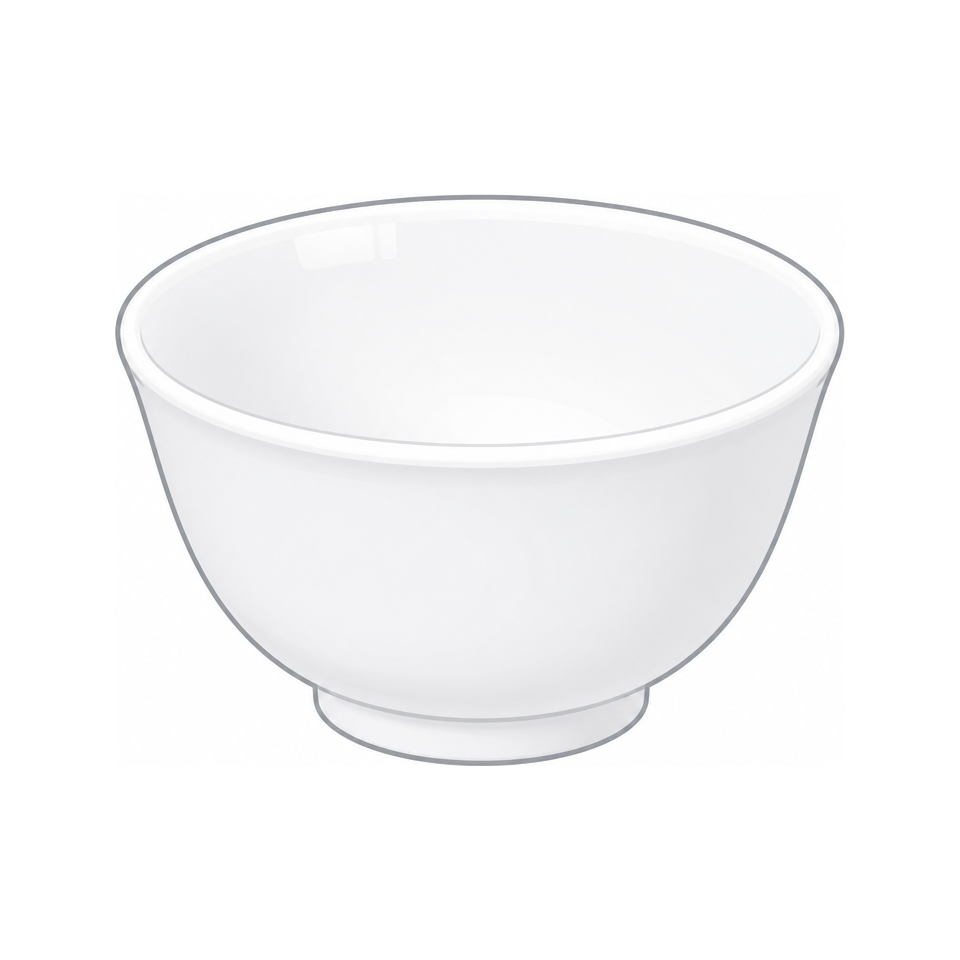 |  |  | 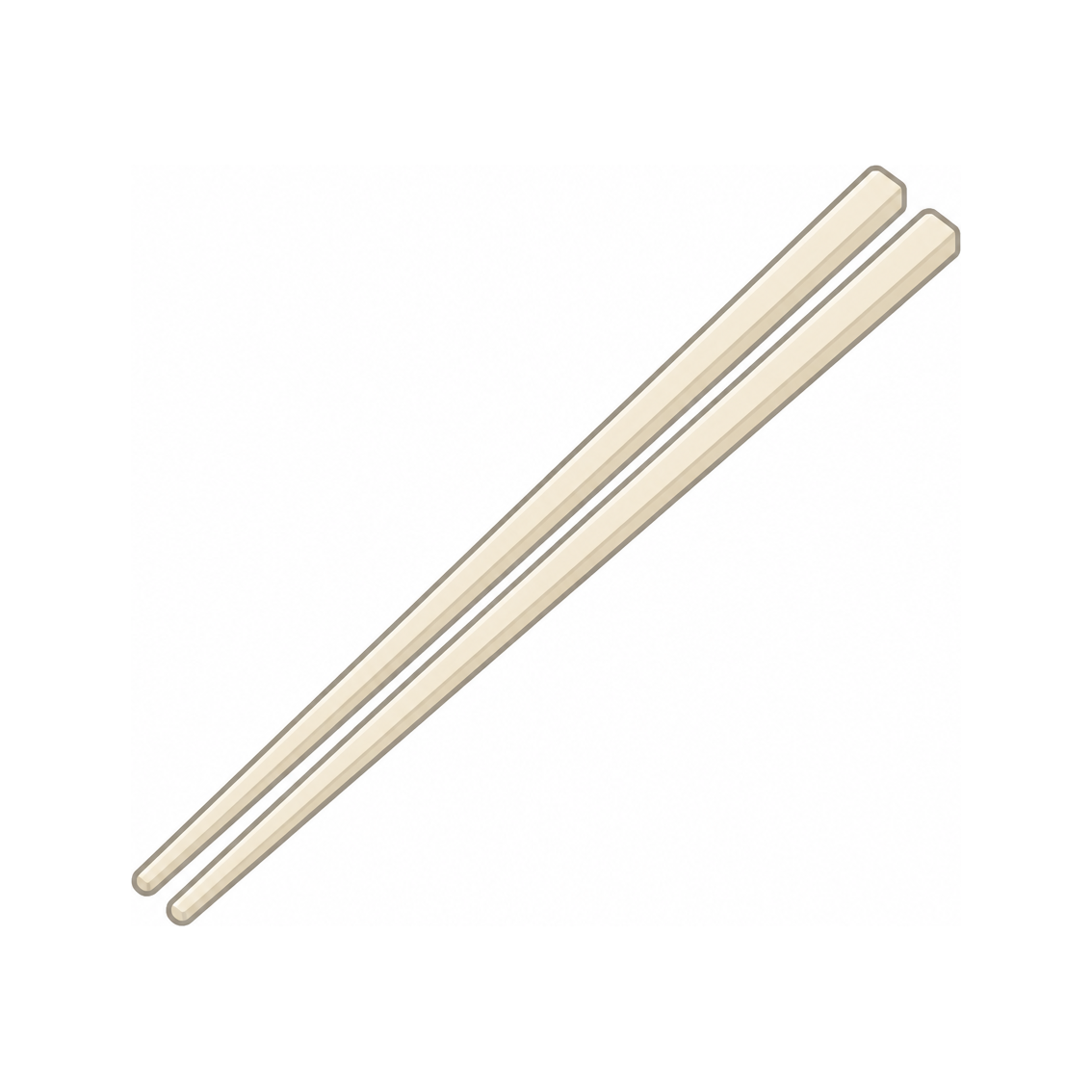 |  |
| ________ | ________ | ________ | ________ | ________ |
Step 2
Listen to a conversation. A guest will get a type of tableware from the server. Write down the type of tableware.
________| 客 haak3 | |
| 職員 zik1 jyun4 | |
A few moments later… | |
| 職員 zik1 jyun4 | |
| 客 haak3 |
Step 3
Listen to the conversation again. Read the script while listening. Check your answers.
| 客 haak3 | 唔該可唔可以俾多一對筷子我哋呀?我哋少咗一對筷子呀。 m4 goi1 ho2 m4 ho2 ji5 bei2 do1 jat1 deoi3 faai3 zi2 ngo5 dei6 aa3? ngo5 dei6 siu2 zo2 jat1 deoi3 faai3 zi2 aa3. Can you give one more pair of chopsticks to us, please? We have had one pair of chopsticks fewer. [= We are missing one pair of chopsticks.] |
| 職員 zik1 jyun4 | 唔好意思,請等一陣。 m4 hou2 ji3 si1, cing2 dang2 jat1 zan6. Sorry. Please wait a moment. |
A few moments later… | |
| 職員 zik1 jyun4 | 嗱,一對筷子。 naa4, jat1 deoi3 faai3 zi2. Here you go. One pair of chopsticks. |
| 客 haak3 | 唔該晒。 m4 goi1 saai3. Thank you so much. |
- 可以 ho2 ji5 = can
- 俾 bei2 = to give
- 多 do1 = more
- 對 deoi3 = (Classifier) pair
- 少 siu2 = fewer, less
- 嗱 naa4 = here you go
Step 4
Listen and repeat.
Step 5
Replace the highlighted words in the script with the other types of tableware above to make your conversations. Use the classifier 隻 zek3 or 個 go3 with the other types of tableware. Try to say different numbers.
Grammar and Vocabulary
In the Grammar and Vocabulary section, you will learn:
- 多 do1 (‘many, much; more’) and 少 siu2 (‘few, little; fewer, less’)
- The Verb 俾 / 畀 / 比 bei2 (‘to give’)
- The Modal Verb 可以 ho2 ji5 (‘can’)
- The Verbal Particle 埋 maai4 II (‘up’)
- The Verbal Particle 返 / 番 / 翻 faan1 I (‘left’)
- Definite and Indefinite Noun Phrases II
- Vocabulary List
- Vocabulary: Tableware
32.1 多 do1 (‘many, much; more’) and 少 siu2 (‘few, little; fewer, less’)
多 do1 means ‘many, much’, and 少 siu2 means ‘few, little’. We put 多 do1 or 少 siu2 before a noun. We usually add a degree word before 多 do1 or 少 siu2.
We combine the degree word 好 hou2 (‘very’) and 多 do1 (‘many, much’) to mean ‘a lot’.
We combine the degree word 好 hou2 (‘very’) and 少 siu2 (‘few, little’) to mean ‘very few, very little’.
We can also use other degree words (e.g., 勁 ging6 ‘strongly’, 超 ciu1 ‘super’).
We can say 少 siu2 twice to form the expression 少少 siu2 siu2, which means ‘a few, a little’. We don’t add a degree word before 少少 siu2 siu2. Note that we don’t have the expression 多多 do1 do1.
We can use 多 do1 with the verb 有 jau5 (‘to have’) to form a sentence.
We can use 少 siu2 with the verb 得 dak1 (‘to only have’) to form a sentence.
We can use 少少 siu2 siu2 with 有 jau5 (‘to have’) or 得 dak1 (‘to only have’) to form a sentence.
We can use 有冇 jau5 mou5 (‘to have + to not have’) to ask if there is something. When answering this type of question, we can omit the noun and say only the quantity.
| A: | 仲有冇湯呀? zung6 jau5 mou5 tong1 aa3? Is there still soup? |
| B: | → 仲有好多呀。 zung6 jau5 hou2 do1 aa3. There is still a lot. → 仲有少少呀。 zung6 jau5 siu2 siu2 aa3. There is still a little. The noun 湯 tong1 is omitted in the answers. |
多 do1 can also mean ‘more’, and 少 siu2 can also mean ‘fewer, less’. We use the following structure to express these meanings:
When the number is 一 jat1, we can optionally omit 一 jat1.
For plural (without an exact quantity) or uncountable nouns, we can use the classifier 啲 di1.
We usually omit 啲 di1 in some contracted expressions, such as the special requirements for food or drinks we learned previously.
多啲飯 → 多飯
do1 di1 faan6 → do1 faan6
more rice
少啲冰 → 少冰
siu2 di1 bing1 → siu2 bing1
less ice
We can also use 多啲 do1 di1 (‘more’) or 少啲 siu2 di1 (‘fewer, less’) alone.
你食多啲啦。
nei5 sik6 do1 di1 laa1.
Why don’t you eat more?
你飲少啲啦。
nei5 jam2 siu2 di1 laa1.
Why don’t you drink less?
We often add the aspect particle 咗 zo2 after 多 do1 or 少 siu2 if we want to indicate that the quantity of something is different from the expected or previous quantity.
32.2 The Verb 俾 / 畀 / 比 bei2 (‘to give’)
The verb 俾 bei2 (also written as 畀 or 比) means ‘to give’. We can put two objects after 俾 bei2. The first one is a direct object (the thing given out). The second one is an indirect object (the recipient, i.e. the person who receives the thing). Notice the direct object is put before the indirect object.
We can omit the direct object if it is obvious in the context.
When we use a verb with the sense of giving, getting or creating something (e.g., 遞 dai6 ‘to pass’, 夾 gaap3 / gaap6 / gep6 ‘to pick up’), we can add 俾 bei2 to indicate the recipient using the sentence structure below. 俾 bei2 in this structure functions like the English preposition to (as in please pass the bowl to me). In grammar, this is also a type of serial verb construction.
32.3 The Modal Verb 可以 ho2 ji5 (‘can’)
The modal verb 可以 ho2 ji5 means ‘can’. We use it to indicate it is possible for someone to do an activity, or someone is allowed to do an activity. We put a verb for the activity after 可以 ho2 ji5.
We put 唔 m4 (‘not’) before 可以 ho2 ji5 to negate 可以 ho2 ji5.
We use the X-not-X construction to form yes-no questions with 可以 ho2 ji5. Notice X will be 可以 ho2 ji5 instead of the verb behind it.
我可唔可以飲多碗湯呀?
ngo5 ho2 m4 ho2 ji5 jam2 do1 wun2 tong1 aa3?
Can I drink one more bowl of soup?
We can contract 可唔可以 ho2 m4 ho2 ji5 to可摸耳 / 可摸以 ho2 mo2 ji5. Notice we don’t usually use the written form 可摸耳 / 可摸以 unless we try to be funny.
我可摸耳飲多碗湯呀?
ngo5 ho2 mo2 ji5 jam2 do1 wun2 tong1 aa3?
Can I drink one more bowl of soup?
To answer the question, we can give a long answer or a short answer. We give a short answer more often. We form a short answer by omitting the subject, the verb after 可以 and the object in the long answer.
For negative answers, we usually explain the reason instead.
| A: | 我可唔可以飲多碗湯呀? ngo5 ho2 m4 ho2 ji5 jam2 do1 wun2 tong1 aa3? Can I drink one more bowl of soup? |
| B: | 我仲未飲呀。 ngo5 zung6 mei6 jam2 aa3. I still haven’t drunk yet. |
We also often use 可唔可以 ho2 m4 ho2 ji5 to make a polite request. To accept a request, we can say 好呀 hou2 aa3 or 可以呀 ho2 ji5 aa3. To refuse a request, we usually explain the reason for refusal.
| A: | 你可唔可以𢳂啲湯俾我呀? nei5 ho2 m4 ho2 ji5 bat1 di1 tong1 bei2 ngo5 aa3? Can you spoon some soup to me? |
| B: | Positive: → 好呀。 hou2 aa3. Good. [= Sure.] → 可以呀。 ho2 ji5 aa3. Yes. Negative: → 冇晒喇。 mou5 saai3 laa3. It’s all gone already. |
32.4 The Verbal Particle 埋 maai4 II (‘up’)
In Grammar and Vocabulary 23.6, we learned that the verbal particle 埋 maai4 can add the meaning of ‘as well’ to a sentence.
The verbal particle 埋 maai4 can also add the meaning of ‘up’ to the verb (as in to eat up the fried rice). When a task is incomplete and part of the task remains unfinished, we can use 埋 maai4 to indicate that the remaining part will be completed so that the whole task is completely finished. In the context of this lesson, part of a dish is not eaten. We use 埋 maai4 to indicate the remaining part can be eaten so that the whole dish is eaten up.
你可以食埋啲炒飯。
nei5 ho2 ji5 sik6 maai4 di1 caau2 faan6.
You can eat up the fried rice.
Some of the fried rice is left. The speaker asks the listener to eat it up.
你可以飲埋啲湯。
nei5 ho2 ji5 jam2 maai4 di1 tong1.
You can drink up the soup.
Some of the soup is left. The speaker asks the listener to drink it up.
32.5 The Verbal Particle 返 / 番 / 翻 faan1 I (‘left’)
The verbal particle 返 faan1 (also written as 番 or 翻) can add the meaning of ‘left’ to the sentence (as in there are two cans of beer left). We use 返 faan1 to indicate that a certain quantity of something is left, in comparison to the original quantity. We only use 返 faan1 with several verbs to express this meaning. In this lesson, we will use 返 faan1 with the verbs 得 dak1 (‘to only have’) and 剩 zing6 (‘to remain’, also written as 淨).
得返兩罐啤酒咋。
dak1 faan1 loeng5 gun3 be1 zau2 zaa3.
There are only two cans of beer left.
剩返兩罐啤酒咋。
zing6 faan1 loeng5 gun3 be1 zau2 zaa3.
Only two cans of beer remain left.
We also use 返 faan1 with the verb 留 lau4 (‘to keep’) to indicate a certain quantity of something is kept, in comparison to the original quantity if nothing is kept.
留返一碗湯俾你吖。
lau4 faan1 jat1 wun2 tong1 bei2 nei5 aa1.
Let me keep one bowl of soup left to you.
The verbal particle 返 faan1 indicates that one bowl of soup is kept, in comparison to the original quantity when no soup is kept.
32.6 Definite and Indefinite Noun Phrases II
In Grammar and Vocabulary 31.3, we learned that when a noun phrase appears after a verb (as an object or a subject complement) and only has the classifier and the noun, it can be a definite noun phrase or an indefinite noun phrase.
We can usually decide whether a noun phrase is definite or indefinite based on the meaning of the sentence. However, there are instances where a noun phrase can be interpreted as both definite and indefinite if we consider the meaning of the sentence alone. In such cases, we will need other information in the context to decide whether the noun phrase is definite or indefinite.
你俾隻碗我吖。
nei5 bei2 zek3 wun2 ngo5 aa1.
Give me the bowl. / Give me a bowl.
This sentence has two possible interpretations because the noun phrase 隻碗 zek3 wun2 can be understood as definite (‘the bowl’) and indefinite (‘a bowl’). Other information in the context is needed to decide the correct interpretation. For example, if the speaker is pointing to a specific bowl on the table, the definite interpretation (‘the bowl’) is more likely. If the speaker is getting a new bowl from the server, the indefinite interpretation (‘a bowl’) is more likely.
32.7 Vocabulary List
32.8 Vocabulary: Tableware
The rightmost column is the classifiers we use with the nouns.
Communication
In the Communication section, you will learn:
- Getting Help at a Restaurant II
Getting Help at a Restaurant II
During a meal, we may need help from the server or from our companions. We will learn about other common types of help below.
Taking photos
If we want the server to help us to take a photo, we can say:
If we are taking photos ourselves and the server notices that, they may offer to help.
Getting something from servers
If we want to get something from the server, we can say:
If we are missing something, we can say:
Getting something from companions
If we want to get something from our companions, we can say:
If our companions want to pick up food for us, they may say:
Route A: Yes
Route B: No
When our companions want to check if we have eaten something, they may say:
Route A: Yes
Route B: No
Checking availability
If we want to check if something is still available, we can ask:
Route A: A lot left
Route B: A little left
- This is one of the rare situations where 佢 refers to something inanimate.
Route C: Nothing left
To check if we can eat more of something, we can ask:
Exercises
Exercise 1
Complete the descriptions.
1.
________ means ‘many, much’ or ‘more’. ________ means ‘few, little’ or ‘fewer, less’. We combine the degree word ________ with ________ to mean ‘a lot’ or with ________ to mean ‘very few, very little’.
2.
The verb ________ means ‘to give’.
3.
We use the modal verb ________ to indicate it is possible for someone to do an activity, or someone is allowed to do an activity.
4.
The verb particle ________ can add the meaning of ‘up’ to the verb.
5.
The verb particle ________ can add the meaning of ‘left’ to the sentence.
Exercise 2
Rearrange the words to complete the sentences. Then, listen to the recordings to check your answers. Finally, repeat after the recordings.
Example
ho2 m4 ho2 ji5 bei2 go3 hap2 ngo5 dei6 aa3?
Can you give a box to us?
1.
ho2 m4 ho2 ji5 ________ aa3?
________
2.
ho2 m4 ho2 ji5 ________ aa3?
________
3.
ho2 m4 ho2 ji5 ________ aa3?
________
4.
ho2 m4 ho2 ji5 ________ aa3?
________
5.
ho2 m4 ho2 ji5 ________ aa3?
________
6.
ho2 m4 ho2 ji5 ________ aa3?
________
Exercise 3
Follow the example to complete the sentences. Then, listen to the recordings to check your answers. Finally, repeat after the recordings.
Example
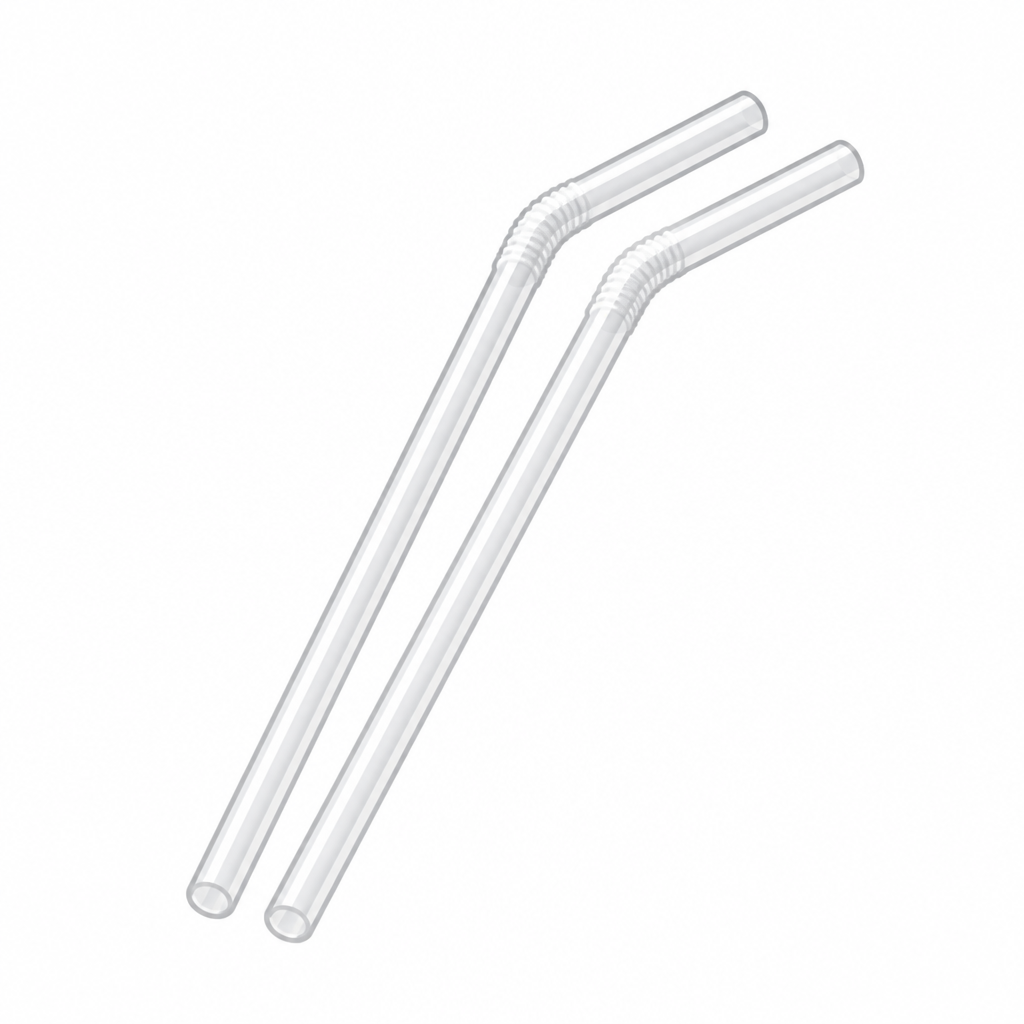
唔該可唔可以俾多兩支飲筒我哋呀?
m4 goi1 ho2 m4 ho2 ji5 bei2 do1 loeng5 zi1 jam2 tung2 ngo5 dei6 aa3?
Can you give two more straws to us, please?
1.

________
2.
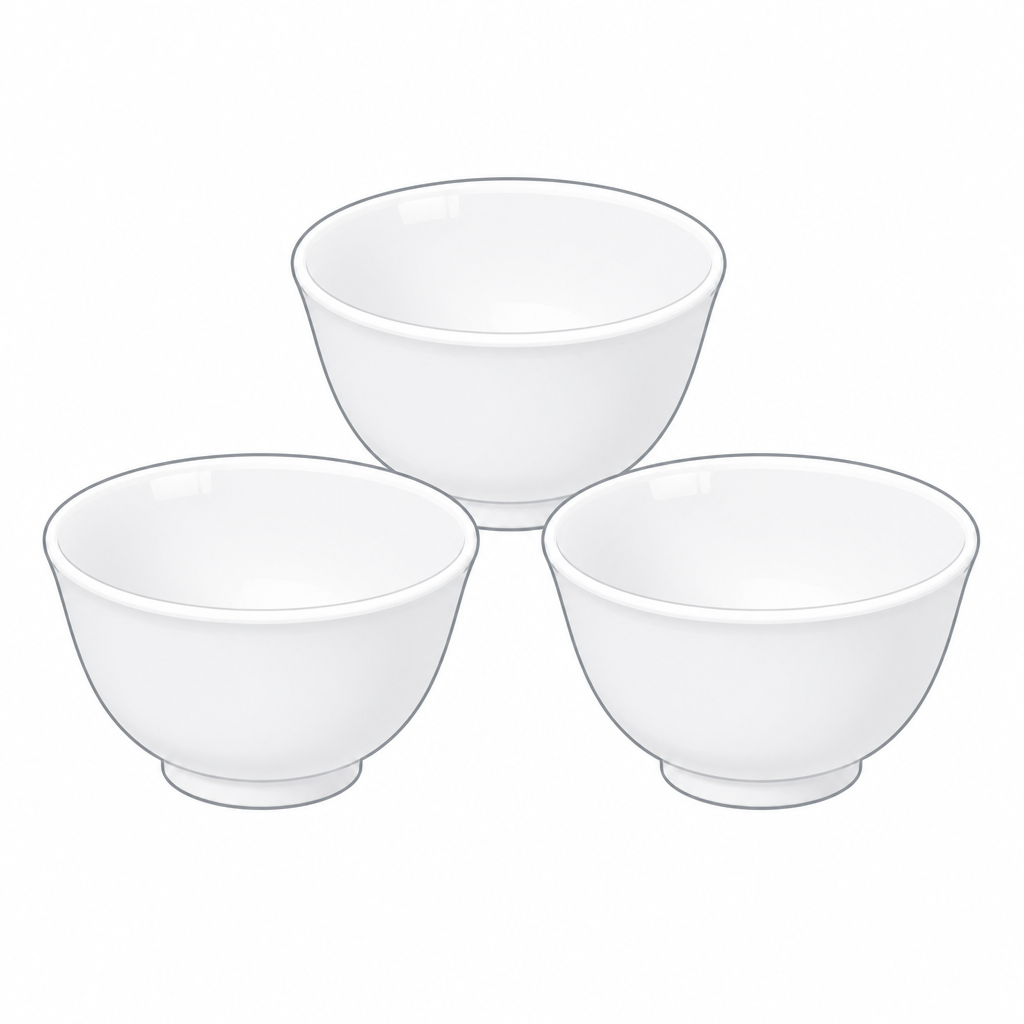
________
3.
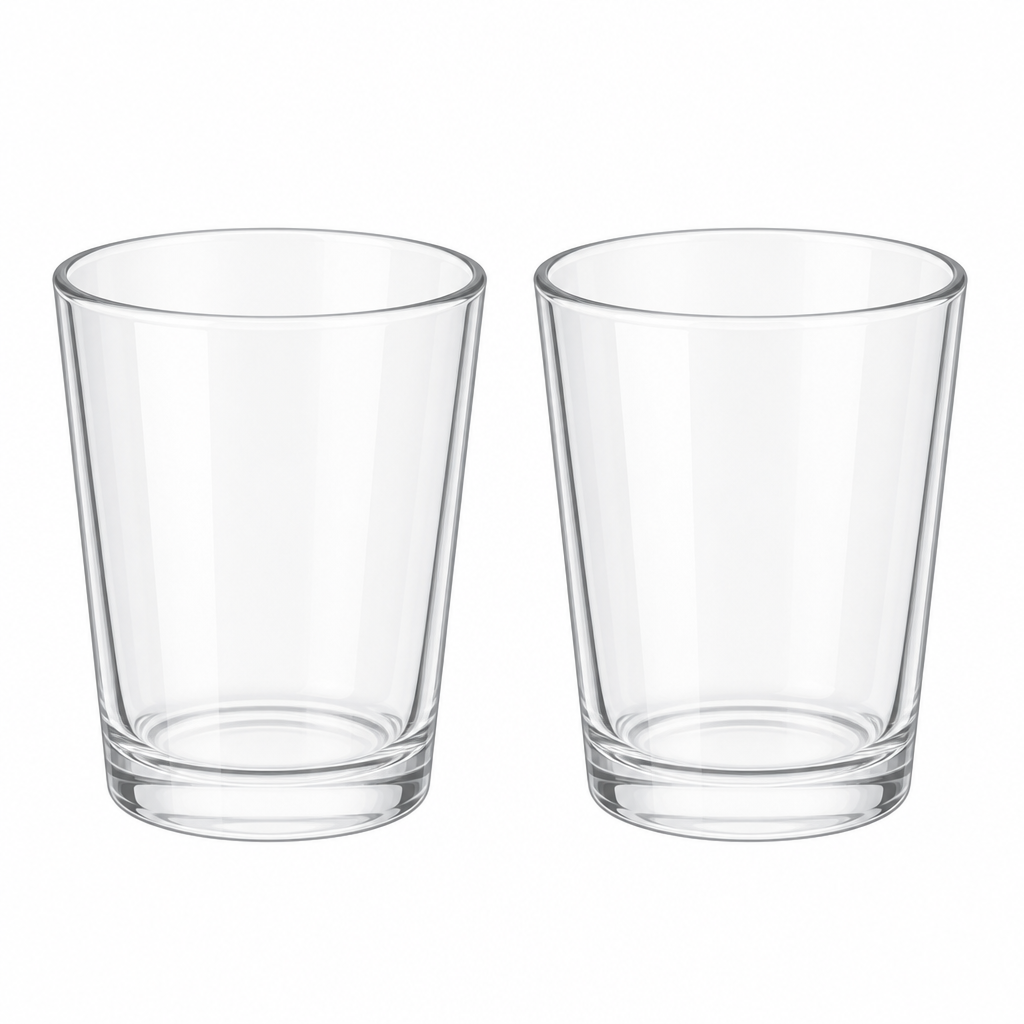
________
4.

________
5.
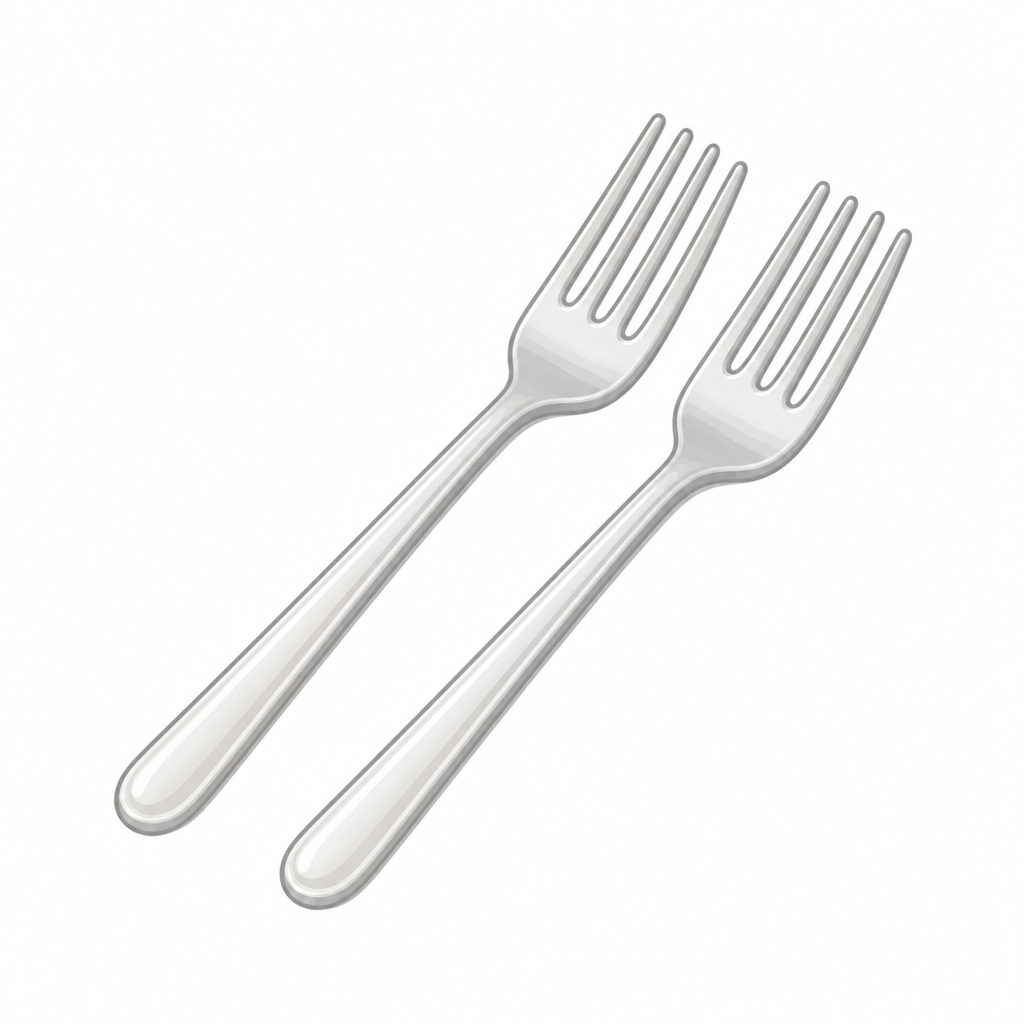
________
6.

________
Exercise 4
Listen to A and choose the correct responses for B. Each question may have more than one correct response or none. Then, check your answers. Finally, repeat after the recordings.
Example
| A | 唔該我哋少咗一對筷子呀。 m4 goi1 ngo5 dei6 siu2 zo2 jat1 deoi3 faai3 zi2 aa3. We have had one pair of chopsticks fewer, please. [= We are missing one pair of chopsticks, please.] | ||||
| B |
|
1.
| A | ________ | ||||
| B |
|
2.
| A | ________ | ||||
| B |
|
3.
| A | ________ | ||||
| B |
|
4.
| A | ________ | ||||
| B |
|
5.
| A | ________ | ||||
| B |
|
6.
| A | ________ | ||||
| B |
|
Activities
Activity 1
Listen to five conversations. After each conversation, listen to the question and answer it in a complete sentence.
Conversation 1
________________
| 客 haak3 | |
| 職員 zik1 jyun4 | |
| 客 haak3 |
Conversation 2
________________
| A | |
| B | |
| A | |
| B | |
| A | |
| B | |
| A |
Conversation 3
________________
| A | |
| B | |
| A | |
| B | |
| A | |
| B | |
| A |
Conversation 4
________________
| A | |
| B | |
| A | |
| B |
Conversation 5
________________
| 客 haak3 | |
| 職員 zik1 jyun4 | |
| 客 haak3 |
Transcripts with Translation
Conversation 1
| 客 haak3 | 唔該可唔可以俾多兩隻羹我哋呀?少咗兩隻羹呀。 m4 goi1 ho2 m4 ho2 ji5 bei2 do1 loeng5 zek3 gang1 ngo5 dei6 aa3? siu2 zo2 loeng5 zek3 gang1 aa3. Can you give two more spoons to us, please? We have had two spoons fewer. [= We are missing two spoons.] |
| 職員 zik1 jyun4 | 唔好意思,請等一陣。 m4 hou2 ji3 si1, cing2 dang2 jat1 zan6. Sorry. Please wait a moment. |
| 客 haak3 | 唔該晒。 m4 goi1 saai3. Thank you so much. |
Conversation 2
| A | 唔該可唔可以幫我夾啲麵呀? m4 goi1 ho2 m4 ho2 ji5 bong1 ngo5 gaap3 di1 min6 aa3? Can you pick up some noodles for me, please? |
| B | 好呀,你俾隻碗我吖。 hou2 aa3, nei5 bei2 zek3 wun2 ngo5 aa1. Good. [= Sure.] Give the bowl to me. |
| A | 嗱。 naa4. Here you go. |
| B | 仲有好多呀,我夾多啲俾你吖。 zung6 jau5 hou2 do1 aa3, ngo5 gaap3 do1 di1 bei2 nei5 aa1. There is still a lot. Let me pick up more to you. |
| A | 好呀。 hou2 aa3. Good. |
| B | 嗱。 naa4. Here you go. |
| A | 唔該晒。 m4 goi1 saai3. Thank you so much. |
Conversation 3
| A | 仲有冇粥呀? zung6 jau5 mou5 zuk1 aa3? Is there still congee? |
| B | 得返少少咋,你可以食埋佢。 dak1 faan1 siu2 siu2 zaa3, nei5 ho2 ji5 sik6 maai4 keoi5. There is only a little left. You can eat up it. |
| A | 好呀,唔該可唔可以幫我𢳂呀? hou2 aa3, m4 goi1 ho2 m4 ho2 ji5 bong1 ngo5 bat1 aa3? Good. [= Sure.] Can you spoon for me, please? |
| B | 好呀,你遞隻碗俾我吖。 hou2 aa3, nei5 dai6 zek3 wun2 bei2 ngo5 aa1. Good. [= Sure.] Pass the bowl to me. |
| A | 嗱。 naa4. Here you go. |
| B | 嗱。 naa4. Here you go. |
| A | 唔該晒。 m4 goi1 saai3. Thank you so much. |
Conversation 4
| A | 你飲咗湯未呀? nei5 jam2 zo2 tong1 mei6 aa3? Have you drunk soup yet? |
| B | 未呀。 mei6 aa3. Not yet. |
| A | 噉留返一碗俾你吖。 gam2 lau4 faan1 jat1 wun2 bei2 nei5 aa1. Let me keep one bowl left to you then. |
| B | 好呀,我一陣飲。 hou2 aa3, ngo5 jat1 zan6 jam2. Good. I will drink it in a moment. |
Conversation 5
| 客 haak3 | 唔該可唔可以幫我哋影張相呀? m4 goi1 ho2 m4 ho2 ji5 bong1 ngo5 dei6 jing2 zoeng1 soeng2 aa3? Can you take a photo for us, please? |
| 職員 zik1 jyun4 | 好呀,三,二,一,笑。 hou2 aa3, saam1, ji6, jat1, siu3. Good. [= Sure.] Three, two, one, smile. |
影多一張呀吓,三,二,一,笑。 jing2 do1 jat1 zoeng1 aa3 haa2, saam1, ji6, jat1, siu3. I will take one more. Three, two, one, smile. | |
| 客 haak3 | 唔該晒。 m4 goi1 saai3. Thank you so much. |
Activity 2
Form a pair. Get a set of tableware cards. In each round, one of you will be the guest, and one of you will be the server. The guest will draw a tableware card. Make a conversation to get the item on the card from the server. Swap your roles after each round. Continue until all the cards are used.
Tableware cards
Activity 3
Form a group of four. Get a set of word cards. Imagine you are having a meal together. In each round, one person will draw a word card. There will be two words on the card. The person needs to use the two words to make a conversation with other people.
Word Cards