Print or Export
你識咩語言㗎?
nei5 sik1 me1 jyu5 jin4 gaa3?
nei5 sik1 me1 jyu5 jin4 gaa3?
Listen and Speak
Step 1
Listen to the names of five languages. Guess which languages they are.
Hint:
日本 + 文 = 日文
jat6 bun2 + man2 = jat6 man2
Japan + language = Japanese
Step 2
Listen to a conversation. The speakers will talk about languages they know or are learning. Write down the languages each speaker knows or is learning.
| Judy | |
| Marcus | |
| Judy | |
| Marcus | |
| Judy |
Step 3
Listen to the conversation again. Read the script while listening. Circle the correct words in the description below.
| Judy | 你識咩語言㗎? nei5 sik1 me1 jyu5 jin4 gaa3? What languages do you know? |
| Marcus | 我識廣東話、英文同日文嘅,你呢? ngo5 sik1 gwong2 dung1 waa2, jing1 man2 tung4 jat6 man2 ge3, nei5 ne1? I know Cantonese, English and Japanese. How about you? |
| Judy | 我識英文同廣東話嘅,而家學緊韓文。 ngo5 sik1 jing1 man2 tung4 gwong2 dung1 waa2 ge3, ji4 gaa1 hok6 gan2 hon4 man2. I know English and Cantonese. I am learning Korean now. |
| Marcus | 你點解學韓文嘅? nei5 dim2 gaai2 hok6 hon4 man2 ge2? Why do you learn Korean? |
| Judy | 因為我遲啲會去韓國讀書。 jan1 wai6 ngo5 ci4 di1 wui5 heoi3 hon4 gwok3 duk6 syu1. Because I will go to Korea to study later. |
- 語言 jyu5 jin4 = language
- 識 sik1 = to know
- 而家 ji4 gaa1 = now
- 學 hok6 = to learn
- 點解 dim2 gaai2 = why
- 因為 jan1 wai6 = because
- 遲啲 ci4 di1 = later
- 會 wui5 = will
- 所以 so2 ji5 = so
Step 4
Listen and repeat the conversation.
Step 5
Replace the highlighted words in the script with the words below to make your conversations.
Grammar and Vocabulary
In the Grammar and Vocabulary section, you will learn:
- The Verb 識 sik1 (‘to know’)
- The Sentence Particle 咋 zaa3 I (‘only’)
- Time Adverbs
- The Aspect Particle 過 gwo3 (Experiential)
- The Question Word 點解 dim2 gaai2 (‘why’)
- Introduction to Conjunctions for Connecting Clauses
- The Conjunctions 因為 jan1 wai6 (‘because’) and 所以 so2 ji5 (‘so’)
- Subject Omission I
- Vocabulary List
- Vocabulary: Languages
- Vocabulary: Reasons for Knowing a Language
- Vocabulary: Reasons for Learning a Language
9.1 The Verb 識 sik1 (‘to know’)
In Grammar and Vocabulary 4.6, we learned the modal verb 識 sik1 (‘to know how to’). We learned that we can put a verb phrase for a skill or an activity after 識 sik1.
The word 識 sik1 can also be a verb. When 識 sik1 is a verb, it means ‘to know’. We put a noun (e.g., a language or a person) after it.
9.2 The Sentence Particle 咋 zaa3 I (‘only’)
We can use the sentence particle 咋 zaa3 to add the meaning of ‘only’ to a sentence.
我識英文。
ngo5 sik1 jing1 man2.
I know English.
↓
我識英文咋。
ngo5 sik1 jing1 man2 zaa3.
I only know English.
We often use 咋 zaa3 together with the adverb 淨係 zing6 hai6, which also means ‘only’. We put 淨係 zing6 hai6 before the verb we want to modify.
我淨係識英文咋。
ngo5 zing6 hai6 sik1 jing1 man2 zaa3.
I only know English.
9.3 Time Adverbs
We can use time adverbs to indicate the time when an activity happens. Here are some common time adverbs:
We put a time adverb before the verb of the activity, like we put other adverbs before the verb we want to modify.
我而家學緊廣東話。
ngo5 ji4 gaa1 hok6 gan2 gwong2 dung1 waa2.
I am learning Cantonese now.
If the sentence has a prepositional phrase, we can put the time adverb before the prepositional phrase.
我之前喺香港做嘢。
ngo5 zi1 cin4 hai2 hoeng1 gong2 zou6 je5.
I worked in Hong Kong before.
9.4 The Aspect Particle 過 gwo3 (Experiential)
We can use the aspect particle 過 gwo3 to indicate we have experience of doing an activity in the past. 過 gwo3 often adds the meaning of ‘before’ to a sentence. In grammar, this aspect is called the experiential aspect.
We put 過 gwo3 after the verb and before the object if there is one.
我喺香港住過。
ngo5 hai2 hoeng1 gong2 zyu6 gwo3.
I lived in Hong Kong before.
我學過日文。
ngo5 hok6 gwo3 jat6 man2.
I learned Japanese before.
If the verb is a separable verb (e.g., 讀書 duk6 syu1 ‘to study’ and 做嘢 zou6 je5 ‘to work’), we insert 過 gwo3 between the first syllable (the verb part) and the second syllable (the object part).
我喺香港做過嘢。
ngo5 hai2 hoeng1 gong2 zou6 gwo3 je5.
I worked in Hong Kong before.
We can use 過 gwo3 with time adverbs that indicate the past, such as 以前 ji5 cin4 (‘before’, usually at a much earlier time) or 之前 zi1 cin4 (‘before’).
我以前學過日文。
ngo5 ji5 cin4 hok6 gwo3 jat6 man2.
I learned Japanese before.
To indicate an activity happened in the past, we can use time adverbs that indicate the past alone, without adding 過 gwo3. However, when we add 過 gwo3, we can emphasize that we have experience of that activity.
✔️ 我之前喺香港做嘢。
ngo5 zi1 cin4 hai2 hoeng1 gong2 zou6 je5.
I worked in Hong Kong before.
✔️ 我之前喺香港做過嘢。
ngo5 zi1 cin4 hai2 hoeng1 gong2 zou6 gwo3 je5.
I worked in Hong Kong before.
Both sentences indicate that 喺香港做嘢 hai2 hoeng1 gong2 zou6 je5 happened in the past, but the second sentence emphasizes that 我 ngo5 has that experience.
9.5 The Question Word 點解 dim2 gaai2 (‘why’)
The question word 點解 dim2 gaai2 is similar to why in English. We can use 點解 dim2 gaai2 to form a question that elicits the reason or purpose of an action as the answer. We can put 點解 dim2 gaai2 before the verb phrase of the action we want to ask about, or at the beginning of the question.
| A: | 你點解學廣東話嘅? nei5 dim2 gaai2 hok6 gwong2 dung1 waa2 ge2? 點解你學廣東話嘅? dim2 gaai2 nei5 hok6 gwong2 dung1 waa2 ge2? Why do you learn Cantonese? |
| B: | 因為我遲啲會去香港讀書。 jan1 wai6 ngo5 ci4 di1 wui5 heoi3 hoeng1 gong2 duk6 syu1. Because I will go to Hong Kong to study later. |
We often use the sentence particle 嘅 ge2 with 點解 dim2 gaai2 if we want to ask the question neutrally. If we use the sentence particle 呀 aa3 or 㗎 gaa3 instead, it may add a sense of surprise, puzzlement or complaint to the question.
你點解識廣東話嘅?
nei5 dim2 gaai2 sik1 gwong2 dung1 waa2 ge2?
Why do you know Cantonese?
你點解識廣東話㗎?
nei5 dim2 gaai2 sik1 gwong2 dung1 waa2 gaa3?
Why do you know Cantonese? [Wow! Why do you know Cantonese?]
The question with 㗎 gaa3 shows a sense of surprise.
你點解學廣東話嘅?
nei5 dim2 gaai2 hok6 gwong2 dung1 waa2 ge2?
Why do you learn Cantonese?
你點解學廣東話㗎?
nei5 dim2 gaai2 hok6 gwong2 dung1 waa2 gaa3?
Why do you learn Cantonese? [Why would you even learn Cantonese?]
The question with 㗎 gaa3 shows a sense of puzzlement.
9.6 Introduction to Conjunctions for Connecting Clauses
In grammar, the term clause refers to a group of words that contains a subject and a verb, and sometimes an object. A clause as a whole expresses an idea. A sentence may consist of one single clause or multiple clauses.
We can use conjunctions to connect two or more clauses in a sentence and express different meaning relationships between ideas, such as contrast and causal relationship. In Cantonese, a conjunction for connecting clauses can appear as an individual word or a pair of words in a sentence.
但係 daan6 hai6 (‘but’) is put at the beginning of the second clause. 因為 jan1 wai6 (‘because’) is put at the beginning of the first clause, and 所以 so2 ji5 (‘so’) is put at the beginning of the second clause.9.7 The Conjunctions 因為 jan1 wai6 (‘because’) and 所以 so2 ji5 (‘so’)
The conjunctions 因為 jan1 wai6 and 所以 so2 ji5 mean ‘because’ and ‘so’ respectively. We can use them to connect two clauses and express a causal relationship. We put a reason after 因為 jan1 wai6 and the result after 所以 so2 ji5.
We sometimes omit either 因為 jan1 wai6 or 所以 so2 ji5.
我喺香港住過,所以我識少少廣東話。
ngo5 hai2 hoeng1 gong2 zyu6 gwo3, so2 ji5 ngo5 sik1 siu2 siu2 gwong2 dung1 waa2.
I lived in Hong Kong before so I know a little bit Cantonese.
因為我喺香港住過,我識少少廣東話。
jan1 wai6 ngo5 hai2 hoeng1 gong2 zyu6 gwo3, ngo5 sik1 siu2 siu2 gwong2 dung1 waa2.
Since I lived in Hong Kong before, I know a little bit Cantonese.
We can also move the clause that begins with 因為 jan1 wai6 to the back. When doing so, we will omit 所以 so2 ji5.
我識少少廣東話,因為我喺香港住過。
ngo5 sik1 siu2 siu2 gwong2 dung1 waa2, jan1 wai6 ngo5 hai2 hoeng1 gong2 zyu6 gwo3.
I know a little bit Cantonese because I lived in Hong Kong before.
We can also say the clause that begins with 因為 jan1 wai6 alone.
| A: | 你點解識廣東話嘅? nei5 dim2 gaai2 sik1 gwong2 dung1 waa2 ge2? Why do you know Cantonese? |
| B: | 因為我喺香港住過。 jan1 wai6 ngo5 hai2 hoeng1 gong2 zyu6 gwo3. Because I lived in Hong Kong before. |
9.8 Subject Omission I
In Cantonese sentences, the subject is not always required. We can optionally omit the subject of a sentence if the subject is the same as that of the last sentence.
我嘅母語係英文,我以前學過法文,我而家學緊廣東話。
ngo5 ge3 mou5 jyu5 hai6 jing1 man2, ngo5 ji5 cin4 hok6 gwo3 faat3 man2, ngo5 ji4 gaa1 hok6 gan2 gwong2 dung1 waa2.
My native language is English. I learned French before. I am learning Cantonese now.
Both the subjects in the second and third sentences are 我 ngo5. Therefore, the one in the third sentence can be omitted.
9.9 Vocabulary List
9.10 Vocabulary: Languages
Language names generally end with the following words:
文 man2 language
話 waa2 language
語 jyu5 language
We can usually use the rules below to form a language name from the place name, but note that there are sometimes exceptions.
If the place name has only two syllables, we usually take the first syllable of the place name and add the word 文 man2 (‘language’).
日本 + 文 = 日文
jat6 bun2 + man2 = jat6 man2
Japan + language = Japanese
韓國 + 文 = 韓文
hon4 gwok3 + man2 = hon4 man2
Korea + language = Korean
There are some exceptions in which we take the whole place name.
越南 + 文 = 越南文
jyut6 naam4 + man2 = jyut6 naam4 man2
Vietnam + language = Vietnamese
If the place name has more than two syllables, we usually take the whole place name and add the word 文 man2.
西班牙 + 文 = 西班牙文
sai1 baan1 ngaa4 + man2 = sai1 baan1 ngaa4 man2
Spain + language = Spanish
意大利 + 文 = 意大利文
ji3 daai6 lei6 + man2 = ji3 daai6 lei6 man2
Italy + language = Italian
Some languages have more than one name.
葡萄牙 + 文 = 葡萄牙文
pou4 tou4 ngaa4 + man2 = pou4 tou4 ngaa4 man2
葡萄牙 + 文 = 葡文
pou4 tou4 ngaa4 + man2 = pou4 man2
Portugal + language = Portuguese
For varieties of Chinese, we usually take the whole place name and add the word 話 (‘language’).
廣東 + 話 = 廣東話
gwong2 dung1 + waa2 = gwong2 dung1 waa2
Guangdong + language = Cantonese
上海 + 話 = 上海話
soeng6 hoi2 + waa2 = soeng6 hoi2 waa2
Shanghai + language = Shanghainese
For some varieties, we use the word 語 (‘language’) and may take the first syllable of the place name or the whole place name.
臺灣 + 語 = 臺語
toi4 waan1 + jyu5 = toi4 jyu5
Taiwan + language = Taiwanese Hokkien
Note that some language names don’t follow the rules mentioned above. Also, for some language names, people use the words 文 man2, 話 waa2, or 語 jyu5 interchangeably.
9.11 Vocabulary: Reasons for Knowing a Language
9.12 Vocabulary: Reasons for Learning a Language
Communication
In the Communication section, you will learn:
- Talking About Languages
Talking About Languages
- We can put the classifier 啲 di1 (plural or uncountable) after 邊 bin1 (‘which’) if we expect there will be more than one answer.
- When forming a possessive construction with 母語 mou5 jyu5 (‘native language’) in the context here, we don’t usually use a classifier. We usually use 嘅 ge3 (e.g., 我嘅母語 ngo5 ge3 mou5 jyu5) or omit 嘅 ge3 (e.g., 我母語 ngo5 mou5 jyu5).
If we want to know if someone knows a specific language, we can ask:
If we want to know why someone knows a language, we can use the sentence particle 呀 aa4 to ask for confirmation. We can usually expect that the person will explain why.
If we want to know why someone wants to learn a language, we can ask:
- The word 會 wui5 means ‘will’. We will learn more about it in the later lessons.
Exercises
Exercise 1
Complete the descriptions.
1.
If we want to add the meaning of ‘only’ to a sentence, we can add the adverb ________ before the verb and the sentence particle ________ at the end of the sentence.
2.
We can use the aspect particle ________ to indicate we have experience of doing an activity in the past.
3.
We can use the question word ________ to form a question that elicits the reason or purpose of an action. We can put it before the verb phrase of the action, or at the ________ of the question.
4.
We can use the conjunctions ________ and ________ to connect two clauses and express a causal relationship.
Exercise 2
Complete the table.
Exercise 3
Complete the conversations based on the language learners’ profiles. Then, listen to the recordings to check your answers. Finally, repeat after the recordings.
- 高級 gou1 kap1 = advanced
- 中級 zung1 kap1 = intermediate
- 初級 co1 kap1 = elementary
1.

母語:德文
mou5 jyu5: dak1 man2
高級:英文、日文
gou1 kap1: jing1 man2, jat6 man2
初級:廣東話
co1 kap1: gwong2 dung1 waa2
| Jason | 你識咩語言㗎? nei5 sik1 me1 jyu5 jin4 gaa3? |
| Karl | 我識________啦,________啦,________啦,同少少________嘅。 ngo5 sik1 ________ laa1, ________ laa1, ________ laa1, tung4 siu2 siu2 ________ ge3. |
2.

母語:法文、英文
mou5 jyu5: faat3 man2, jing1 man2
中級:韓文、廣東話
zung1 kap1: hon4 man2, gwong2 dung1 waa2
| Jason | 你識咩語言㗎? nei5 sik1 me1 jyu5 jin4 gaa3? |
| Alice | 我嘅母語係________同________,以前學過________同________。 ngo5 ge3 mou5 jyu5 hai6 ________ tung4 ________, ji5 cin4 hok6 gwo3 ________ tung4 ________. |
3.

母語:英文、廣東話
mou5 jyu5: jing1 man2, gwong2 dung1 waa2
| Jason | 你識咩語言㗎? nei5 sik1 me1 jyu5 jin4 gaa3? |
| Ella | 我淨係識________同________咋。 ngo5 zing6 hai6 sik1 ________ tung4 ________ zaa3. |
4.
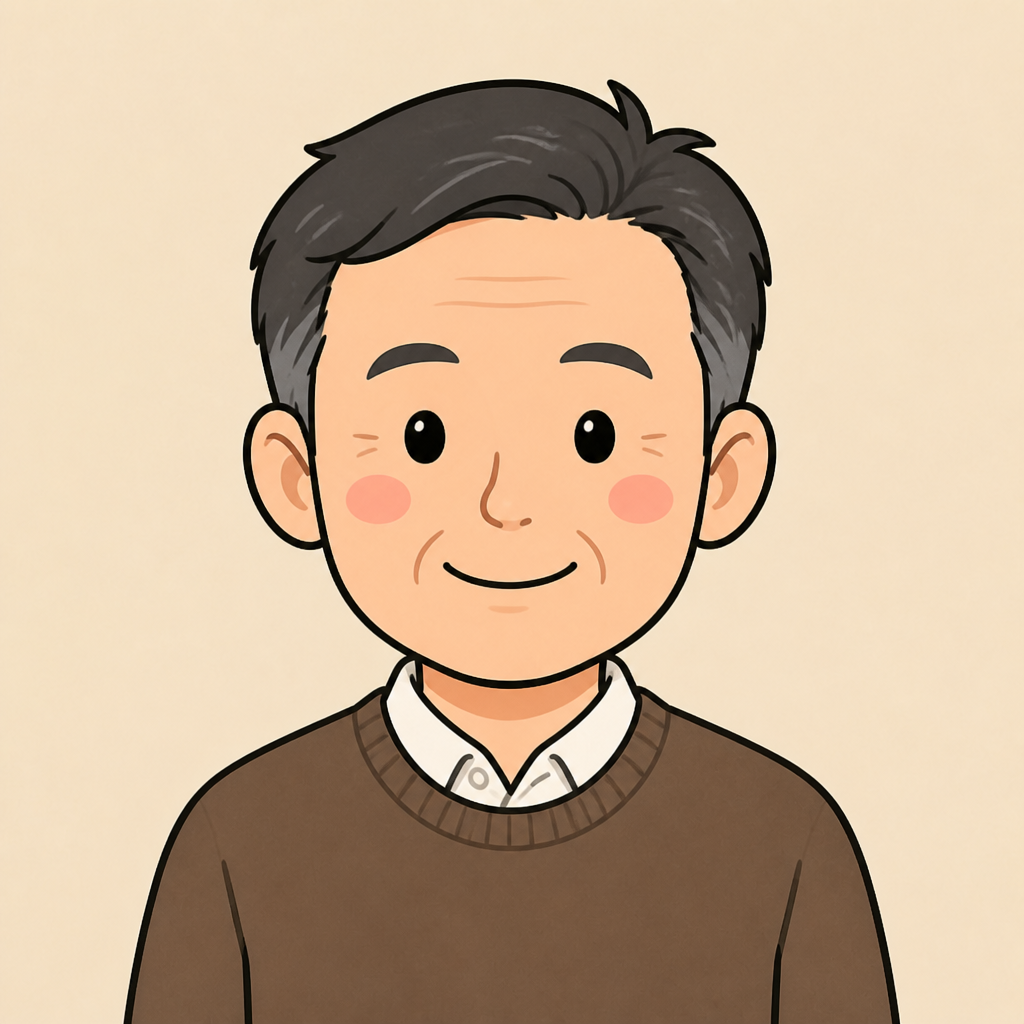
母語:廣東話
mou5 jyu5: gwong2 dung1 waa2
初級:英文
co1 kap1: jing1 man2
| Jason | 你識咩語言㗎? nei5 sik1 me1 jyu5 jin4 gaa3? |
| Matthew | 我嘅母語係________,而家學緊________。 ngo5 ge3 mou5 jyu5 hai6 ________, ji4 gaa1 hok6 gan2 ________. |
Exercise 4
Listen to A and complete B by using the correct reason. Then, listen to the recordings to check your answers. Finally, repeat after the recordings.
| a. | 好鍾意聽廣東歌 hou2 zung1 ji3 teng1 gwong2 dung1 go1 |
| b. | 遲啲會去韓國做嘢 ci4 di1 wui5 heoi3 hon4 gwok3 zou6 je5 |
| c. | 好鍾意睇泰國嘅劇 hou2 zung1 ji3 tai2 taai3 gwok3 ge3 kek6 |
| d. | 越南文係阿爸同阿媽嘅語言 jyut6 naam4 man2 hai6 aa3 baa4 tung4 aa3 maa1 ge3 jyu5 jin4 |
| e. | 遲啲會去西班牙住 ci4 di1 wui5 heoi3 sai1 baan1 ngaa4 zyu6 |
| f. | 好鍾意日本嘅文化 hou2 zung1 ji3 jat6 bun2 ge3 man4 faa3 |
| g. | 屋企人講印尼話 uk1 kei2 jan4 gong2 jan3 nei4 waa2 |
Example
| A | 你點解學廣東話嘅? nei5 dim2 gaai2 hok6 gwong2 dung1 waa2 ge2? Why do you learn Cantonese? |
| B | a. 因為我好鍾意聽廣東歌。 jan1 wai6 ngo5 hou2 zung1 ji3 teng1 gwong2 dung1 go1. Because I like listening to Cantopop very much. |
1.
| A | ________ |
| B | ________ |
2.
| A | ________ |
| B | ________ |
3.
| A | ________ |
| B | ________ |
4.
| A | ________ |
| B | ________ |
5.
| A | ________ |
| B | ________ |
Irrelevant
________
Exercise 5
Follow the example to complete the conversations. Then, listen to the recordings to check your answers. Finally, repeat after the recordings.
Example
| A | 你識廣東話㗎? nei5 sik1 gwong2 dung1 waa2 gaa4? You know Cantonese? |
| B | 係呀,我以前喺學校學過廣東話,所以識少少廣東話。 hai6 aa3, ngo5 ji5 cin4 hai2 hok6 haau6 hok6 gwo3 gwong2 dung1 waa2, so2 ji5 sik1 siu2 siu2 gwong2 dung1 waa2. Yes. I learned Cantonese at school before, so I know a little Cantonese. |
1.
| A | ________ |
| B | ________ |
2.
| A | ________ |
| B | ________ |
3.
| A | ________ |
| B | ________ |
4.
| A | ________ |
| B | ________ |
Activities
Activity 1
Listen to two conversations. The speakers will talk about the languages they know or are learning. Then, listen to the statements and decide if they are true or false.
Conversation 1
啱 ngaam1 Correct | 錯 co3 Wrong | 冇提過 mou5 tai4 gwo3 Not mentioned | ||
| 1. | ________ |  | | |
| 2. | ________ | | | |
| 3. | ________ | | | |
| Jack | |
| Tiffany | |
| Jack | |
| Tiffany | |
| Jack | |
| Tiffany | |
| Jack |
Conversation 2
啱 ngaam1 Correct | 錯 co3 Wrong | 冇提過 mou5 tai4 gwo3 Not mentioned | ||
| 4. | ________ | | | |
| 5. | ________ | | | |
| 6. | ________ | | | |
| Kyle | |
| 阿文 aa3 man4 | |
| Kyle | |
| 阿文 aa3 man4 | |
| Kyle | |
| 阿文 aa3 man4 | |
| Kyle | |
| 阿文 aa3 man4 | |
| Kyle | |
| 阿文 aa3 man4 |
Transcripts with Translation
Conversation 1
| Jack | 你識咩語言㗎? nei5 sik1 me1 jyu5 jin4 gaa3? What languages do you know? |
| Tiffany | 我識英文啦,德文啦,同少少廣東話嘅。你呢? ngo5 sik1 jing1 man2 laa1, dak1 man2 laa1, tung4 siu2 siu2 gwong2 dung1 waa2 ge3. nei5 ne1? I know English, German and a little Cantonese. How about you? |
| Jack | 我識英文啦,西班牙文啦,同少少廣東話嘅。你點解學廣東話嘅? ngo5 sik1 jing1 man2 laa1, sai1 baan1 ngaa4 man2 laa1, tung4 siu2 siu2 gwong2 dung1 waa2 ge3. nei5 dim2 gaai2 hok6 gwong2 dung1 waa2 ge2? I know English, Spanish and a little Cantonese. Why do you learn Cantonese? |
| Tiffany | 我老公係香港人嚟,我想學佢嘅語言。你呢?點解你學廣東話嘅? ngo5 lou5 gung1 hai6 hoeng1 gong2 jan4 lai4, ngo5 soeng2 hok6 keoi5 ge3 jyu5 jin4. nei5 ne1? dim2 gaai2 nei5 hok6 gwong2 dung1 waa2 ge2? My husband is a Hong Konger. I want to learn his language. How about you? Why do you learn Cantonese? |
| Jack | 因為我遲啲會去香港做嘢。 jan1 wai6 ngo5 ci4 di1 wui5 heoi3 hoeng1 gong2 zou6 je5. Because I will go to Hong Kong to work later. |
| Tiffany | 我哋之後一齊練廣東話吖。 ngo5 dei6 zi1 hau6 jat1 cai4 lin6 gwong2 dung1 waa2 aa1. Let’s practice Cantonese together later. |
| Jack | 好呀。 hou2 aa3. Sure. |
- 想 soeng2 = to want to
Conversation 2
| Kyle | 哈佬,我叫Kyle,你呢? haa1 lou2, ngo5 giu3 Kyle, nei5 ne1? Hello. My name is Kyle. How about you? |
| 阿文 aa3 man4 | 我叫阿文。你識講廣東話㗎? ngo5 giu3 aa3 man4. nei5 sik1 gong2 gwong2 dung1 waa2 gaa4? My name is Man. You know how to speak Cantonese? |
| Kyle | 係呀,我阿媽係香港人嚟,所以我識講廣東話嘅。 hai6 aa3, ngo5 aa3 maa1 hai6 hoeng1 gong2 jan4 lai4, so2 ji5 ngo5 sik1 gong2 gwong2 dung1 waa2 ge3. Yes. My mum is a Hong Konger, so I know how to speak Cantonese. |
| 阿文 aa3 man4 | 你仲識邊啲語言㗎? nei5 zung6 sik1 bin1 di1 jyu5 jin4 gaa3? Which languages do you know in addition? |
| Kyle | 我嘅母語係英文,我仲識少少法文,而家學緊日文。 ngo5 ge3 mou5 jyu5 hai6 jing1 man2, ngo5 zung6 sik1 siu2 siu2 faat3 man2, ji4 gaa1 hok6 gan2 jat6 man2. My native language is English. I know a little French in addition. I am learning Japanese now. |
| 阿文 aa3 man4 | 你點解學日文嘅? nei5 dim2 gaai2 hok6 jat6 man2 ge2? Why do you learn Japanese? |
| Kyle | 因為我好鍾意日本嘅文化,同埋我好鍾意睇日本嘅動畫嘅。 jan1 wai6 ngo5 hou2 zung1 ji3 jat6 bun2 ge3 man4 faa3, tung4 maai4 ngo5 hou2 zung1 ji3 tai2 jat6 bun2 ge3 dung6 waa2 ge3. Because I like Japanese culture very much. And I like watching Japanese anime very much. |
| 阿文 aa3 man4 | 我都勁鍾意睇日本啲動畫㗎! ngo5 dou1 ging6 zung1 ji3 tai2 jat6 bun2 di1 dung6 waa2 gaa3! I strongly like watching Japanese anime too. |
| Kyle | 噉你識唔識日文㗎? gam2 nei5 sik1 m4 sik1 jat6 man2 gaa3? Then, do you know Japanese? |
| 阿文 aa3 man4 | 我而家都學緊,不過淨係識少少咋。 ngo5 ji4 gaa1 dou1 hok6 gan2, bat1 gwo3 zing6 hai6 sik1 siu2 siu2 zaa3. I am learning it now, but I only know a little. We usually put 都 dou1 after time adverbs. |
- 不過 bat1 gwo3 = but
Activity 2
Form a pair. Use the notes below to make a conversation. Try to include the given words in each turn. Student A will start the conversation, and Student B will reply.
Sample Conversation
| A | 你識咩語言㗎? nei5 sik1 me1 jyu5 jin4 gaa3? |
| B | 我嘅母語係________,我仲識________同________,而家學緊________。 ngo5 ge3 mou5 jyu5 hai6 ________, ngo5 zung6 sik1 ________ tung4 ________, ji4 gaa1 hok6 gan2 ________. |
| A | 你點解學________嘅? nei5 dim2 gaai2 hok6 ________ ge2? |
| B | 因為________。 jan1 wai6 ________. |
噉你識邊啲語言㗎? gam2 nei5 sik1 bin1 di1 jyu5 jin4 gaa3? | |
| A | 我嘅母語係________,我仲識________同________,而家學緊________。 ngo5 ge3 mou5 jyu5 hai6 ________, ngo5 zung6 sik1 ________ tung4 ________, ji4 gaa1 hok6 gan2 ________. |
| B | 你點解學________嘅? nei5 dim2 gaai2 hok6 ________ ge2? |
| A | 因為________。 jan1 wai6 ________. |
Activity 3
Form a pair. Talk about:
- What languages do you know or are you learning?
- Why do you know or learn the languages?
Activity 4
Listen to a clip from a podcast about language. The hosts will discuss how speakers of different languages ask whether someone knows a language. Write down the four languages they mention. One of the languages is not covered in this lesson. Try to write it down in Romanized Cantonese.