Print or Export
我着開中碼嘅。
ngo5 zoek3 hoi1 zung1 maa5 ge3.
ngo5 zoek3 hoi1 zung1 maa5 ge3.
Listen and Speak
Step 1
Listen and complete the words of the clothing sizes below.
Step 2
Listen to a conversation. A customer wants to try on a top in a clothing store. Write down the size the customer wears.
________| 客 haak3 | |
| 店員 dim3 jyun4 | |
| 客 haak3 | |
| 店員 dim3 jyun4 | |
| 客 haak3 |
Step 3
Listen to the conversation again. Read the script while listening. Check your answers.
| 客 haak3 | 唔該,我想試下呢件衫嘅。 m4 goi1, ngo5 soeng2 si3 haa5 ni1 gin6 saam1 ge3. Excuse me. I want to have a try of this top. |
| 店員 dim3 jyun4 | 你着開咩碼嘅? nei5 zoek3 hoi1 me1 maa5 ge2? What size do you usually wear? |
| 客 haak3 | 我着開中碼嘅。 ngo5 zoek3 hoi1 zung1 maa5 ge3. I usually wear medium size. |
| 店員 dim3 jyun4 | 噉我拎中碼俾你試下吖,請等一等。 gam2 ngo5 ling1 zung1 maa5 bei2 nei5 si3 haa5 aa1, cing2 dang2 jat1 dang2. Then, let me take medium size to you to have a try. Please wait for a while. |
| 客 haak3 | 唔該晒。 m4 goi1 saai3. Thank you so much. |
- 着 zoek3 = to wear
- 開 hoi1 = (Aspect particle used to indicate habitual actions)
Step 4
Listen and repeat.
Step 5
Replace the highlighted words in the script with the other clothing sizes to make your conversations.
Grammar and Vocabulary
In the Grammar and Vocabulary section, you will learn:
- Clothing Sizes
- The Aspect Particle 開 hoi1 (Habitual)
- The Aspect Particle 咗 zo2 with Predicative Adjectives II
- Modifying Nouns with Nouns
- Indicating Attributes of Items
- Vocabulary List
- Vocabulary: Commenting on Clothing Size
- Vocabulary: Colors
52.1 Clothing Sizes
To refer to clothing sizes like ‘large size’ and ‘medium size’, we first say the adjective (e.g., 大 daai6 ‘large’, 中 zung1 ‘medium’), and then the word 碼 maa5 (‘size’).
To refer to clothing sizes like ‘extra large size’ and ‘extra small size’, we add the word 加 gaa1 (‘extra’, literally ‘to add’) before the adjective.
We can use more than one 加 gaa1 to refer to larger sizes.
Below is a list of clothing sizes. Hong Kong Cantonese speakers also often indicate clothing sizes in English.
To ask for someone’s size, we can use these questions:
| A: | 你着咩碼嘅? nei5 zoek3 me1 maa5 ge2? What size do you wear? 你着邊個碼嘅? nei5 zoek3 bin1 go3 maa5 ge2? Which size do you wear? |
| B: | 我着中碼嘅。 ngo5 zoek3 zung1 maa5 ge3. I wear medium size. |
For pants sizes, we sometimes use the waist circumference. We first say the number and then the measurement unit classifier 吋 cyun3 (‘inch’).
We sometimes add the word 腰 jiu1 (‘waist’) after the measurement to indicate that we are talking about a waist circumference.
We can use the following sentence structures to indicate our waist circumference. Notice we put the person and the measurement next to each other, without adding any verbs in between. These sentence structures have a predicate without a verb (see Grammar and Vocabulary 12.4).
To ask for someone’s waist circumference, we can combine 幾多 gei2 do1 / 幾 gei2 (‘how many, how much’) with 吋 cyun3 to form the question expression 幾多吋 gei2 do1 cyun3 / 幾吋 gei2 cyun3 (‘how many inches’).
| A: | 你幾多吋腰嘅? nei5 gei2 do1 cyun3 jiu1 ge2? 你幾吋腰嘅? nei5 gei2 cyun3 jiu1 ge2? How many inches is your waist? |
| B: | 我三十吋腰嘅。 ngo5 saam1 sap6 cyun3 jiu1 ge3. My waist is 30 inches. |
| A: | 你腰圍幾多吋嘅? nei5 jiu1 wai4 gei2 do1 cyun3 ge2? 你腰圍幾吋嘅? nei5 jiu1 wai4 gei2 cyun3 ge2? How many inches is your waist circumference? |
| B: | 我腰圍三十吋嘅。 ngo5 jiu1 wai4 saam1 sap6 cyun3 ge3. My waist circumference is 30 inches. |
For shoe sizes, we first say the number and then the classifier 號 hou6 (‘number’).
To indicate a half size, we put the word 半 bun3 (‘half’) after 號 hou6.
We sometimes add the word 鞋 haai4 (‘shoe’) after the size to indicate that we are talking about a shoe size.
To ask for someone’s shoes size, we can combine 幾多 gei2 do1 / 幾 gei2 (‘how many, how much’) with 號 hou6 to form the question expression 幾多號 gei2 do1 hou6 / 幾號 gei2 hou6 (‘what number’).
| A: | 你着幾多號鞋嘅? nei5 zoek3 gei2 do1 hou6 haai4 ge2? 你着幾號鞋嘅? nei5 zoek3 gei2 hou6 haai4 ge2? What number do you wear for shoes? |
| B: | 我着八號鞋嘅。 ngo5 zoek3 baat3 hou6 haai4 ge3. I wear Number 8 for shoes. |
52.2 The Aspect Particle 開 hoi1 (Habitual)
We can use the aspect particle 開 hoi1 to indicate that we do an action habitually. The aspect particle 開 hoi1 often adds the meaning of ‘usually’ to a sentence. In grammar, this aspect is called the habitual aspect.
我着開中碼嘅。
ngo5 zoek3 hoi1 zung1 maa5 ge3.
I usually wear medium size.
我着開七號半鞋嘅。
ngo5 zoek3 hoi1 cat1 hou6 bun3 haai4 ge3.
I usually wear Number 7.5 for shoes.
In Grammar and Vocabulary 41.3, we learned the adverb of frequency 通常 tung1 soeng4 (‘usually’). 開 hoi1 and 通常 tung1 soeng4 add similar meaning to a sentence. We can often use them interchangeably.
我着開中碼嘅。
ngo5 zoek3 hoi1 zung1 maa5 ge3.
I usually wear medium size.
我通常着中碼嘅。
ngo5 tung1 soeng4 zoek3 zung1 maa5 ge3.
I usually wear medium size.
Note that, however, there is a subtle difference between 開 hoi1 and 通常 tung1 soeng4. We usually use 開 hoi1 for habits that have developed over time, while we usually use 通常 tung1 soeng4 when we are simply indicating how frequently something is done.
52.3 The Aspect Particle 咗 zo2 with Predicative Adjectives II
In Grammar and Vocabulary 51.2, we learned that we can use the aspect particle 咗 zo2 with a predicative adjective to add the meaning of ‘to have become’ or ‘to have become more’ to a sentence. We also learned that we can add an adverb after 咗 zo2 to indicate the degree of the quality.
We sometimes use the aspect particle 咗 zo2 with a predicative adjective and an adverb to indicate how much something is different from what is suitable (e.g., medium size is a bit larger than suitable).
To soften the statement and make it sound less firm, we can add 好似 hou2 ci5 (‘seem’) before the adjective and 噉 gam2 (‘seem’) after the adverb.
52.4 Modifying Nouns with Nouns
In Grammar and Vocabulary 21.2, we learned that we can put an attributive adjective before a noun to modify the noun. We also learned that we use the particle 嘅 ge3 to link the attributive adjective and the noun.
Instead of using an adjective, we can also put a noun before 嘅 ge3 to modify the noun after it. When 嘅 ge3 is added after the first noun, the first noun functions like an adjective and can be used to modify the second noun. The first noun often indicates an attribute of the second noun (e.g., the color or size).
We can put a question expression (e.g., 乜嘢色 mat1 je5 sik1 / 咩色 me1 sik1 ‘what color’) at the position of the first noun to ask about an attribute (e.g., the color).
| A: | 呢件衫可以襯咩色嘅褲呀? ni1 gin6 saam1 ho2 ji5 can3 me1 sik1 ge3 fu3 aa3? What color pants can this top match? |
| B: | 可以襯白色嘅褲或者卡其色嘅褲。 ho2 ji5 can3 baak6 sik1 ge3 fu3 waak6 ze2 kaa1 kei4 sik1 ge3 fu3. It can match white pants or khaki pants. |
52.5 Indicating Attributes of Items
In Grammar and Vocabulary 21.2, we learned to use an attributive adjective to modify a noun.
We can say only the attributive adjective with 嘅 ge3 to mean ‘a … one’ or ‘… ones’.
In Grammar and Vocabulary 52.4, we also learned to use a noun to modify another noun.
We can also say only the first noun with 嘅 ge3 to mean ‘a … one’ or ‘… ones’.
To mean ‘this one is a … one’ or ‘these … are … ones’, we can use the following two sentence structures. We often use these sentence structures to indicate the attribute of the items we have in our hands, such as their color, size or whether they’re new or a display item.
The first sentence structure is a sentence with the verb 係 hai6 (‘to be’). The subject complement will be the adjective or the noun with 嘅 ge3. If the number is 一 jat1 (‘one’), we can optionally omit the number.
The second sentence structure is a sentence that has a predicate without verbs (See Grammar and Vocabulary 12.4). The adjective or the noun with 嘅 ge3 will be the predicate on its own. If the number is 一 jat1 (‘one’), we can optionally omit the number.
52.6 Vocabulary List
52.7 Vocabulary: Commenting on Clothing Size
52.8 Vocabulary: Colors
Communication
In the Communication section, you will learn:
- Trying on Clothes
Trying on Clothes
When shopping for clothes in a store, we often try on an item in different sizes and colors to see which suits us best.
If we can’t find an item in our size, we can approach a shop assistant and ask for help.
A few moments later…
If we want to find out what colors are available for a particular design, we can ask:
In some stores, we will take clothes to the fitting room and try them on ourselves. If we can’t find the fitting room, we can ask the shop assistant.
Before entering the fitting room, the shop assistant may ask how many items we want to try on.
After trying on the items, the shop assistant may ask if the items are okay. If we decide to buy them, we can keep the items and take them to the cashier.
If we decide not to buy an item, we can say:
- When the sentence has the adverb 唔 m4 (‘not’), the meaning of the sentence particle 喇 laa3 changes from ‘already’ to ‘anymore’.
In other stores, we may need to inform the shop assistant if we want to try on an item.
The shop assistant will then ask for our size.
Tops
Pants
Shoes
If we are not sure about our size, we can ask the shop assistant to take our measurements.
Sometimes, the shop assistant will take our measurements directly without first checking if we know them.
The shop assistant will then go to get the item in our size.
A few moments later…
Sometimes, the shop assistant will give us our size in a different color to try on first.
After we have tried the item on, the shop assistant will check if the size suits us.
Route A: Suitable
Route B: Not suitable
If we want to try another size, we can say:
If we want to try another color, we can say:
A few moments later…
If we want to know which color goes well with an item, we can ask:
If we don’t like the item after trying it on, we can say:
If we need more time to think before deciding, we can say:
If we decide to buy the item, we can say:
If we want to check if there is a new one, we can say:
Route A: Available
A few moments later…
Route B: Not Available
- The expression 尖沙咀間分店 zim1 saa1 zeoi2 gaan1 fan1 dim3 means ‘the branch in Tsim Sha Tsui’. This expression is similar to expressions like 前邊間舖 cin4 bin6 gaan1 pou3 (‘the shop in front’) and 左邊間舖 zo2 bin6 gaan1 pou3 (‘the shop on the left’) (See Grammar and Vocabulary 37.2). The only difference is that we put a place name instead of a location expression before the classifier.
Exercises
Exercise 1
Complete the descriptions.
1.
We can use the aspect particle ________ to indicate that we do an action habitually.
2.
We sometimes use the aspect particle ________ with a predicative adjective and an adverb to indicate how much something is different from what is suitable.
3.
When we use a noun to modify another noun, we put the particle ________ after the first noun.
Exercise 2
Listen to B and complete A. Then, check your answers and repeat after the recordings.
Example
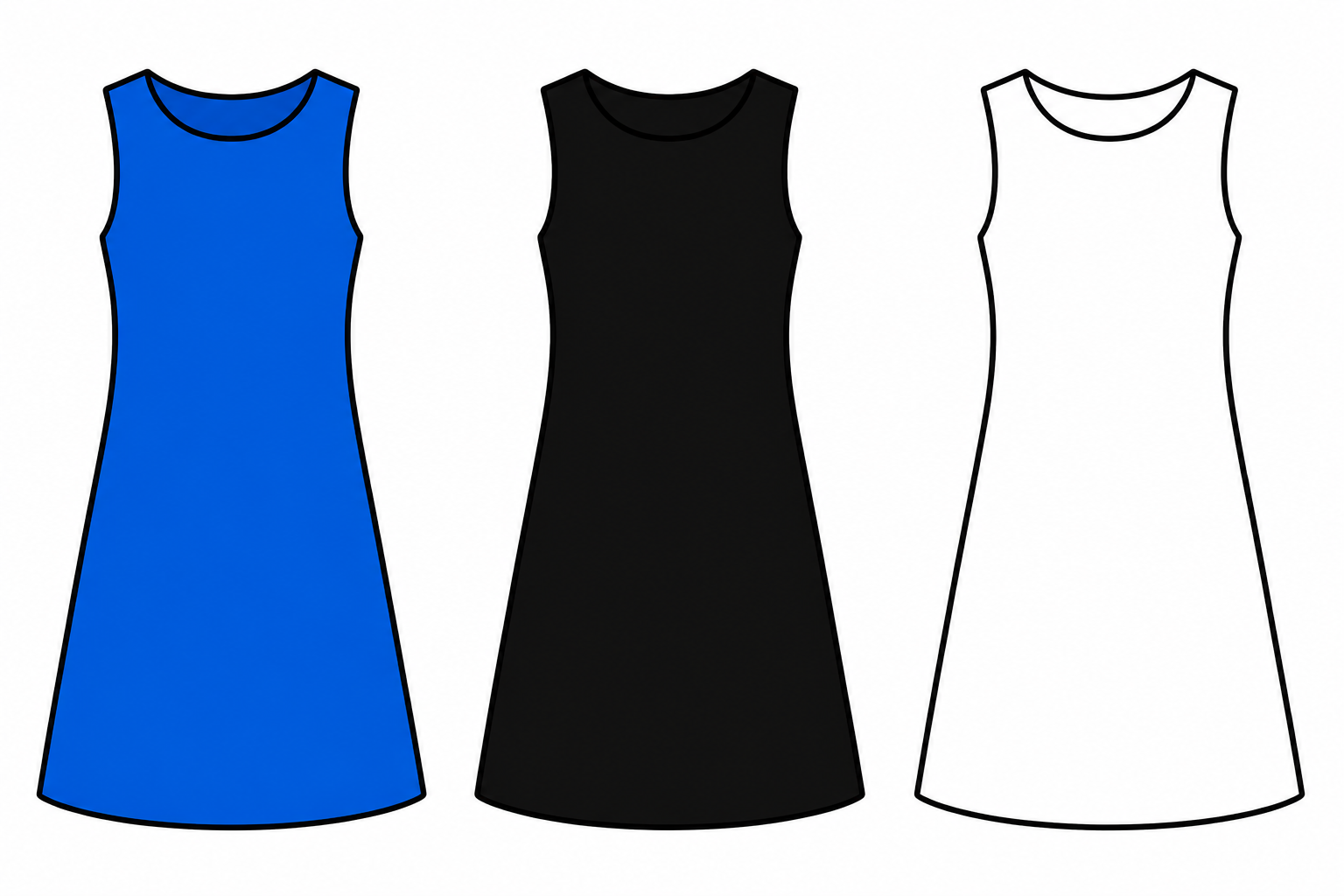
| A | 呢條裙除咗黑色同白色仲有冇其他色㗎? ni1 tiu4 kwan4 ceoi4 zo2 hak1 sik1 tung4 baak6 sik1 zung6 jau5 mou5 kei4 taa1 sik1 gaa3? Apart from black and white, does this dress have other colors in addition? |
| B | 呢條裙仲有藍色嘅。 ni1 tiu4 kwan4 zung6 jau5 laam4 sik1 ge3. ← Listen to this first. This dress has blue in addition. |
1.
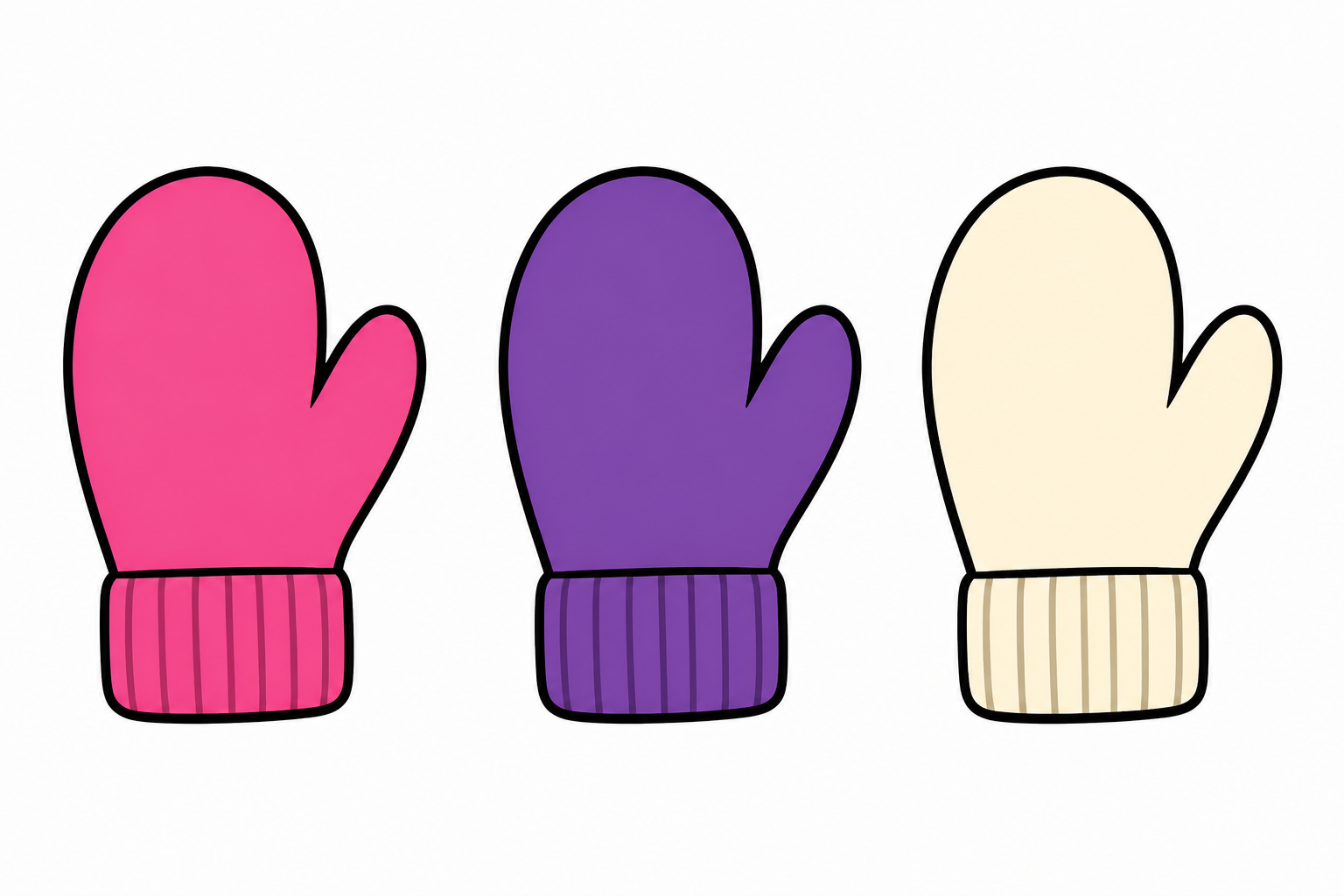
| A | ________ |
| B | ________ |
2.
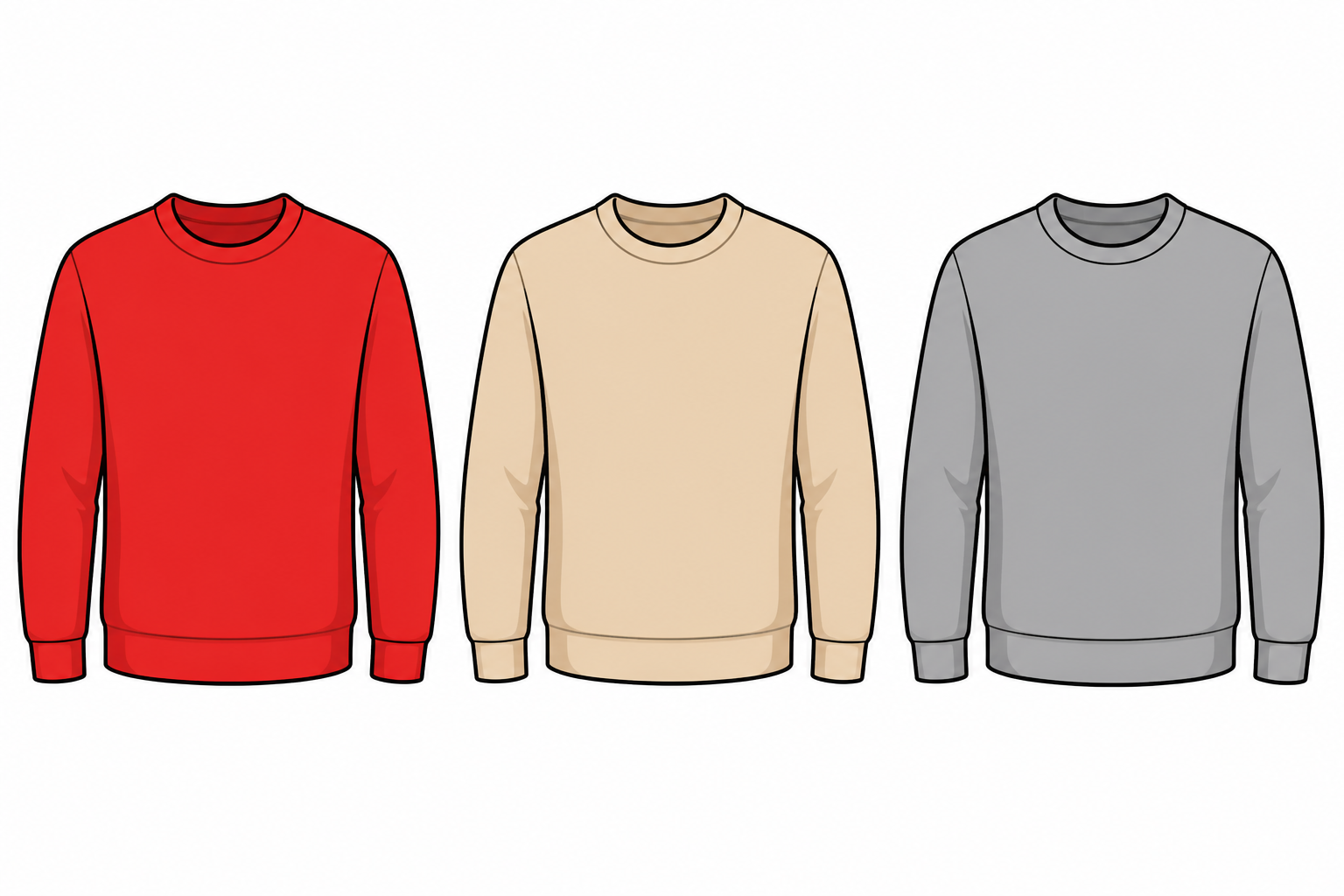
| A | ________ |
| B | ________ |
3.
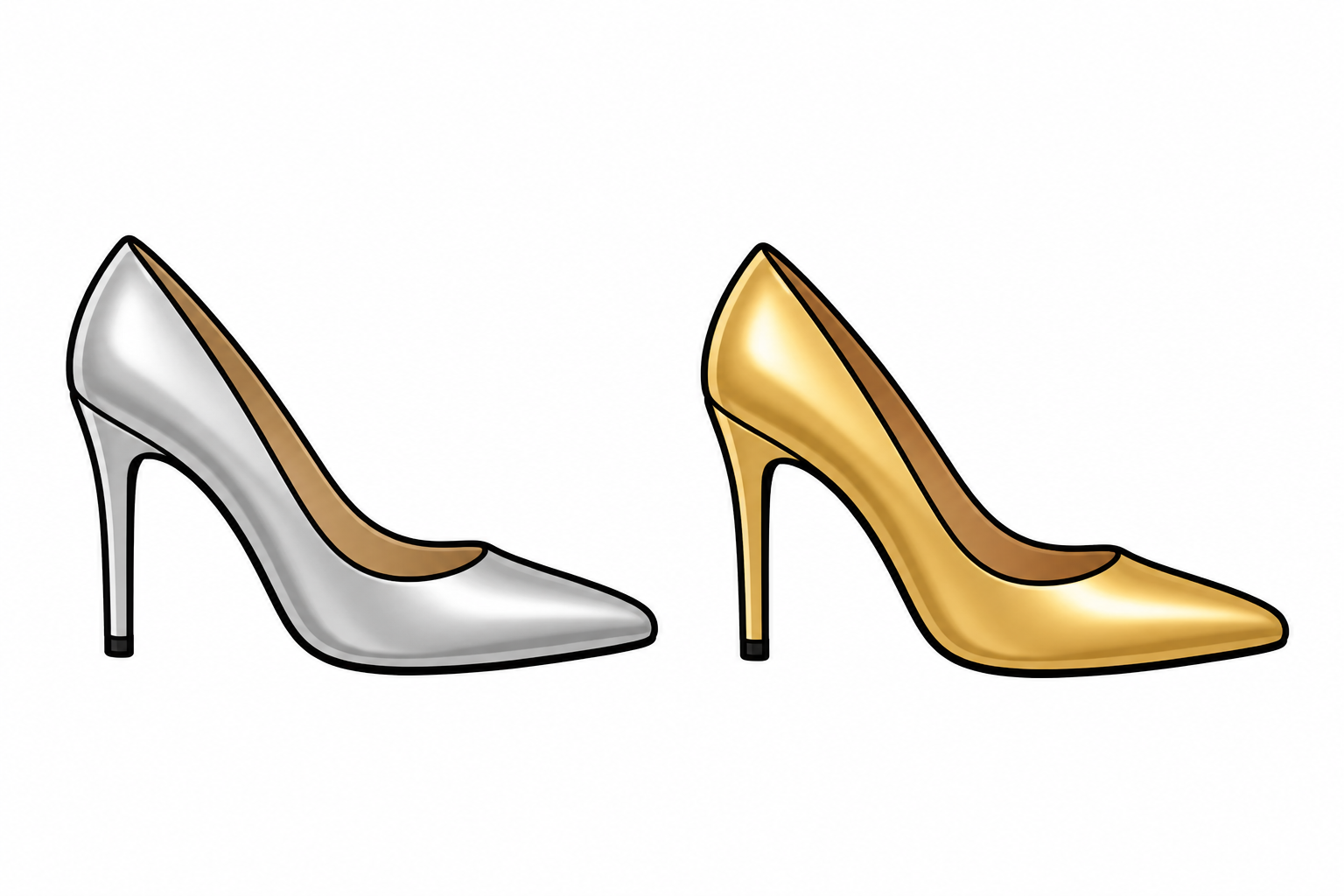
| A | ________ |
| B | ________ |
4.
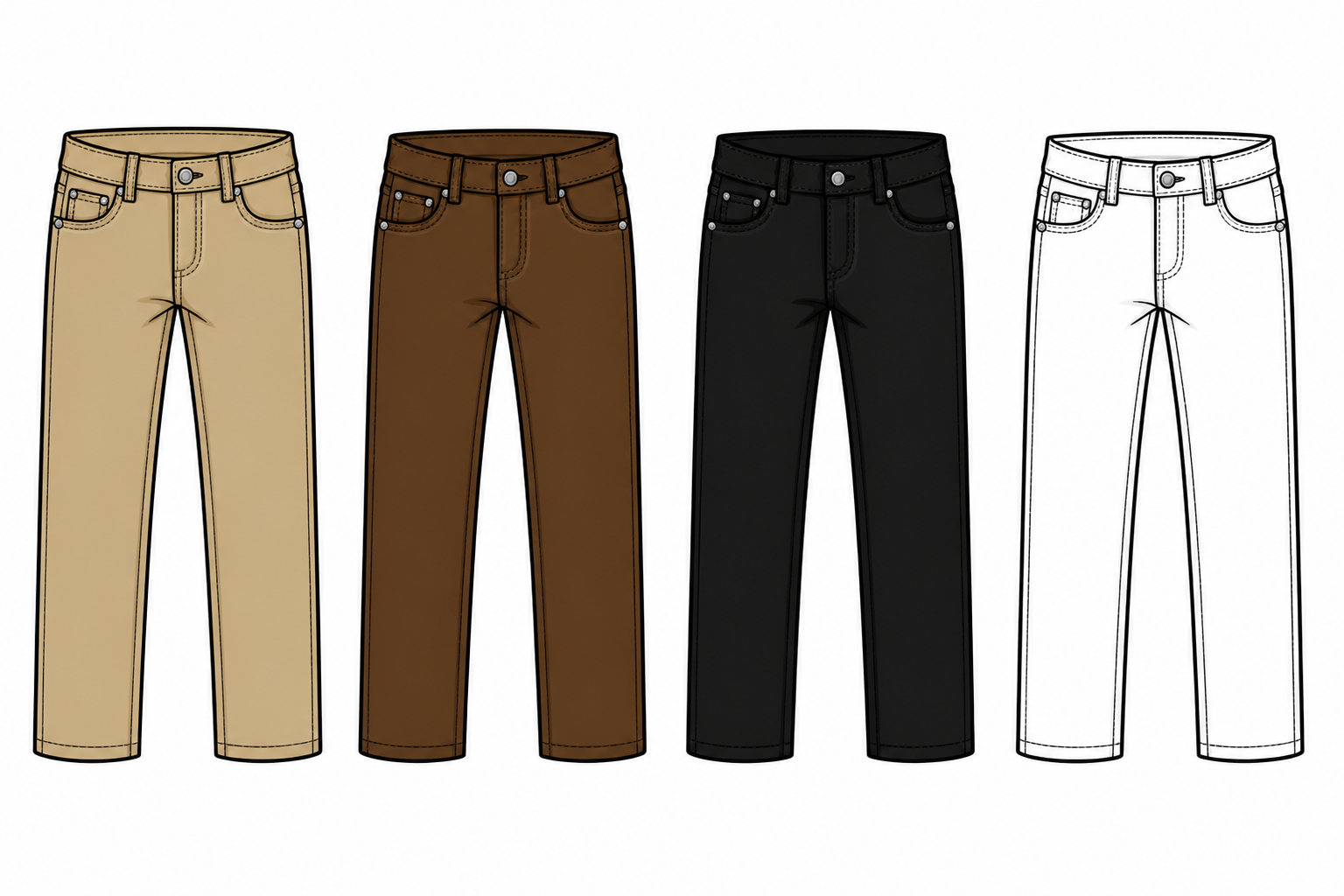
| A | ________ |
| B | ________ |
5.
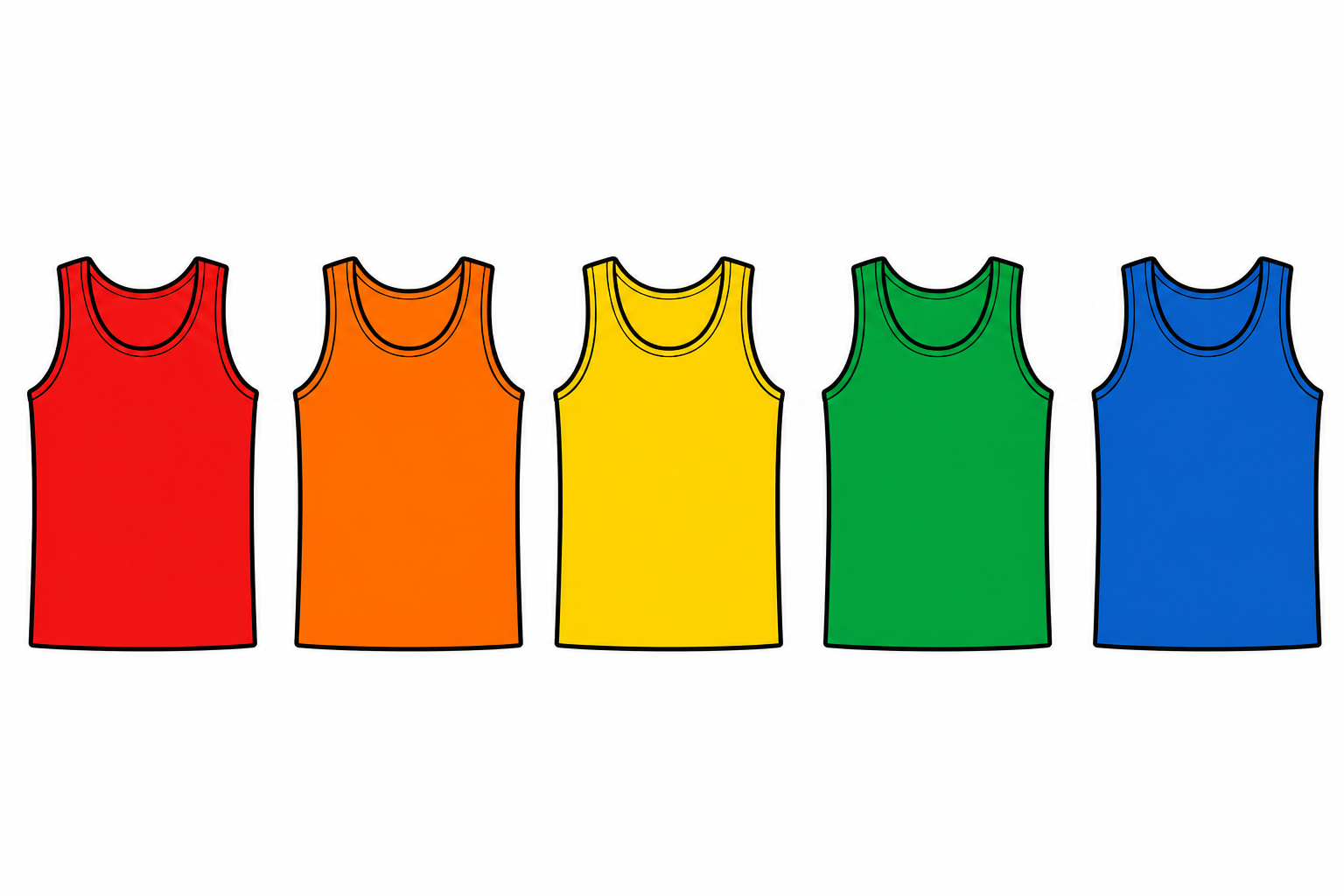
| A | ________ |
| B | ________ |
6.
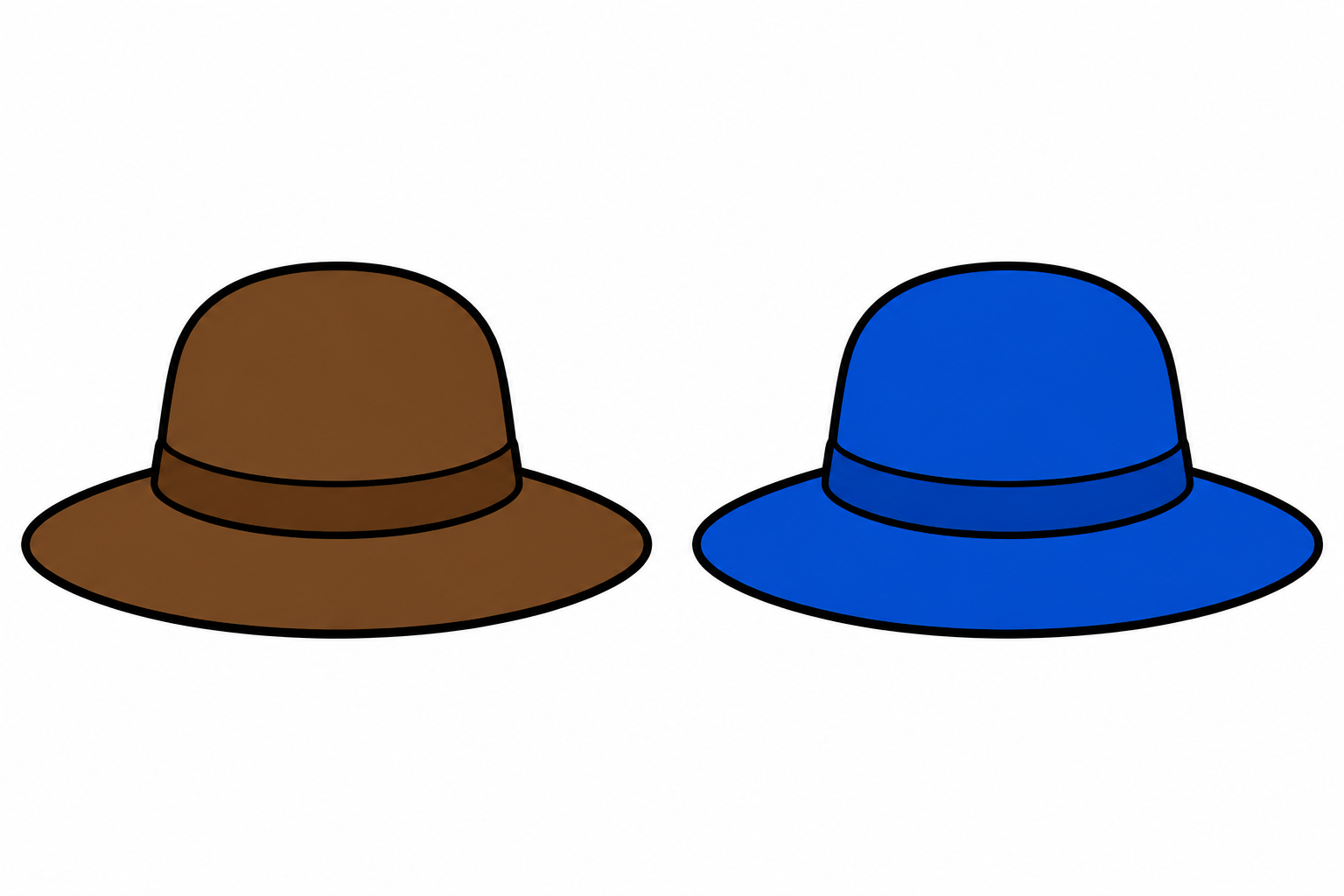
| A | ________ |
| B | ________ |
Exercise 3
Listen to B and complete A. Then, check your answers and repeat after the recordings.
Example
| A | 唔該,我想試下呢件褸嘅。 m4 goi1, ngo5 soeng2 si3 haa5 ni1 gin6 lau1 ge3. Excuse me. I want to have a try of this coat. |
| B | 想試呢件褸呀?你着開咩碼嘅? soeng2 si3 ni1 gin6 lau1 aa4? nei5 zoek3 hoi1 me1 maa5 ge2? You want to have a try of this coat? What size do you usually wear? ↑ Listen to this first. |
| A | 我着開中碼嘅。 ngo5 zoek3 hoi1 zung1 maa5 ge3. I usually wear medium size. |
| B | 噉我拎中碼俾你試下吖,請等一等。 gam2 ngo5 ling1 zung1 maa5 bei2 nei5 si3 haa5 aa1, cing2 dang2 jat1 dang2. Then, let me take medium size to you to have a try. Please wait for a while. ↑ Listen to this first. |
1.
| A | ________ |
| B | ________ |
| A | ________ |
| B | ________ |
2.
| A | ________ |
| B | ________ |
| A | ________ |
| B | ________ |
3.
| A | ________ |
| B | ________ |
| A | ________ |
| B | ________ |
4.
| A | ________ |
| B | ________ |
| A | ________ |
| B | ________ |
5.
| A | ________ |
| B | ________ |
| A | ________ |
| B | ________ |
6.
| A | ________ |
| B | ________ |
| A | ________ |
| B | ________ |
Exercise 4
Listen to A and complete B. When you complete B, use the words in the brackets. Then, check your answers and repeat after the recordings. In this exercise, there may be more than one correct answer.
Example
| A | 中碼啱唔啱呀? zung1 maa5 ngaam1 m4 ngaam1 aa3? ← Listen to this first. Is medium size suitable? |
| B | (啲 di1) 中碼好似大咗啲噉呀。 zung1 maa5 hou2 ci5 daai6 zo2 di1 gam2 aa3. Medium size seems a bit big. |
| A | 噉我拎細碼俾你試下吖。 gam2 ngo5 ling1 sai3 maa5 bei2 nei5 si3 haa5 aa1. ← Listen to this first. Then, let me take small size to you to have a try. |
1.
| A | ________ |
| B | (少少 siu2 siu2) ________ |
| A | ________ |
2.
| A | ________ |
| B | (埋 maai4) ________ |
| A | ________ |
3.
| A | ________ |
| B | (太 taai3) ________ |
| A | ________ |
4.
| A | ________ |
| B | (埋 maai4) ________ |
| A | ________ |
5.
| A | ________ |
| B | (得滯 dak1 zai6) ________ |
| A | ________ |
6.
| A | ________ |
| B | (啱啱好 ngaam1 ngaam1 hou2) ________ |
| A | ________ |
Activities
Activity 1
Listen to three conversations. In each conversation, a customer will try on some clothing items in a clothing store. After listening to each conversation, listen and decide if the statements are true or false. Correct the false ones.
Conversation 1
啱 ngaam1 Correct | 錯 co3 Wrong | ||
| 1. | ________
|  | |
| 2. | ________ | | |
| 3. | ________ | | |
| 4. | ________ | | |
| 客 haak3 | |
| 店員 dim3 jyun4 | |
| 客 haak3 | |
| 店員 dim3 jyun4 | |
A few moments later… | |
| 店員 dim3 jyun4 | |
| 客 haak3 | |
A few moments later… | |
| 店員 dim3 jyun4 | |
| 客 haak3 | |
A few moments later… | |
| 店員 dim3 jyun4 | |
| 客 haak3 | |
| 店員 dim3 jyun4 | |
A few moments later… | |
| 店員 dim3 jyun4 | |
| 客 haak3 | |
A few moments later… | |
| 店員 dim3 jyun4 | |
| 客 haak3 |
Conversation 2
啱 ngaam1 Correct | 錯 co3 Wrong | ||
| 5. | ________ | | |
| 6. | ________ | | |
| 7. | ________ | | |
| 客 haak3 | |
| 店員 dim3 jyun4 | |
| 客 haak3 | |
| 店員 dim3 jyun4 | |
A few moments later… | |
| 店員 dim3 jyun4 | |
| 客 haak3 | |
A few moments later… | |
| 店員 dim3 jyun4 | |
| 客 haak3 | |
| 店員 dim3 jyun4 | |
A few moments later… | |
| 店員 dim3 jyun4 | |
| 客 haak3 | |
A few moments later… | |
| 店員 dim3 jyun4 | |
| 客 haak3 |
Conversation 3
啱 ngaam1 Correct | 錯 co3 Wrong | ||
| 8. | ________ | | |
| 9. | ________ | | |
| 10. | ________ | | |
| 11. | ________ | | |
| 12. | ________ | | |
| 客 haak3 | |
| 店員 dim3 jyun4 | |
| 客 haak3 | |
| 店員 dim3 jyun4 | |
A few moments later… | |
| 店員 dim3 jyun4 | |
| 客 haak3 | |
A few moments later… | |
| 店員 dim3 jyun4 | |
| 客 haak3 | |
| 店員 dim3 jyun4 | |
A few moments later… | |
| 店員 dim3 jyun4 | |
| 客 haak3 | |
A few moments later… | |
| 店員 dim3 jyun4 | |
| 客 haak3 | |
| 店員 dim3 jyun4 | |
| 客 haak3 | |
| 店員 dim3 jyun4 | |
| 客 haak3 | |
| 店員 dim3 jyun4 | |
| 客 haak3 | |
| 店員 dim3 jyun4 | |
A few moments later… | |
| 店員 dim3 jyun4 | |
| 客 haak3 | |
A few moments later… | |
| 店員 dim3 jyun4 | |
| 客 haak3 |
Transcripts with Translation
Conversation 1
| 客 haak3 | 唔該,我想試下呢兩條褲嘅。 m4 goi1, ngo5 soeng2 si3 haa5 ni1 loeng5 tiu4 fu3 ge3. Excuse me. I want to have a try of these two pairs of pants. |
| 店員 dim3 jyun4 | 你幾多吋腰嘅? nei5 gei2 do1 cyun3 jiu1 ge2? How many inches is your waist? |
| 客 haak3 | 我唔肯定呀,可唔可以度一度呀? ngo5 m4 hang2 ding6 aa3, ho2 m4 ho2 ji5 dok6 jat1 dok6 aa3? I am not sure. Can you measure it? |
| 店員 dim3 jyun4 | 好呀,我幫你度一度腰圍呀吓。 hou2 aa3, ngo5 bong1 nei5 dok6 jat1 dok6 jiu1 wai4 aa3 haa2. Good. [= Sure.] I will measure the waist circumference for you. |
A few moments later… | |
| 店員 dim3 jyun4 | 三十二吋,噉我拎三十二吋俾你試下吖,請等一等。 saam1 sap6 ji6 cyun3, gam2 ngo5 ling1 saam1 sap6 ji6 cyun3 bei2 nei5 si3 haa5 aa1, cing2 dang2 jat1 dang2. 32 inches. Then, let me take 32 inches to you to have a try. Please wait for a while. |
| 客 haak3 | 唔該晒。 m4 goi1 saai3. Thank you so much. |
A few moments later… | |
| 店員 dim3 jyun4 | 嗱,呢兩條三十二吋嘅,你試一試吖。 naa4, ni1 loeng5 tiu4 saam1 sap6 ji6 cyun3 ge3, nei5 si3 jat1 si3 aa1. Here you go. These two pairs are 32 inches ones. Have a try. |
| 客 haak3 | 唔該晒。 m4 goi1 saai3. Thank you so much. |
A few moments later… | |
| 店員 dim3 jyun4 | 三十二吋O唔OK呀? saam1 sap6 ji6 cyun3 ou1 m4 ou1 kei1 aa3? Is 32 inches okay? |
| 客 haak3 | 唔該有冇大一個碼呀?好似窄咗少少噉呀。 m4 goi1 jau5 mou5 daai6 jat1 go3 maa5 aa3? hou2 ci5 zaak3 zo2 siu2 siu2 gam2 aa3. Is there one size bigger, please? It seems a little bit tight. |
| 店員 dim3 jyun4 | 噉我拎三十三吋俾你試下吖,請等一等。 gam2 ngo5 ling1 saam1 sap6 saam1 cyun3 bei2 nei5 si3 haa5 aa1, cing2 dang2 jat1 dang2. Then, let me take 33 inches to you to have a try. Please wait for a while. |
A few moments later… | |
| 店員 dim3 jyun4 | 嗱,呢兩條三十三吋嘅,你試一試吖。 naa4, ni1 loeng5 tiu4 saam1 sap6 saam1 cyun3 ge3, nei5 si3 jat1 si3 aa1. Here you go. These two pairs are 33 inches ones. Have a try. |
| 客 haak3 | 唔該晒。 m4 goi1 saai3. Thank you so much. |
A few moments later… | |
| 店員 dim3 jyun4 | 三十三吋啱唔啱呀? saam1 sap6 saam1 cyun3 ngaam1 m4 ngaam1 aa3? Is 33 inches suitable? |
| 客 haak3 | 啱啱好呀,好舒服呀,就要呢兩條啦。 ngaam1 ngaam1 hou2 aa3, hou2 syu1 fuk6 aa3, zau6 jiu3 ni1 loeng5 tiu4 laa1. It is just right. It is very comfortable. I want these two pairs. |
Conversation 2
| 客 haak3 | 唔該,我想試下呢對同呢對嘅。 m4 goi1, ngo5 soeng2 si3 haa5 ni1 deoi3 tung4 ni1 deoi3 ge3. Excuse me. I want to have a try of this pair and this pair. |
| 店員 dim3 jyun4 | 你着開幾多號鞋嘅? nei5 zoek3 hoi1 gei2 do1 hou6 haai4 ge2? What number do you usually wear for shoes? |
| 客 haak3 | 我想試US八號半嘅。 ngo5 soeng2 si3 US baat3 hou6 bun3 ge3. I want to try US Number 8.5. |
| 店員 dim3 jyun4 | 噉我拎八號半俾你試下吖,請等一等。 gam2 ngo5 ling1 baat3 hou6 bun3 bei2 nei5 si3 haa5 aa1, cing2 dang2 jat1 dang2. Then, let me take Number 8.5 to you to have a try. Please wait for a while. |
A few moments later… | |
| 店員 dim3 jyun4 | 嗱,呢兩對八號半嘅,你試一試吖。 naa4, ni1 loeng5 deoi3 baat3 hou6 bun3 ge3, nei5 si3 jat1 si3 aa1. Here you go. These two pairs are Number 8.5 ones. Have a try. |
| 客 haak3 | 唔該晒。 m4 goi1 saai3. Thank you so much. |
A few moments later… | |
| 店員 dim3 jyun4 | 呢個碼啱唔啱呀? ni1 go3 maa5 ngaam1 m4 ngaam1 aa3? Is this size suitable? |
| 客 haak3 | 唔該有冇細一個碼呀?好似鬆得滯噉喇。 m4 goi1 jau5 mou5 sai3 jat1 go3 maa5 aa3? hou2 ci5 sung1 dak1 zai6 gam2 laa3. Is there one size smaller, please? It seems too loose. |
| 店員 dim3 jyun4 | 噉我拎八號俾你試下吖,請等一等。 gam2 ngo5 ling1 baat3 hou6 bei2 nei5 si3 haa5 aa1, cing2 dang2 jat1 dang2. Then, let me take Number 8 to you to have a try. Please wait for a while. |
A few moments later… | |
| 店員 dim3 jyun4 | 嗱,呢兩對八號嘅,你再試一試吖。 naa4, ni1 loeng5 deoi3 baat3 hou6 ge3, nei5 zoi3 si3 jat1 si3 aa1. Here you go. These two pairs are Number 8 ones. Have a try again. |
| 客 haak3 | 唔該晒。 m4 goi1 saai3. Thank you so much. |
A few moments later… | |
| 店員 dim3 jyun4 | 八號O唔OK呀? baat3 hou6 ou1 m4 ou1 kei1 aa3? Is Number 8 okay? |
| 客 haak3 | OK呀,啱啱好呀,不過我想再諗一諗先,唔該晒。 ou1 kei1 aa3, ngaam1 ngaam1 hou2 aa3, bat1 gwo3 ngo5 soeng2 zoi3 nam2 jat1 nam2 sin1, m4 goi1 saai3. Yes, it is just right. But I want to think further for a while first. Thank you so much. |
Conversation 3
| 客 haak3 | 唔該,我想試下呢件衫嘅。 m4 goi1, ngo5 soeng2 si3 haa5 ni1 gin6 saam1 ge3. Excuse me. I want to have a try of this top. |
| 店員 dim3 jyun4 | 你着開咩碼嘅? nei5 zoek3 hoi1 me1 maa5 ge2? What size do you usually wear? |
| 客 haak3 | 我着開細碼嘅。 ngo5 zoek3 hoi1 sai3 maa5 ge3. I usually wear small size. |
| 店員 dim3 jyun4 | 噉我拎細碼俾你試下吖,請等一等。 gam2 ngo5 ling1 sai3 maa5 bei2 nei5 si3 haa5 aa1, cing2 dang2 jat1 dang2. Then, let me take small size to you to have a try. Please wait for a while. |
A few moments later… | |
| 店員 dim3 jyun4 | 嗱,呢件細碼嘅,你試一試吖。 naa4, ni1 gin6 sai3 maa5 ge3, nei5 si3 jat1 si3 aa1. Here you go. This one is a small size one. Have a try. |
| 客 haak3 | 唔該晒。 m4 goi1 saai3. Thank you so much. |
A few moments later… | |
| 店員 dim3 jyun4 | 細碼啱唔啱呀? sai3 maa5 ngaam1 m4 ngaam1 aa3? Is small size suitable? |
| 客 haak3 | 唔該有冇細一個碼呀?好似鬆咗啲噉呀。 m4 goi1 jau5 mou5 sai3 jat1 go3 maa5 aa3? hou2 ci5 sung1 zo2 di1 gam2 aa3. Is there one size smaller, please? It seems a bit loose. |
| 店員 dim3 jyun4 | 噉我拎加細碼俾你試下吖,請等一等。 gam2 ngo5 ling1 gaa1 sai3 maa5 bei2 nei5 si3 haa5 aa1, cing2 dang2 jat1 dang2. Then, let me take extra small size to you to have a try. Please wait for a while. |
A few moments later… | |
| 店員 dim3 jyun4 | 嗱,呢件加細碼嘅,你試一試吖。 naa4, ni1 gin6 gaa1 sai3 maa5 ge3, nei5 si3 jat1 si3 aa1. Here you go. This one is an extra small size one. Have a try. |
| 客 haak3 | 唔該晒。 m4 goi1 saai3. Thank you so much. |
A few moments later… | |
| 店員 dim3 jyun4 | 加細碼O唔OK呀? gaa1 sai3 maa5 ou1 m4 ou1 kei1 aa3? Is extra small size okay? |
| 客 haak3 | OK呀,好啱身呀,就要呢件啦。呢件衫可以襯咩色嘅褲呀? ou1 kei1 aa3, hou2 ngaam1 san1 aa3, zau6 jiu3 ni1 gin6 laa1. ni1 gin6 saam1 ho2 ji5 can3 me1 sik1 ge3 fu3 aa3? Yes, it’s very fit for my body. I want this one. What color pants can this top match? |
| 店員 dim3 jyun4 | 可以襯卡其色嘅褲。 ho2 ji5 can3 kaa1 kei4 sik1 ge3 fu3. It can match khaki pants. |
| 客 haak3 | 我好似冇卡其色嘅褲呀。 ngo5 hou2 ci5 mou5 kaa1 kei4 sik1 ge3 fu3 aa3. I don’t seem to have khaki pants. |
| 店員 dim3 jyun4 | 使唔使拎條卡其色嘅褲俾你試下嘅? sai2 m4 sai2 ling1 tiu4 kaa1 kei4 sik1 ge3 fu3 bei2 nei5 si3 haa5 ge2? Do I need to take one pair of khaki pants to you to have a try? |
| 客 haak3 | 好呀。 hou2 aa3. Good. [= Yes.] |
| 店員 dim3 jyun4 | 你幾多吋腰嘅? nei5 gei2 do1 cyun3 jiu1 ge2? How many inches is your waist? |
| 客 haak3 | 我廿八吋腰嘅。 ngo5 jaa6 baat3 cyun3 jiu1 ge3. My waist is 28 inches. |
| 店員 dim3 jyun4 | 我拎俾你試下吖,請等一等。 ngo5 ling1 bei2 nei5 si3 haa5 aa1, cing2 dang2 jat1 dang2. Let me take it to you to have a try. Please wait for a while. |
A few moments later… | |
| 店員 dim3 jyun4 | 嗱,你試下呢條吖。 naa4, nei5 si3 haa5 ni1 tiu4 aa1. Here you go. Have a try of this one. |
| 客 haak3 | 唔該晒。 m4 goi1 saai3. Thank you so much. |
A few moments later… | |
| 店員 dim3 jyun4 | 廿八吋啱唔啱呀? jaa6 baat3 cyun3 ngaam1 m4 ngaam1 aa3? Is 28 inches suitable? |
| 客 haak3 | 啱呀。我要埋呢條褲吖,唔該晒。 ngaam1 aa3. ngo5 jiu3 maai4 ni1 tiu4 fu3 aa1, m4 goi1 saai3. Yes, I want this one as well. Thank you so much. |
Activity 2
Form a pair. Make six conversations. Play these two roles in turn:
- Role A: You are a customer in a clothing store. You want to try on a clothing item.
- Role B: You are a shop assistant of the clothing store. Help the customer.
Swap your roles after each conversation.
Before each conversation, the customer will draw a card. The customer needs to mention the words on the card during the conversation.
Word Cards