Print or Export
你想買啲咩呀?
nei5 soeng2 maai5 di1 me1 aa3?
nei5 soeng2 maai5 di1 me1 aa3?
Listen and Speak
Step 1
Listen to the words of the items below. Match the correct word to each picture.
| 1. | 2. | 3. | 4. | 5. |
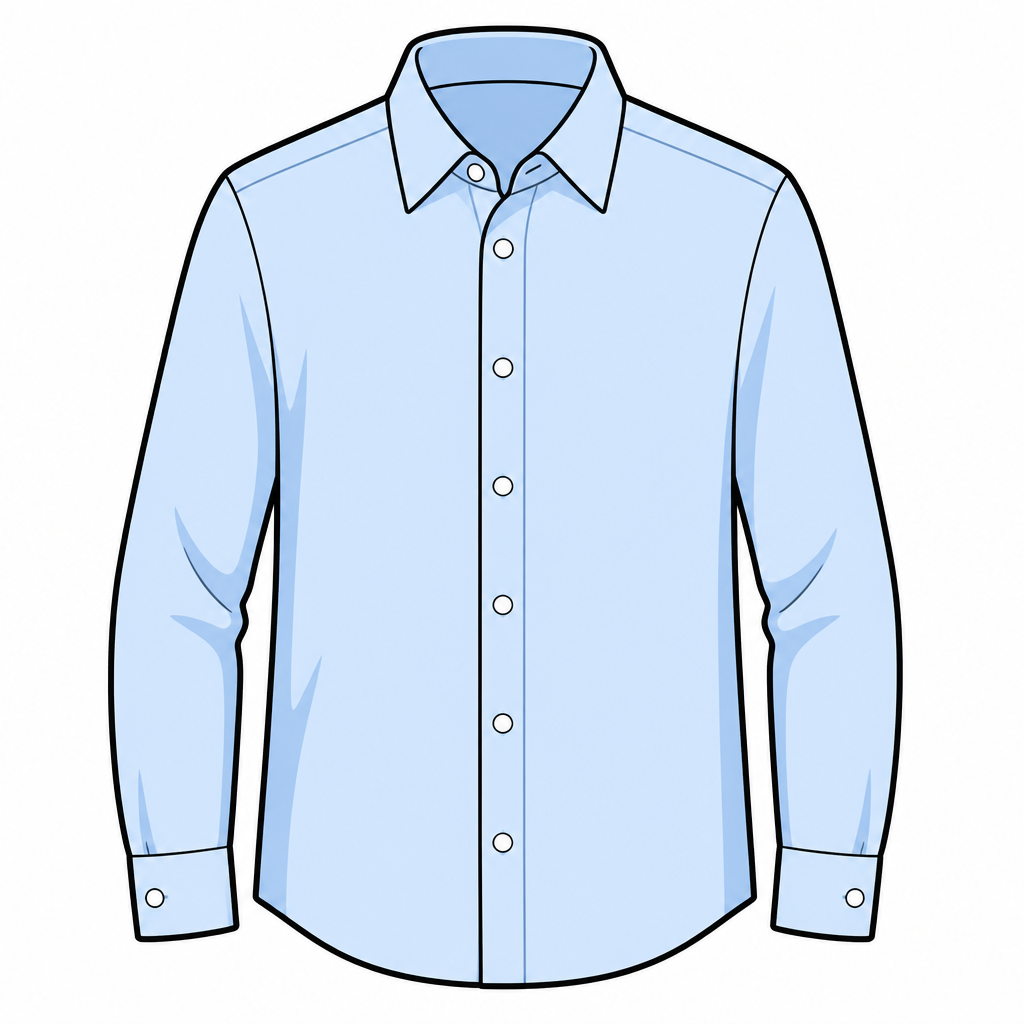 | 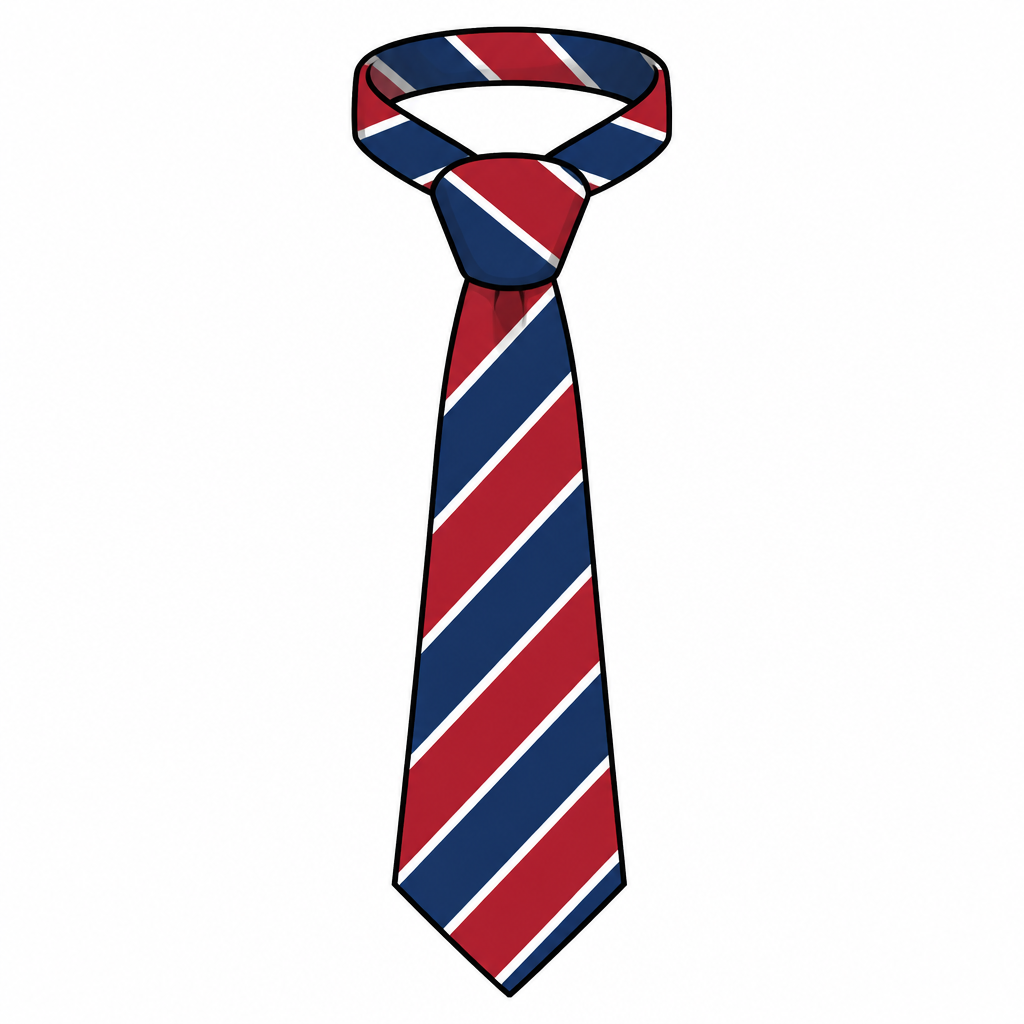 | 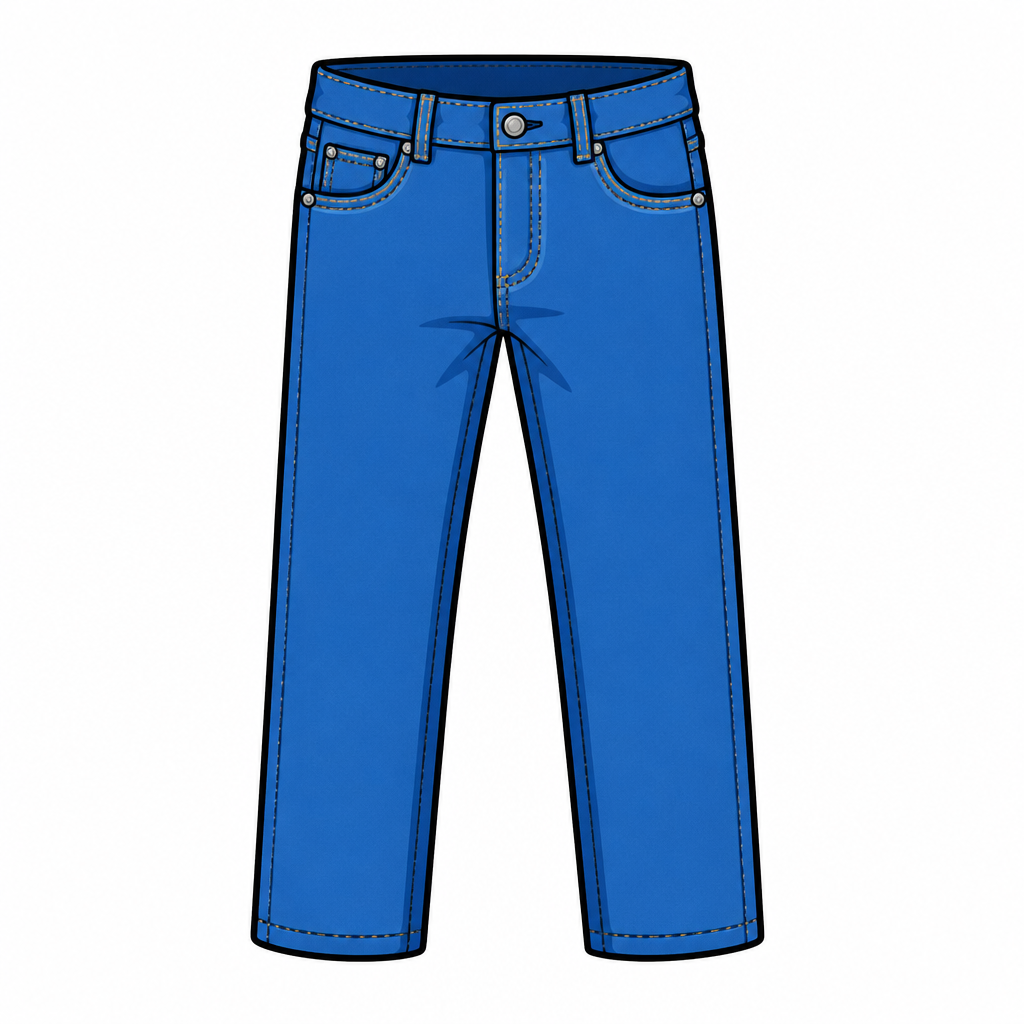 | 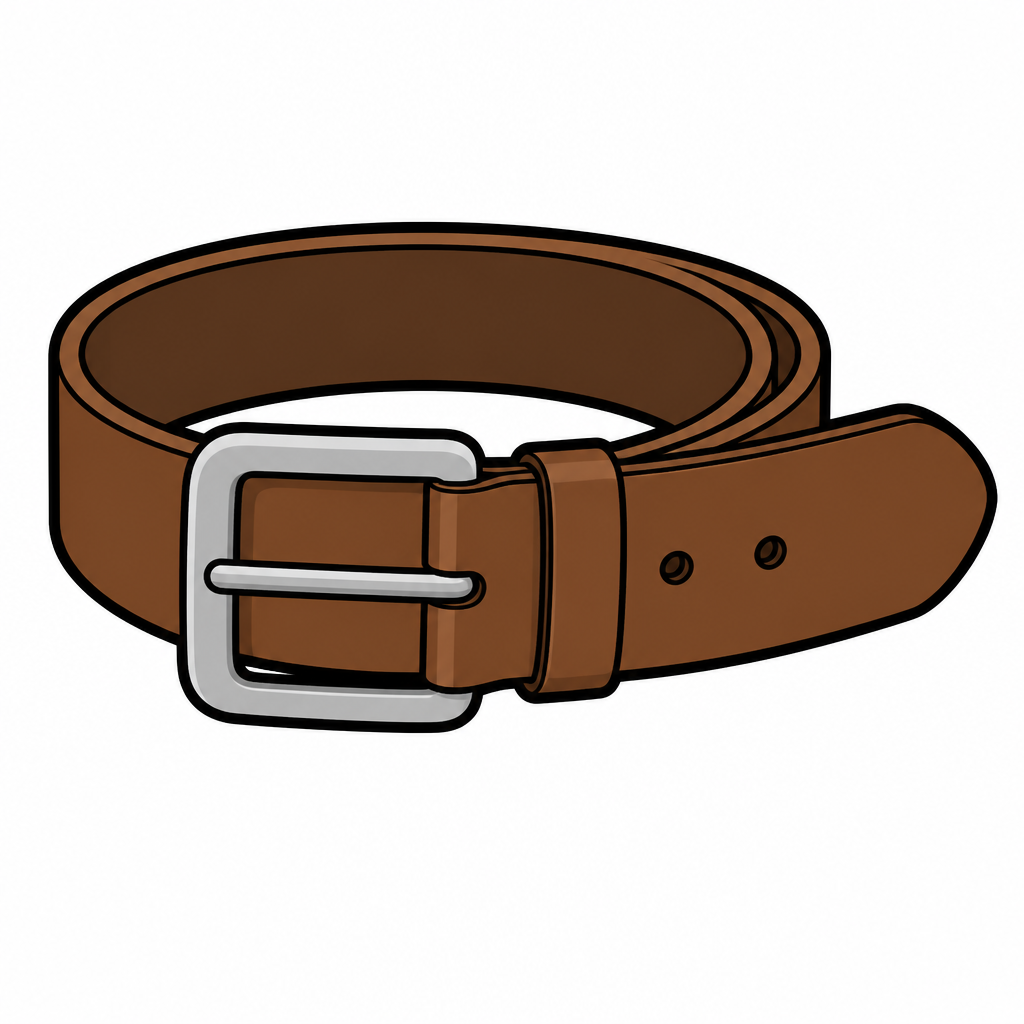 |  |
| ________ | ________ | ________ | ________ | ________ |
| shirt | tie | jeans | leather belt | socks |
Step 2
Listen to a conversation. A customer has entered a clothing store. Draw the item that the customer is looking for.
| 店員 dim3 jyun4 | |
| 客 haak3 | |
| 店員 dim3 jyun4 | |
| 客 haak3 |
Step 3
Listen to the conversation again. Read the script while listening. Check your answers.
| 店員 dim3 jyun4 | 歡迎光臨,想揾啲咩嘅? fun1 jing4 gwong1 lam4, soeng2 wan2 di1 me1 ge2? Welcome. What do you want to find? |
| 客 haak3 | 唔該啲襪放咗喺邊度呀? m4 goi1 di1 mat6 fong3 zo2 hai2 bin1 dou6 aa3? For the socks, where have you put them? |
| 店員 dim3 jyun4 | 啲襪放咗喺嗰邊。 di1 mat6 fong3 zo2 hai2 go2 bin6. For the socks, we have put them on that side. |
| 客 haak3 | 好,唔該晒。 hou2, m4 goi1 saai3. Good. [= Okay.] Thank you so much. |
- 店員 dim3 jyun4 = shop assistant
Step 4
Listen and repeat.
Step 5
Replace the highlighted words in the script with the information below to make your conversations.
Grammar and Vocabulary
In the Grammar and Vocabulary section, you will learn:
- Classifiers for Clothes and Accessories
- The Aspect Particle 咗 zo2 with Predicative Adjectives I
- The Verbal Particle 定 ding6 (‘in advance’)
- The Verbal Particle 過 gwo3 (‘over again’)
- The Verb 放 fong3 (‘to put’)
- Vocabulary List
- Vocabulary: Clothes and Accessories
- Vocabulary: Reasons for Buying Clothes and Accessories
51.1 Classifiers for Clothes and Accessories
Here are some common classifiers for clothes and accessories:
51.2 The Aspect Particle 咗 zo2 with Predicative Adjectives I
We have learned to use aspect particles and verbal particles with verbs. We can actually use aspect particles and verbal particles with adjectives too.
We can use the aspect particle 咗 zo2 with a predicative adjective. In this use, 咗 zo2 adds the meaning of ‘to have become’ to the sentence. We put 咗 zo2 after the predicate adjective. When 咗 zo2 is added, we don’t need to add an adverb (the default adverb 好 hou2 or other degree words) between the subject and the predicative adjective. We put the predicative adjective right after the subject.
If the adjective describes a quality that can vary in degrees (e.g., 高 gou1 ‘tall’, 肥 fei4 ‘fat’), 咗 zo2 adds the meaning of ‘to have become more’.
We can add the following adverbs after 咗 zo2 to indicate the degree of the quality.
51.3 The Verbal Particle 定 ding6 (‘in advance’)
The verbal particle 定 ding6 adds the meaning of ‘in advance’ to a sentence. We can use 定 ding6 to indicate that we do an action in advance as preparation for another activity.
我下個月去旅行呀,所以想睇定啲褸呀。
ngo5 haa6 go3 jyut6 heoi3 leoi5 hang4 aa3, so2 ji5 soeng2 tai2 ding6 di1 lau1 aa3.
I will go traveling next month, so I want to look at the coats in advance.
我下個月去飲呀,所以要買定條裙呀。
ngo5 haa6 go3 jyut6 heoi3 jam2 aa3, so2 ji5 jiu3 maai5 ding6 tiu4 kwan4 aa3.
I will go to a wedding dinner next month, so I need to buy a dress in advance.
51.4 The Verbal Particle 過 gwo3 (‘over again’)
In Grammar and Vocabulary 9.4, we learned that we can use the aspect particle 過 gwo3 to indicate we have experience of doing an activity in the past.
We can also use 過 gwo3 as a verbal particle. The verbal particle 過 gwo3 adds the meaning of ‘over again’ to a sentence. We can use 過 gwo3 to indicate that we do an action again from the start. We usually use 過 gwo3 when we did the action once before (e.g., we bought a scarf before), but the result was not favorable (e.g., we have lost the scarf), so we need to do the action again (e.g., we buy a new scarf).
我唔見咗條頸巾呀,所以想買過條新嘅呀。
ngo5 m4 gin3 zo2 tiu4 geng2 gan1 aa3, so2 ji5 soeng2 maai5 gwo3 tiu4 san1 ge3 aa3.
I have lost the scarf, so I want to buy a new one over again.
我對皮鞋爛咗呀,所以要買過對新嘅呀。
ngo5 deoi3 pei4 haai4 laan6 zo2 aa3, so2 ji5 jiu3 maai5 gwo3 deoi3 san1 ge3 aa3.
My pair of leather shoes has become broken, so I need to buy a new pair over again.
51.5 The Verb 放 fong3 (‘to put’)
In Grammar and Vocabulary 49.1, we learned that the verb 放 fong3 means ‘to put’.
If we want to indicate we put a thing at a specific location, we can add a prepositional phrase with 喺 hai2 (‘in, on, at’) and the location after 放 fong3 and the object. 放 fong3 is a special verb. We put the prepositional phrase after the verb and the object, instead of before them.
We can put 邊度 bin1 dou6 (‘where’) after 喺 hai2 to ask where someone puts a thing.
If we only want to indicate the thing is put at a specific location without mentioning who put it there explicitly, we can omit the subject and move the object to the beginning of the sentence, making it the topic of the sentence.
Again, we can put 邊度 bin1 dou6 (‘where’) after 喺 hai2 to ask where a thing is put.
51.6 Vocabulary List
51.7 Vocabulary: Clothes and Accessories
Tops
Classifier: 件 gin6
Exception: 個 go3 or 對 deoi3 (‘pair’) for bras
Bottoms
Classifier: 條 tiu4
Footwear
Classifier: 對 deoi3 for a pair, 隻 zek3 for a single one
Other Clothing
Accessories
51.8 Vocabulary: Reasons for Buying Clothes and Accessories
Communication
In the Communication section, you will learn:
- Talking About Shopping Plans
- Entering a Store
Talking About Shopping Plans
When we go shopping with someone, we can ask what they want to buy.
After that, we can suggest the shop we can go to.
Entering a Store
When we enter a store, the shop assistant will sometimes welcome us.
The shop assistant will sometimes check if we need any help too.
- The verb particle 返 faan1 here indicates that the action 介紹 gaai3 siu6 (‘to introduce’) is good for us as we can get information about the products.
If we want to browse around on our own, we can say:
If we want them to show us a type of product, we can say:
If we want to know where a section is, we can say:
Exercises
Exercise 1
Complete the descriptions.
1.
We can use the verbal particle ________ to indicate that we do an action in advance as preparation for another activity.
2.
We can use the verbal particle ________ to indicate that we do an action again from the start because the result was not favorable last time.
Exercise 2
Listen to each sentence. Identify the item mentioned in the sentence. Then, check your answers and repeat after the recordings.
Example
我想睇下啲T恤呀。
ngo5 soeng2 tai2 haa5 di1 ti1 seot1 aa3.
I want to look at the T-shirts.
1.
________
2.
________
3.
________
4.
________
5.
________
6.
________
7.
________
8.
________
9.
________
10.
________
Exercise 3
Follow the example to complete the sentences. Then, check your answers and repeat after the recordings. In this exercise, there may be more than one correct answer.
Example
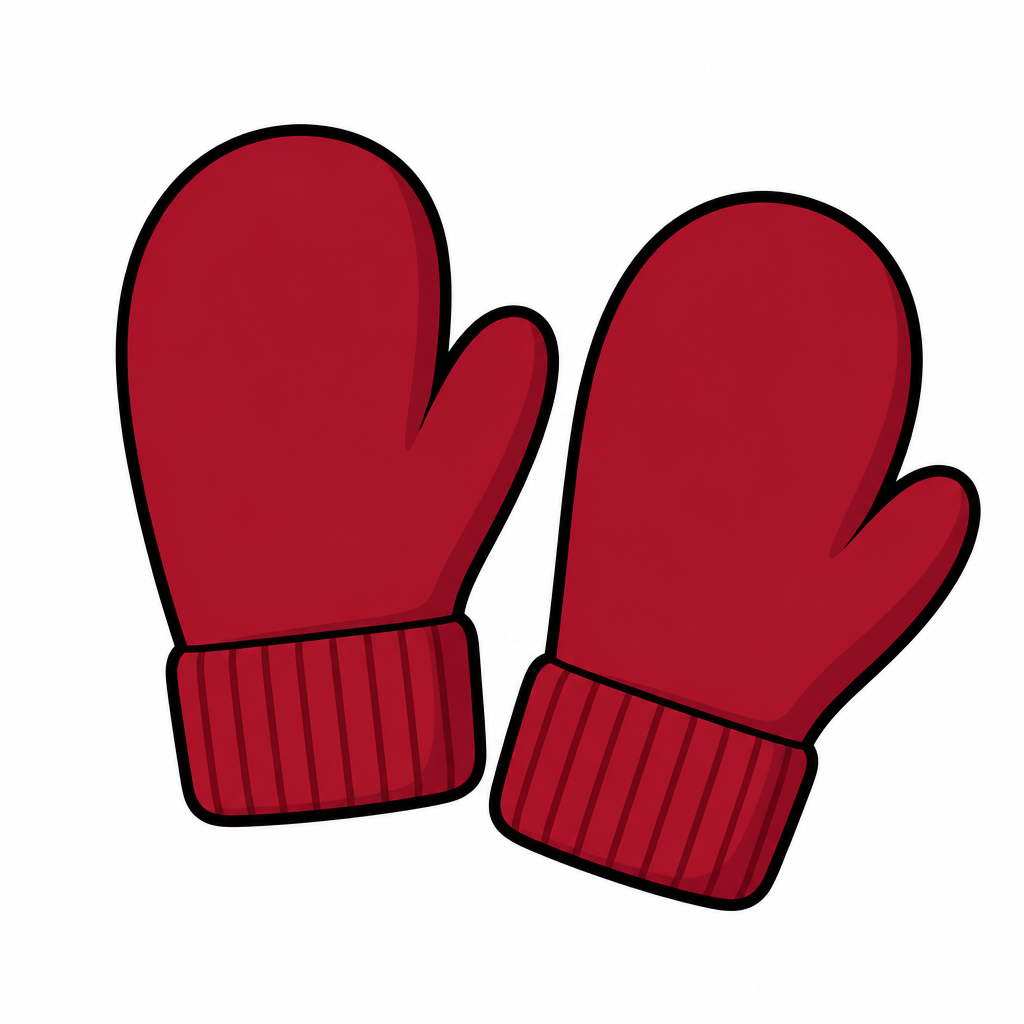
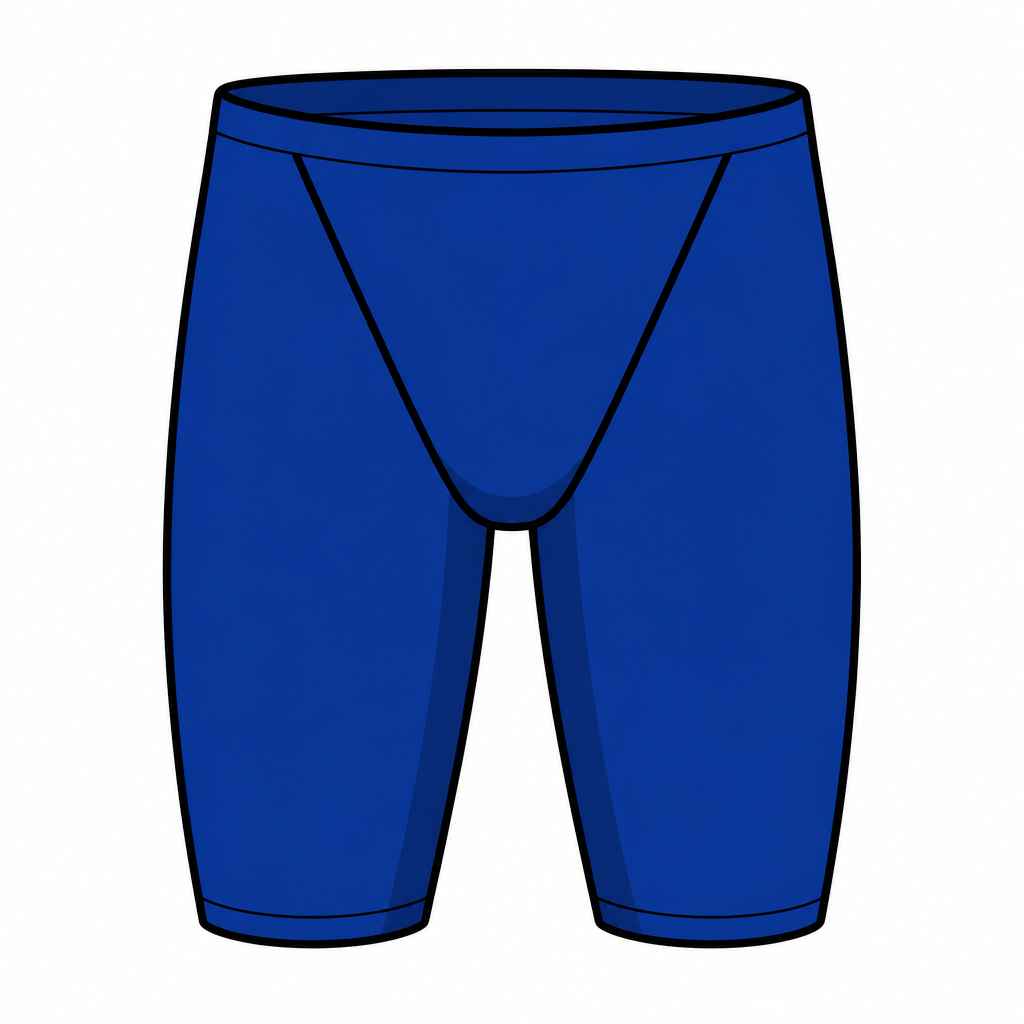
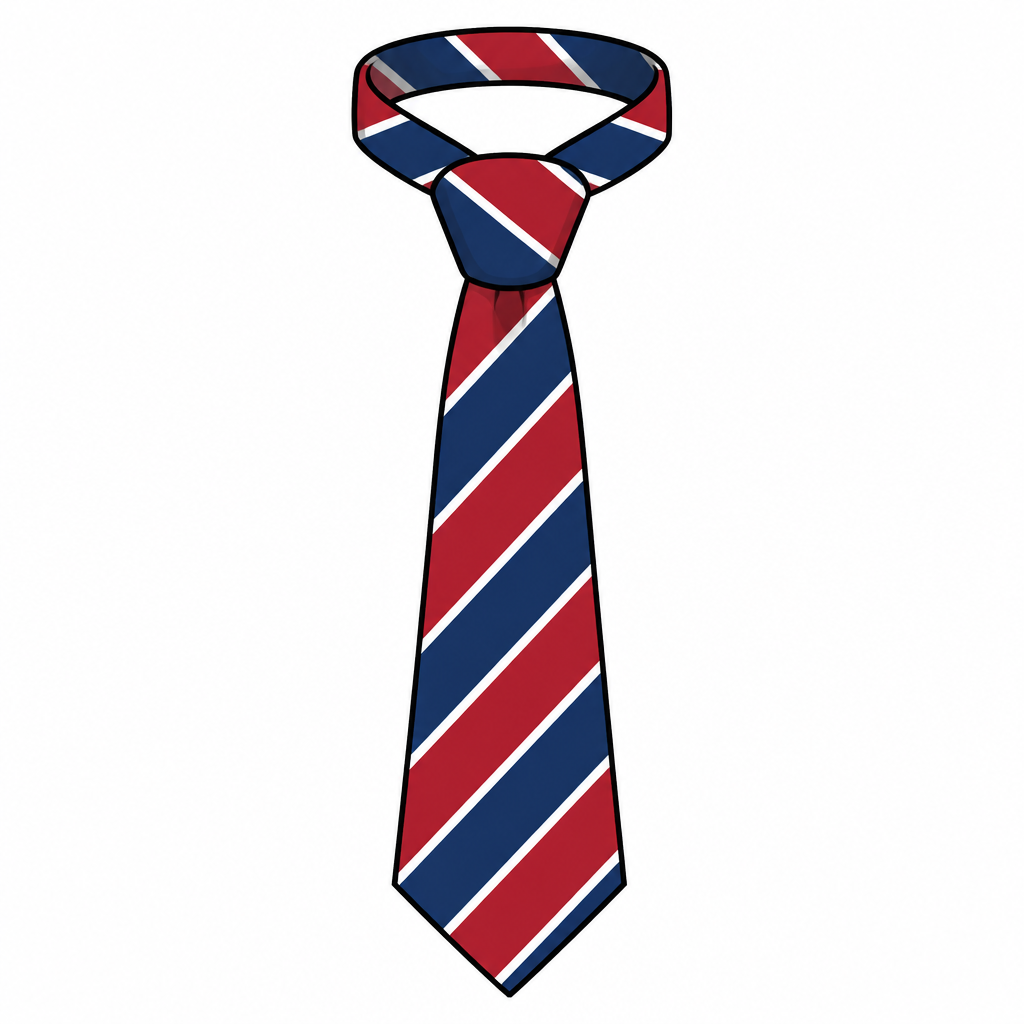
唔該啲手襪放咗喺邊度呀?
m4 goi1 di1 sau2 mat6 fong3 zo2 hai2 bin1 dou6 aa3?
For the mittens or gloves, where have you put them?
1.
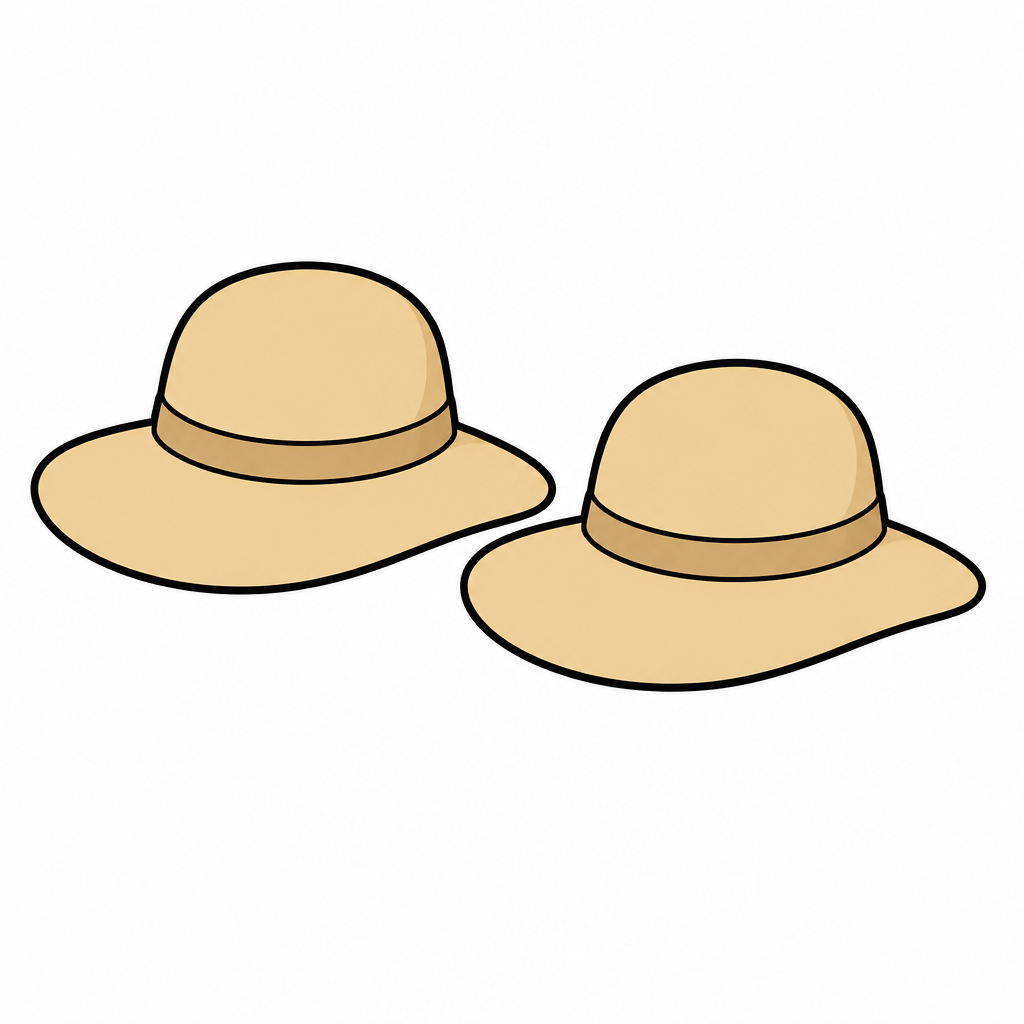
________
2.

________
3.
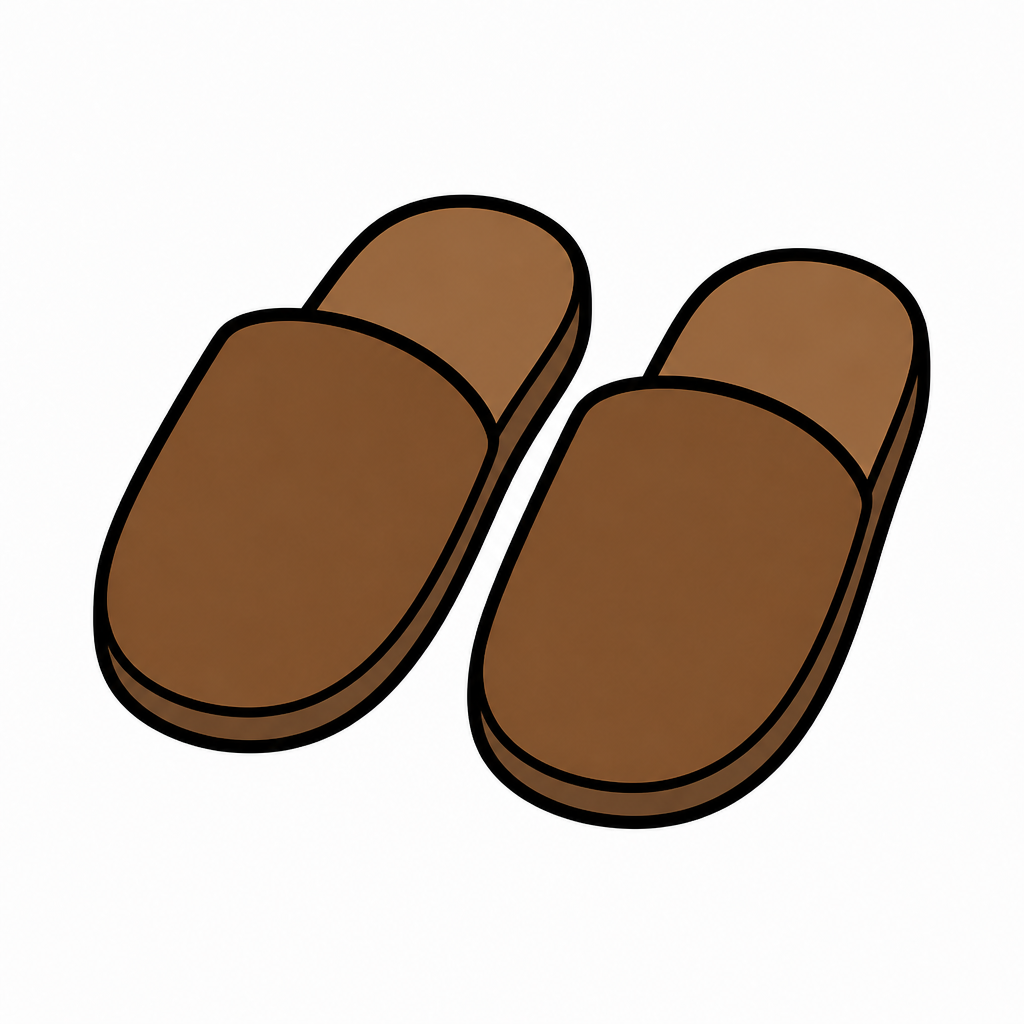
________
4.
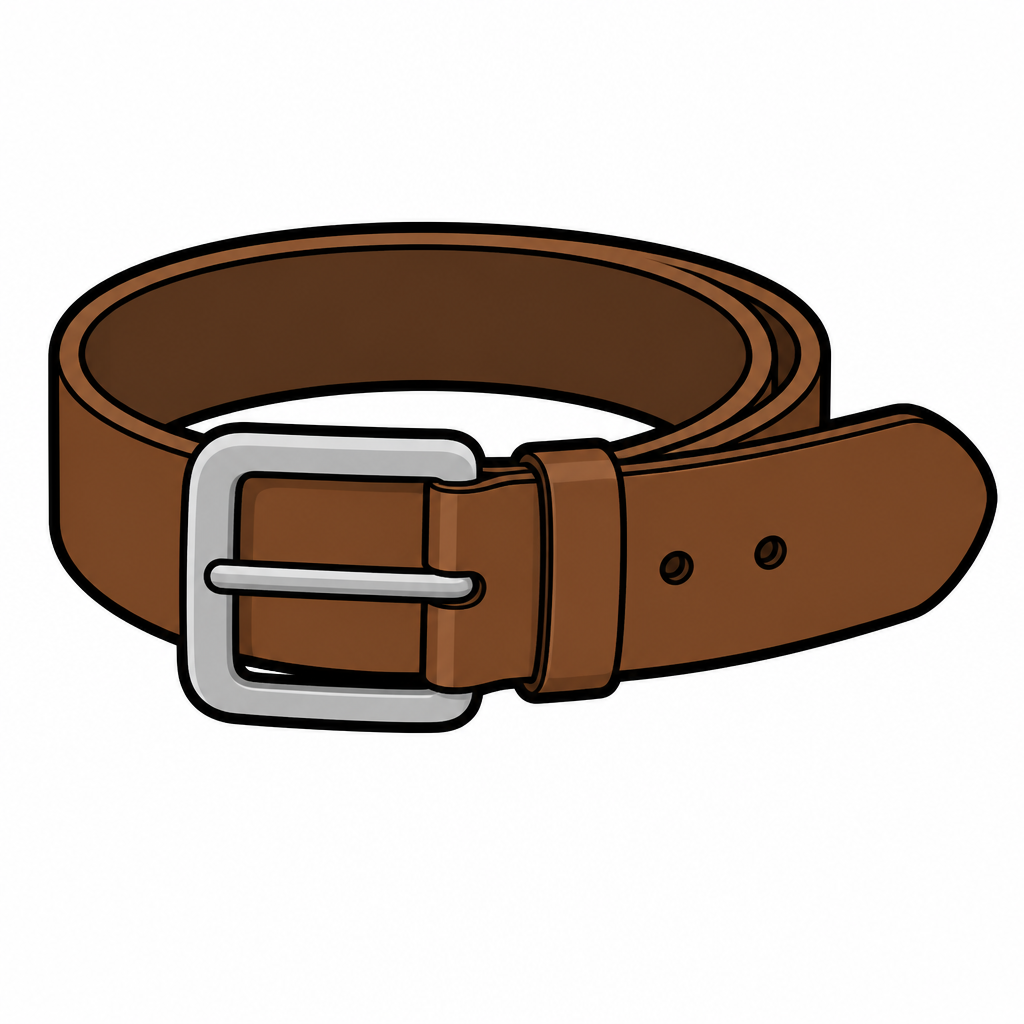
________
5.
________
6.
________
________
Exercise 4
Use the words in the brackets to complete the sentences. Then, check your answers and repeat after the recordings. In this exercise, there may be more than one correct answer.
Example
ngo5 deoi3 pei4 haai4 hou2 gau6 laa3, so2 ji5 nam2 zyu6 maai5 gwo3 deoi3 san1 ge3 aa3.
My pair of leather shoes is very old already, so I plan to buy a new pair over again.
1.
________, so2 ji5 nam2 zyu6 maai5 gwo3 gin6 san1 ge3 aa3.
________
2.
________, so2 ji5 nam2 zyu6 maai5 gwo3 di1 dai2 fu3 bei2 keoi5 aa3.
________
3.
________, so2 ji5 nam2 zyu6 maai5 gwo3 tiu4 san1 ge3 aa3.
________
4.
________, so2 ji5 nam2 zyu6 maai5 gwo3 deoi3 san1 ge3 aa3.
________
5.
________, so2 ji5 nam2 zyu6 maai5 gwo3 di1 saam1 bei2 keoi5 aa3.
________
6.
________, so2 ji5 nam2 zyu6 maai5 gwo3 deng2 san1 ge3 aa3.
________
Exercise 5
Use the words in the brackets to complete the sentences. Then, check your answers and repeat after the recordings. In this exercise, there may be more than one correct answer.
Example
ngo5 fu3 taai3 joeng4 ngaan5 geng2 laan6 zo2 aa3, so2 ji5 jiu3 maai5 gwo3 fu3 san1 ge3 aa3.
My sunglasses have become broken, so I need to buy a new one over again.
⭐ Add either 定 ding6 or 過 gwo3 to your answers. Use 定 ding6 whenever possible.
1.
ngo5 zek3 sau2 biu1 waai6 zo2 aa3, ________.
________
2.
ngo5 jat1 jyut6 heoi3 jat6 bun2 leoi5 hang4 aa3, ________.
________
3.
ngo5 go3 daai6 zai2 gou1 zo2 hou2 do1 aa3, ________.
________
4.
ngo5 haa6 go3 jyut6 jiu3 heoi3 gin3 gung1 aa3, ________.
________
5.
ngo5 haa6 go3 jyut6 heoi3 pang4 jau5 ge3 fan1 lai5 aa3, ________.
________
6.
ngo5 m4 gin3 zo2 deoi3 sau2 mat6 aa3, ________.
________
Activities
Activity 1
Listen to three conversations. In each conversation, the speakers will talk about their shopping plan and then go to a clothing store. After listening to each conversation, listen to the questions and answer them in complete sentences.
Conversation 1
1. ________
________
2. ________
________
3. ________
________
4. ________
________
| Jessica | |
| Nicole | |
| Jessica | |
| Nicole | |
| Jessica | |
A few moments later… | |
| 店員 dim3 jyun4 | |
| Nicole | |
| 店員 dim3 jyun4 | |
| Nicole |
Conversation 2
5. ________
________
6. ________
________
7. ________
________
8. ________
- 店員 dim3 jyun4 = shop assistant
| 陳太 can4 taai2 | |
| 黃太 wong4 taai2 | |
| 陳太 can4 taai2 | |
| 黃太 wong4 taai2 | |
| 陳太 can4 taai2 | |
A few moments later… | |
| 店員 dim3 jyun4 | |
| 陳太 can4 taai2 | |
| 黃太 wong4 taai2 |
Conversation 3 (Explicit)
9. ________
________
10. ________
________
11. ________
________
12. ________
________
| 阿豪 aa3 hou4 | |
| 阿傑 aa3 git6 | |
| 阿豪 aa3 hou4 | |
| 阿傑 aa3 git6 | |
| 阿豪 aa3 hou4 | |
A few moments later… | |
| 店員 dim3 jyun4 | |
| 阿豪 aa3 hou4 | |
| 店員 dim3 jyun4 |
Transcripts with Translation
Conversation 1
| Jessica | 你諗住睇啲咩呀? nei5 nam2 zyu6 tai2 di1 me1 aa3? What do you plan to look at? |
| Nicole | 我一月去日本呀,所以要買定件褸呀。 ngo5 jat1 jyut6 heoi3 jat6 bun2 aa3, so2 ji5 jiu3 maai5 ding6 gin6 lau1 aa3. I will go to Japan in January, so I need to buy a coat in advance. |
| Jessica | 樓上有間新嘅舖喎,我上個禮拜行過,佢哋啲衫幾平。 lau4 soeng6 jau5 gaan1 san1 ge3 pou3 wo3, ngo5 soeng6 go3 lai5 baai3 haang4 gwo3, keoi5 dei6 di1 saam1 gei2 peng4. There is a new shop upstairs. I browsed last week. Their clothes are quite cheap. The verb 行 haang4 means ‘to browse (in a shop)’ here. |
| Nicole | 喺樓上呀?噉不如而家去睇下吖。 hai2 lau4 soeng6 aa3? gam2 bat1 jyu4 ji4 gaa1 heoi3 tai2 haa5 aa1. Upstairs? Then, why don’t we go there to have a look now? |
| Jessica | 好呀。 hou2 aa3. Good. [= Sure.] |
A few moments later… | |
| 店員 dim3 jyun4 | 歡迎光臨,隨便睇下。想揾啲咩嘅? fun1 jing4 gwong1 lam4, ceoi4 bin2 tai2 haa5. soeng2 wan2 di1 me1 ge2? Welcome. Have a look as you like. What do you want to find? |
| Nicole | 唔該啲褸放咗喺邊度呀? m4 goi1 di1 lau1 fong3 zo2 hai2 bin1 dou6 aa3? For the coats, where have you put them? |
| 店員 dim3 jyun4 | 啲褸放咗喺最入邊。 di1 lau1 fong3 zo2 hai2 zeoi3 jap6 bin6. For the coats, we have put them in the inmost area. |
| Nicole | 好,唔該晒。 hou2, m4 goi1 saai3. Good. [= Okay.] Thank you so much. |
Conversation 2
| 陳太 can4 taai2 | 你有啲咩想睇呀? nei5 jau5 di1 me1 soeng2 tai2 aa3? You have what you want to look at? [= What do you want to look at?] |
| 黃太 wong4 taai2 | 我想買過啲短褲呀,我屋企啲短褲好舊喇,你呢?有啲咩想睇呀? ngo5 soeng2 maai5 gwo3 di1 dyun2 fu3 aa3, ngo5 uk1 kei2 di1 dyun2 fu3 hou2 gau6 laa3, nei5 ne1? jau5 di1 me1 soeng2 tai2 aa3? I plan to buy some shorts over again. My home’s shorts are very old already. How about you? You have what you want to look at? [= What do you want to look at?] |
| 陳太 can4 taai2 | 我要同啲仔女去沙灘呀,所以要買定對靚嘅拖鞋呀。 ngo5 jiu3 tung4 di1 zai2 neoi2 heoi3 saa1 taan1 aa3, so2 ji5 jiu3 maai5 ding6 deoi3 leng3 ge3 to1 haai2 aa3. I need to go to the beach with my children, so I need to buy a pair of beautiful slippers in advance. The adjective 靚 leng3 here means ‘beautiful’. |
| 黃太 wong4 taai2 | 噉不如我哋去前邊間運動舖睇下吖。 gam2 bat1 jyu4 ngo5 dei6 heoi3 cin4 bin6 gaan1 wan6 dung6 pou2 tai2 haa5 aa1. Then, why don’t we go to the sports store in front to have a look? |
| 陳太 can4 taai2 | 好呀。 hou2 aa3. Good. [= Sure.] |
A few moments later… | |
| 店員 dim3 jyun4 | 歡迎光臨,隨便睇下。使唔使介紹返嘅? fun1 jing4 gwong1 lam4, ceoi4 bin2 tai2 haa5. sai2 m4 sai2 gaai3 siu6 faan1 ge2? Welcome. Have a look as you like. Do I need to introduce something to you? [= Can I help you find something?] |
| 陳太 can4 taai2 | 我哋自己睇下得喇,唔該晒。 ngo5 dei6 zi6 gei2 tai2 haa5 dak1 laa3, m4 goi1 saai3. We have a look ourselves is okay. Thank you so much. |
| 黃太 wong4 taai2 | 唔該晒。 m4 goi1 saai3. Thank you so much. |
Conversation 3 (⚠️ Explicit)
| 阿豪 aa3 hou4 | 你要買啲咩呀? nei5 jiu3 maai5 di1 me1 aa3? What do you need to buy? |
| 阿傑 aa3 git6 | 我要買過條呔呀,我聽朝去見工,但係唔見撚咗條呔呀,屌。 ngo5 jiu3 maai5 gwo3 tiu4 taai1 aa3, ngo5 ting1 ziu1 heoi3 gin3 gung1, daan6 hai6 m4 gin3 nan2 zo2 tiu4 taai1 aa3, diu2. I need to buy a tie over again. I will go to attend a job interview tomorrow morning, but I have fucking lost the tie. Fuck. |
| 阿豪 aa3 hou4 | 噉我哋去三樓間西裝舖睇下吖。 gam2 ngo5 dei6 heoi3 saam1 lau2 gaan1 sai1 zong1 pou2 tai2 haa5 aa1. Then, let’s go to the suit store on the third floor to have a look. |
| 阿傑 aa3 git6 | 好呀。 hou2 aa3. Good. [= Sure.] |
| 阿豪 aa3 hou4 | 我都想買過條皮帶呀,我兩條皮帶都好殘喇。 ngo5 dou1 soeng2 maai5 gwo3 tiu4 pei4 daai2 aa3, ngo5 loeng5 tiu4 pei4 daai2 dou1 hou2 caan4 laa3. I want to buy a leather belt over again too. Both of my two leather belts are very shabby already. |
A few moments later… | |
| 店員 dim3 jyun4 | 歡迎光臨,隨便睇下。想揾啲咩嘅? fun1 jing4 gwong1 lam4, ceoi4 bin2 tai2 haa5. soeng2 wan2 di1 me1 ge2? Welcome. Have a look as you like. What do you want to find? |
| 阿豪 aa3 hou4 | 唔該我哋想睇下啲呔先嘅。 m4 goi1 ngo5 dei6 soeng2 tai2 haa5 di1 taai1 sin1 ge3. We want to have a look at the ties first, please. |
| 店員 dim3 jyun4 | 呢邊吖。 ni1 bin6 aa1. This way, please. |
Activity 2
Form a pair. Imagine you are going shopping with your partner. Make a conversation to talk about what you want to look at or buy.
After the first conversation, make another conversation. This time, before starting, choose one item for your partner. Your partner has to come up with why they want to look at or buy the item. Start the second conversation when you are ready.
Activity 3
Form a pair. Make four conversations. Play these two roles in turn:
- Role A: You are a customer. You have just entered a clothing store.
- Role B: You are a shop assistant of the clothing store. A customer has just entered the store. Help the customer.
Swap your roles after each conversation. Try to use different expressions each time.