Print or Export
你知唔知道可以坐咩車去呀?
nei5 zi1 m4 zi1 dou3 ho2 ji5 zo6 me1 ce1 heoi3 aa3?
nei5 zi1 m4 zi1 dou3 ho2 ji5 zo6 me1 ce1 heoi3 aa3?
Listen and Speak
Step 1
Listen to the names for the public transport below. Complete their names.
| 1. | 2. | 3. | 4. | 5. |
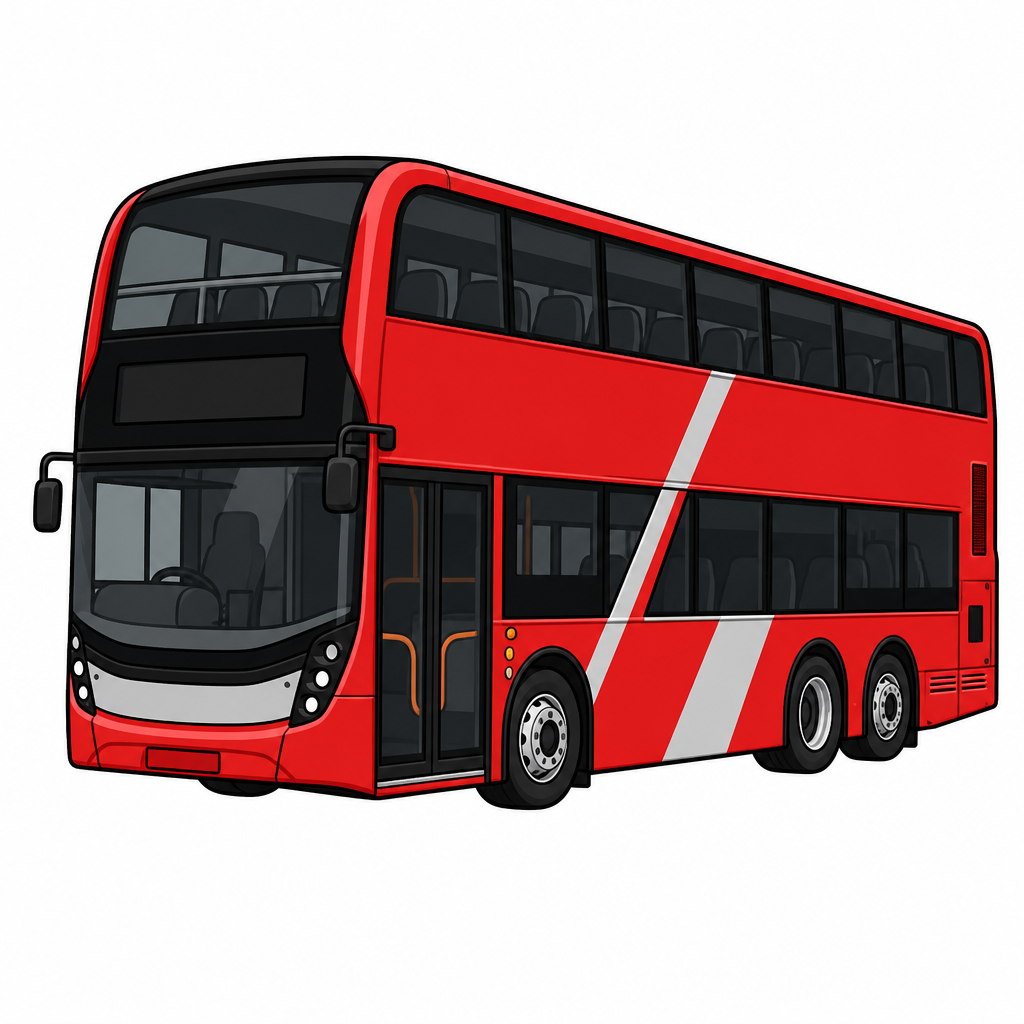 | 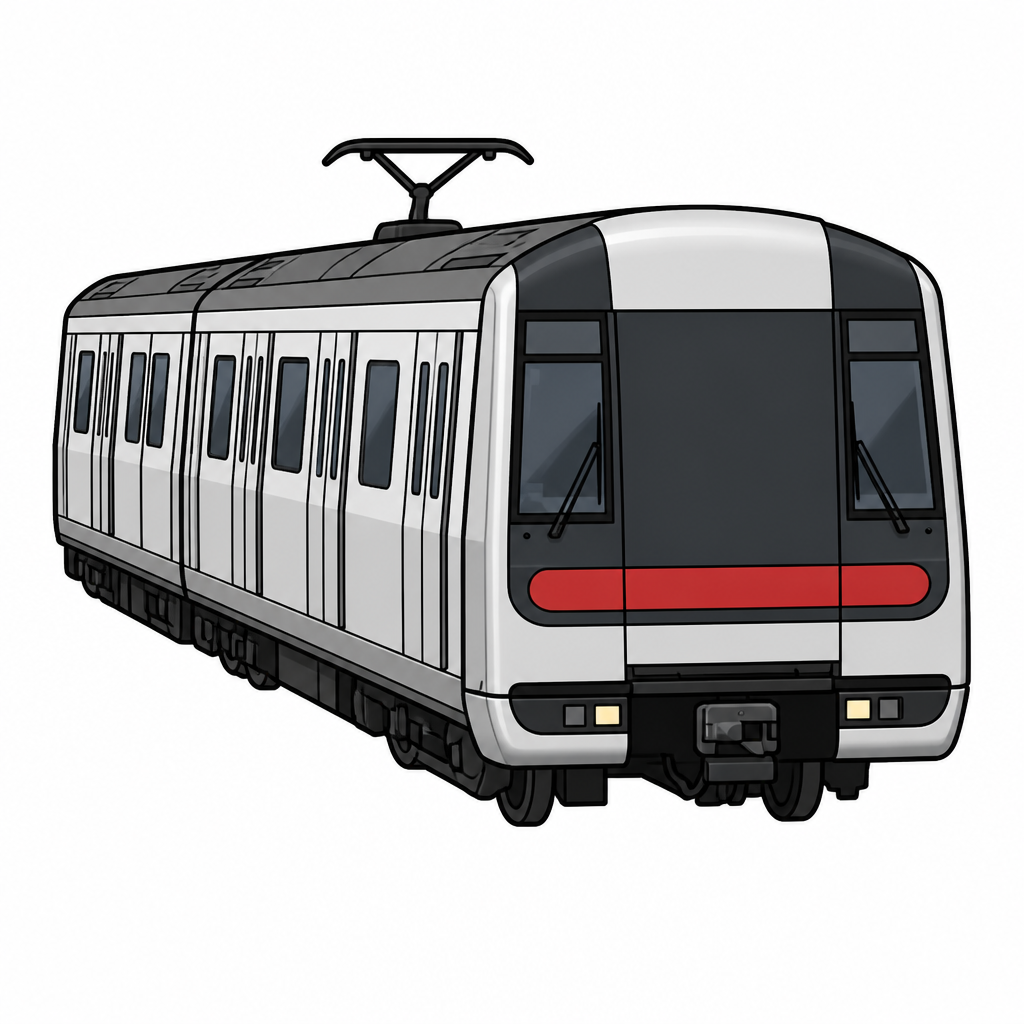 | 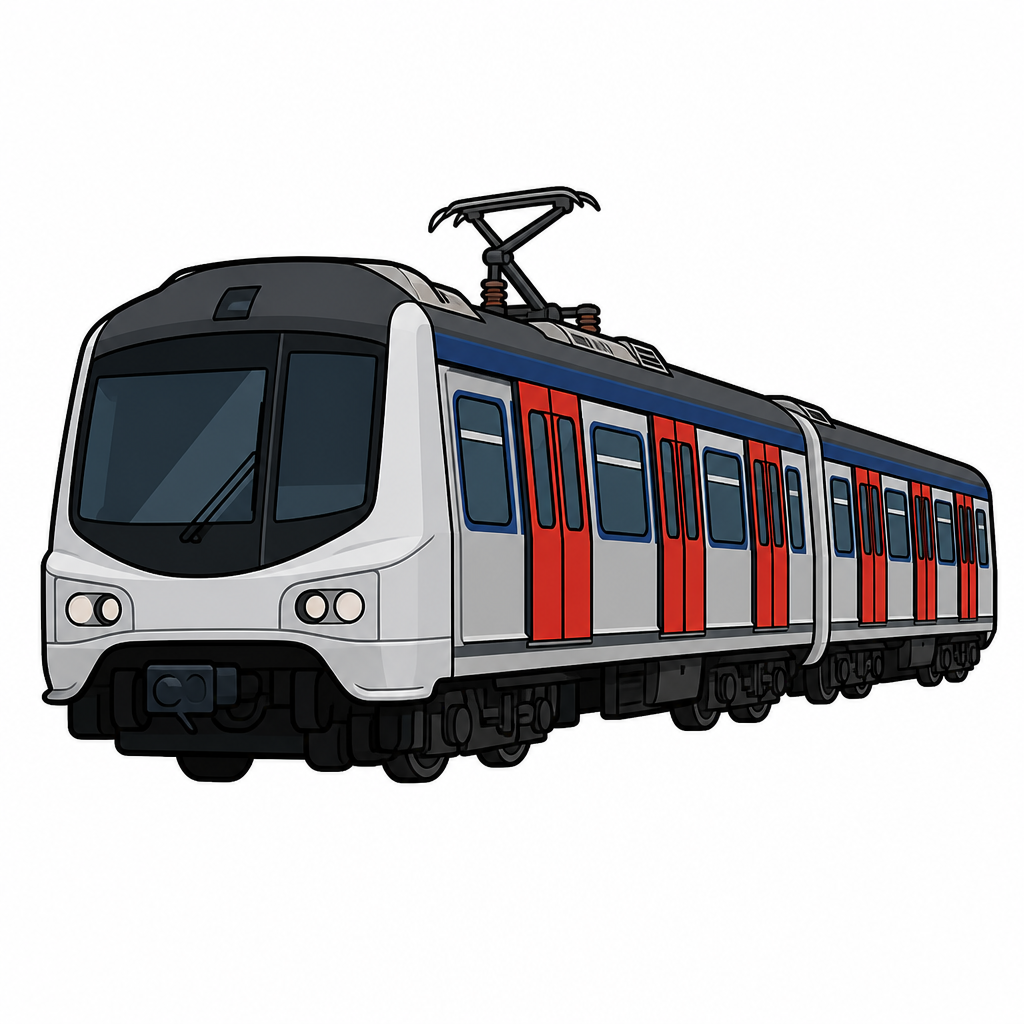 | 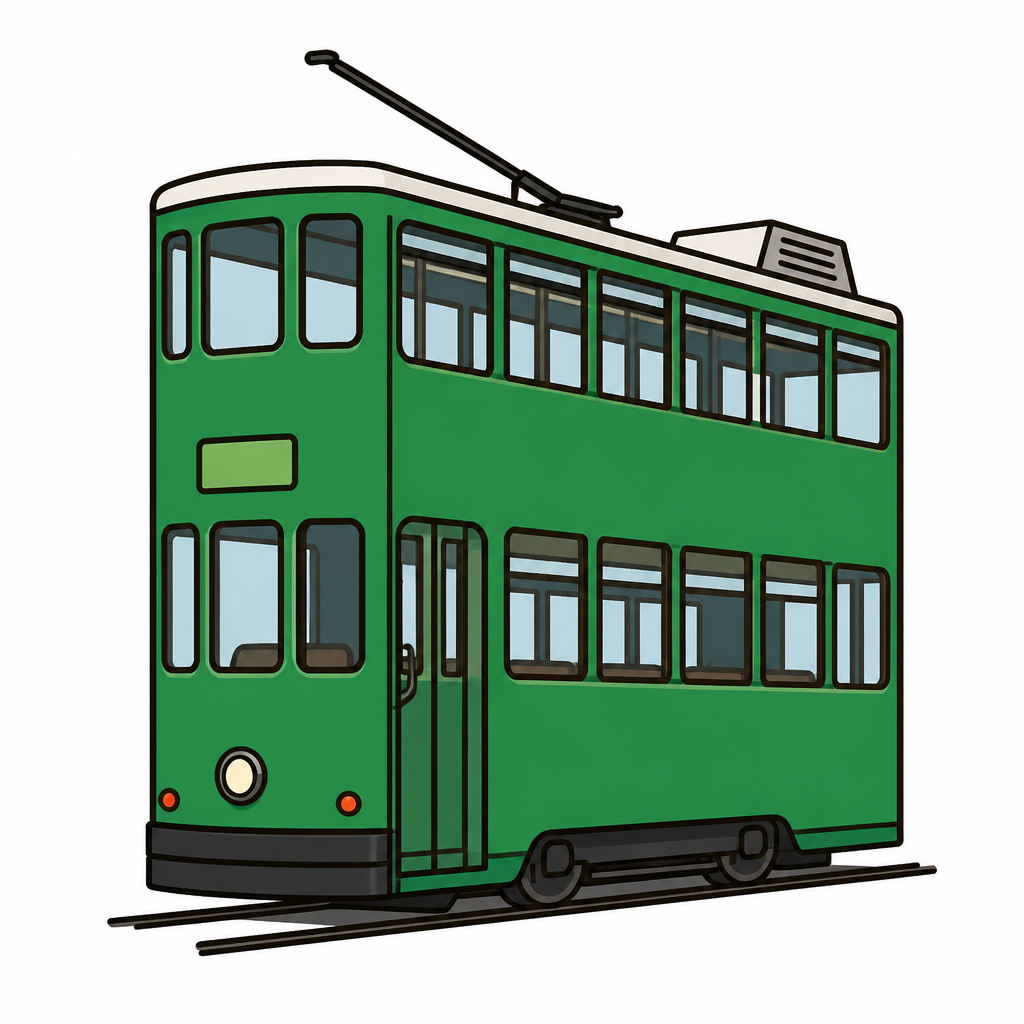 | 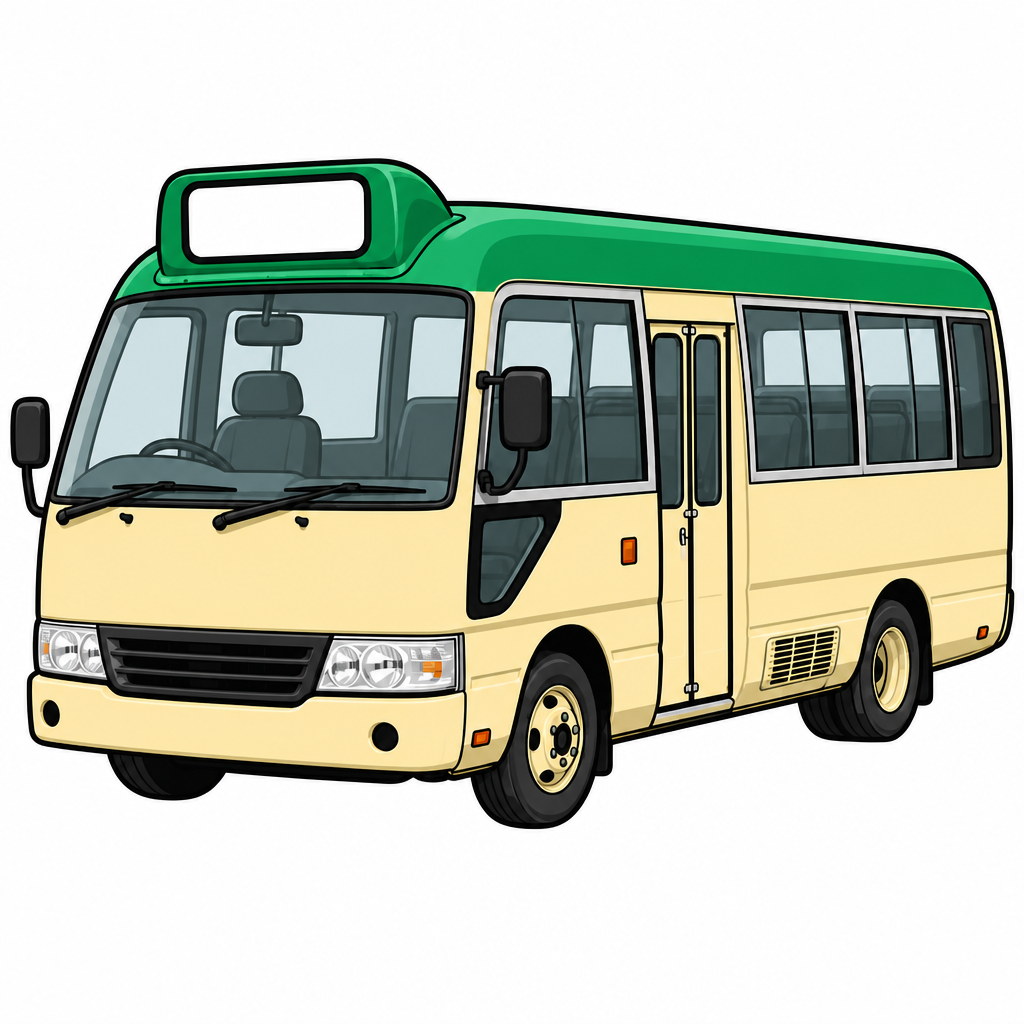 |
| 巴士 ____ si2 | 地鐵 ____ tit3 | 火車 fo2 ____ | 電車 ____ ce1 | 小巴 siu2 ____ |
| bus | subway | train | tram | minibus |
Step 2
Listen to a conversation. The speakers will talk about how to get to a place. Write down the public transport they have mentioned.
________| A | |
| B | |
| A | |
| B |
Step 3
Listen to the conversation again. Read the script while listening. Check your answers.
| A | 你有冇去過車公廟呀? nei5 jau5 mou5 heoi3 gwo3 ce1 gung1 miu2 aa3? Have you gone to Che Kung Temple before? |
| B | 有呀,做咩呀? jau5 aa3, zou6 me1 aa3? Yes. Why? |
| A | 我聽日同朋友去拜車公呀,你知唔知道可以坐咩車去呀? ngo5 ting1 jat6 tung4 pang4 jau5 heoi3 baai3 ce1 gung1 aa3, nei5 zi1 m4 zi1 dou3 ho2 ji5 co5 me1 ce1 heoi3 aa3? I will go there to worship Che Kung with my friend(s) tomorrow. Do you know what public transport I can take to go there? |
| B | 車公廟呀?可以坐火車去。 ce1 gung1 miu2 aa4? ho2 ji5 co5 fo2 ce1 heoi3. Che Kung Temple? You can take the train to go there. |
- 車公廟 ce1 gung1 miu2 = Che Kung Temple
- 拜車公 baai3 ce1 gung1 = to worship Che Kung (literally ‘to worship + car + god’)
- 知道 zi1 dou3 = to know
- 坐 co5 + Transport = to take
- 車 ce1 = car; public transport
Step 4
Listen and repeat.
Step 5
Replace the highlighted words in the script with the information below to make your conversations.
Grammar and Vocabulary
In the Grammar and Vocabulary section, you will learn:
- The Adverb 再 zoi3 II (‘and then’)
- The Verbs 知 zi1 and 知道 zi1 dou3 (‘to know’)
- Making and Respond to Offers
- Clauses in the Subject Position
- Vocabulary List
- Vocabulary: Public Transport
- Vocabulary: Subway Lines in Hong Kong
- Vocabulary: Bus, Minibus and Light Rail Routes in Hong Kong
46.1 The Adverb 再 zoi3 II (‘and then’)
In Grammar and Vocabulary 24.13, we learned that the adverb 再 zoi3 means ‘again’. In Grammar and Vocabulary 39.6, we learned that 再 zoi3 can also add the meaning of ‘further’ to a sentence.
The adverb 再 zoi3 can also mean ‘and then’. We can use 再 zoi3 to indicate that two actions happen in successive order. We put 再 zoi3 between the two actions.
46.2 The Verbs 知 zi1 and 知道 zi1 dou3 (‘to know’)
The verbs 知 zi1 and 知道 zi1 dou3 mean ‘to know’ in the sense of ‘to have information’. We use 知 zi1 or 知道 zi1 dou3 to indicate that we know some information. We put the information after 知 zi1 or 知道 zi1 dou3.
To negate 知 zi1 or 知道 zi1 dou3, we put 唔 m4 before 知 zi1 or 知道 zi1 dou3.
We can use the X-not-X construction to form 知唔知 zi1 m4 zi1 or 知唔知道 zi1 m4 zi1 dou3, which mean ‘Do you know …?’. We put a question after 知唔知 zi1 m4 zi1 or 知唔知道 zi1 m4 zi1 dou3.
For positive answers, we can provide the information we know directly.
| A: | 你知唔知可以坐咩車去呀? nei5 zi1 m4 zi1 ho2 ji5 co5 me1 ce1 heoi3 aa3? 你知唔知道可以坐咩車去呀? nei5 zi1 m4 zi1 dou3 ho2 ji5 co5 me1 ce1 heoi3 aa3? Do you know what public transport I can take to go there? |
| B: | 你可以坐火車去。 nei5 ho2 ji5 co5 fo2 ce1 heoi3. You can take the train to go there. |
For negative answers, we can give a short answer, or say 我都唔知呀 ngo5 dou1 m4 zi1 aa3 or 我都唔知道呀 ngo5 dou1 m4 zi1 dou3 aa3 (‘I don’t know either’).
| A: | 你知唔知可以坐咩車去呀? nei5 zi1 m4 zi1 ho2 ji5 co5 me1 ce1 heoi3 aa3? 你知唔知道可以坐咩車去呀? nei5 zi1 m4 zi1 dou3 ho2 ji5 co5 me1 ce1 heoi3 aa3? Do you know what public transport I can take to go there? |
| B: | 唔知呀。 m4 zi1 aa3. 唔知道呀。 m4 zi1 dou3 aa3. No. 我都唔知呀。 ngo5 dou1 m4 zi1 aa3. 我都唔知道呀。 ngo5 dou1 m4 zi1 dou3 aa3. I don’t know either. |
46.3 Making and Respond to Offers
We, as kind people (you are, right?!), often offer our help to other people. Therefore, it is important to know how to make an offer. In the previous lessons, we have learned different methods to do so. Let’s review them.
To accept an offer, we can say 好呀 hou2 aa3 (‘Good’).
| A: | 使唔使車你去呀? sai2 m4 sai2 ce1 nei5 heoi3 aa3? Do I need to give you a ride to go there? |
| B: | 好呀,唔該。 hou2 aa3, m4 goi1. Good. [= Yes.] Thank you. |
To decline an offer, we can say 唔使喇 m4 sai2 laa3 (‘You don’t need to’). We usually add that we will handle the task on our own.
| A: | 使唔使車你去呀? sai2 m4 sai2 ce1 nei5 heoi3 aa3? Do I need to give you a ride to go there? |
| B: | 唔使喇,我自己坐車去得喇。 m4 sai2 laa3, m4 goi1, ngo5 zi6 gei2 co5 ce1 heoi3 dak1 laa3. You don’t need to. I take public transport on my own to go there is okay. |
46.4 Clauses in the Subject Position
We can put a clause in the subject position of a sentence. In the following examples, the subject is a clause that describes an action. The subject is then followed by a predicative adjective that comments on the action.
46.5 Vocabulary List
46.6 Vocabulary: Public Transport
To mean ‘to take a type of public transport’, we say 坐 co5 (‘to take’) or 搭 daap3 (‘to take’) and then the type of public transport.
坐 / 搭 + 地鐵
co5 / daap3 + dei6 tit3
to take the subway
坐 / 搭 + 巴士
co5 / daap3 + baa1 si2
to take the bus
We can use the verb 揸車 zaa1 ce1 (‘to drive’, literally ‘to drive + car’) to mean that we drive on our own instead of taking public transport.
We use the classifier 架 gaa3 with a vehicle.
一架巴士
jat1 gaa3 baa1 si2
a bus
一架的士
jat1 gaa3 dik1 si2
a taxi
For cars, we can also use the classifier 部 bou6.
一部巴士
jat1 bou6 baa1 si2
a bus
一部的士
jat1 bou6 dik1 si2
a taxi
We can use the classifier 班 baan1 to refer to a scheduled departure of public transport.
一班火車
jat1 baan1 fo2 ce1
a scheduled departure of the train
一班飛機
jat1 baan1 fei1 gei1
a scheduled departure of the plane [= a flight]
Here are the places where we can take public transport:
Culture: Subway or Train?
In the past, Hong Kong had two railway companies: Kowloon-Canton Railway (KCR) and Mass Transit Railway (MTR). The two companies ran different rail lines. People would refer to the line run by the KCR, which has become the East Rail Line now, as 火車 fo2 ce1 (‘train’) and the lines run by the MTR as 地鐵 dei6 tit3 (‘subway’). The two companies have merged into one later. Nowadays, some people use 地鐵 dei6 tit3 to refer to everything, but some old people (like the author) still use 火車 fo2 ce1 to refer to the East Rail Line.
46.7 Vocabulary: Subway Lines in Hong Kong
46.8 Vocabulary: Bus, Minibus and Light Rail Routes in Hong Kong
We will learn how to read a bus, minibus or light rail route in Hong Kong below.
Bus and Minibus Routes
1. Routes with one digit
If the route has one digit, we read the digit and then add the classifier 號 hou6 (‘number’).
9
九號
gau2 hou6
Note that for the number 2, we say 二 ji6 instead of 兩 loeng5 in this context.
2
二號
ji6 hou6
If the route ends with a letter, we read the letter after 號 hou6. We can optionally omit 號 hou6.
6X
六(號)X
luk6 (hou6) ik1 si4
2. Routes with two digits
If the route has two digits, we read the digits like normal numbers and then add the classifier 號 hou6.
81
八十一號
baat3 sap6 jat1 hou6
If the route ends with a letter, we read the letter after 號 hou6. We can optionally omit 號 hou6. Alternatively, we can read the digits one by one and then the letter without adding 號 hou6 in between.
72X
七十二(號)X
cat1 sap6 ji6 (hou6) ik1 si4
七二X
cat1 ji6 ik1 si4
3. Routes with three digits
If the route has three digits, we read the digits one by one and then can optionally add 號 hou6.
960
九六零(號)
gau2 luk6 ling4 (hou6)
If the route ends with a letter, we usually read the digits one by one and then the letter without adding 號 hou6.
249X
二四九X
ji6 sei3 gau2 ik1 si4
If you’re curious about how bus routes are numbered in Hong Kong, you can check out this Wikipedia page:
https://en.wikipedia.org/wiki/Hong_Kong_bus_route_numbering
Light Rail Routes
All light rail routes have three digits. We read the digits one by one and then can optionally add the word 線 sin3 (‘line’).
507
五零七(線)
ng5 ling4 cat1 (sin3)
705
七零五(線)
cat1 ling4 ng5 (sin3)
Some routes end with the English letter P. We can still optionally add 線.
507P
五零七P(線)
ng5 ling4 cat1 pi1 (sin3)
Communication
In the Communication section, you will learn:
- Asking for Transport Directions
Asking for Transport Directions
If we don’t know how to get to a place, we can use the expressions below to ask for transport directions. Both the verbs 坐 co5 and 搭 daap3 can mean ‘to take’. You can replace 坐 co5 with 搭 daap3 in the expressions below.
We may ask follow-up questions based on the type of transport the other person suggests.
Subway or Train
Bus
Minibus
When we need to get off a minibus in Hong Kong, we need to shout to let the driver know where we want to get off at. If we want to know when and what we should shout, we can ask:
- The punctuation marks 「…」 function like the quotation marks “…” in English.
Light Rail
If we don’t know where the station or the stop is, we can ask:
- There is usually more than one bus stop or minibus stop near us. Therefore, we usually add the classifier 個 go3 before 巴士站 baa1 si2 zaam6 (‘bus stop’) or 小巴站 siu2 baa1 zaam6 (‘minibus stop’) to form a definite noun phrase to refer to the specific one we should go to.
The other person may be very kind and offer to walk us to the station or the stop.
The other person may also offer to give us a ride.
Exercises
Exercise 1
Complete the descriptions.
1.
We can use the adverb ________ (‘and then’) to indicate that two actions happen in successive order.
2.
We use the verbs ________ or ________ (‘to know’) to indicate that we know some information.
3.
To make an offer, we can form a question with ________ or use the sentence particles ________ and ________.
Exercise 2
Follow the example to complete the sentences. Then, check your answers and repeat after the recordings.
Example
bus → Admiralty → subway
Hint: Admiralty = ________ ← Check the hint if you’re not familiar with Hong Kong places.
你可以坐巴士去金鐘再轉地鐵。
nei5 ho2 ji5 co5 baa1 si2 heoi3 gam1 zung1 zoi3 zyun3 dei6 tit3.
You can take the bus to go to Admiralty and then change to the subway.
1.
minibus → Causeway Bay → tram
Hint: Causeway Bay = ________
________
2.
ferry → Tsim Sha Tsui → bus
Hint: Tsim Sha Tsui = ________
________
3.
subway → Kowloon Bay → shuttle bus
Hint: Kowloon Bay = ________
________
4.
bus → Tuen Mun → light rail
Hint: Tuen Mun = ________
________
5.
subway → Central → ferry
Hint: Central = ________
________
6.
train → Tai Po → minibus
Hint: Tai Po = ________
________
Exercise 3
Listen to A and complete B. Then, check your answers and repeat after the recordings. In this exercise, there may be more than one correct answer.
Example
| A | 地鐵坐去咩站呀? dei6 tit3 co5 heoi3 me1 zaam6 aa3? For the subway, which station do I take it to go to? |
| B | (旺角 wong6 gok3) 坐去旺角站。 co5 heoi3 wong6 gok3 zaam6. Take it to go to Mong Kok Station. |
1.
| A | ________ |
| B | (上水 soeng6 seoi2) ________ |
2.
| A | ________ |
| B | (81) ________ |
3.
| A | ________ |
| B | (金鐘 gam1 zung1) ________ |
4.
| A | ________ |
| B | (27M) ________ It’s also okay to say 二七M ji6 cat1 em1. |
5.
| A | ________ |
| B | (615) ________ It’s also okay to omit 線 sin3. |
6.
| A | ________ |
| B | (總站 zung2 zaam6) ________ |
7.
| A | ________ |
| B | (巴士 baa1 si2) ________ |
8.
| A | ________ |
| B | (觀塘 gun1 tong4) ________ |
9.
| A | ________ |
| B | (6) ________ |
10.
| A | ________ |
| B | (荃灣 cyun4 waan1) ________ |
11.
| A | ________ |
| B | (何文田廣場 ho4 man4 tin4 gwong2 coeng4) ________ |
12.
| A | ________ |
| B | (409) ________ It’s also okay to omit 號 hou6. |
Exercise 4
Listen to B and complete A. When you complete A, use the words in the brackets. Then, check your answers and repeat after the recordings. In this exercise, there may be more than one correct answer.
Conversation 1 (Train)
| A | (點 dim2) ________ |
| B | ________ ↑ Listen to this first. |
| A | (咩 me1) ________ |
| B | ________ ↑ Listen to this first. |
Conversation 2 (Bus)
| A | (咩 me1) ________ |
| B | ________ |
| A | (邊 bin1) ________ |
| B | ________ |
| A | (咩 me1) ________ |
| B | ________ |
| A | (邊度 bin1 dou6) ________ |
| B | ________ |
Conversation 3 (Subway)
| A | (點 dim2) ________ |
| B | ________ |
| A | (邊 bin1) ________ |
| B | ________ |
| A | (邊 bin1) ________ |
| B | ________ |
| A | (咩 me1) ________ |
| B | ________ |
Conversation 4 (Minibus)
| A | (點 dim2) ________ |
| B | ________ |
| A | (幾多 gei2 do1) ________ |
| B | ________ |
| A | (邊度 bin1 dou6) ________ |
| B | ________ |
| A | (點 dim2) ________ |
| B | ________ |
Conversation 5 (Light rail)
| A | (咩 me1) ________ |
| B | ________ |
| A | (幾多 gei2 do1) ________ |
| B | ________ |
| A | (邊 bin1) ________ |
| B | ________ |
Activities
Activity 1
Listen to three conversations. The speakers will talk about how to get to a place. Fill in the table below. Try to write down the places in Romanized Cantonese even if you don’t know them.
Conversation 1
| A | |
| B | |
| A | |
| B | |
| A | |
| B | |
| A | |
| B | |
| A | |
| B | |
| A |
Conversation 2
| A | |
| B | |
| A | |
| B | |
| A | |
| B | |
| A | |
| B | |
| A | |
| B | |
| A |
Conversation 3
| A | |
| B | |
| A | |
| B | |
| A | |
| B | |
| A | |
| B | |
| A | |
| B | |
| A |
Transcripts with Translation
Conversation 1
| A | 我聽日同同學去濕地公園影相呀。你知唔知可以坐咩車去呀? ngo5 ting1 jat6 tung4 tung4 hok6 heoi3 sap1 dei6 gung1 jyun2 jing2 soeng2 aa3. nei5 zi1 m4 zi1 ho2 ji5 co5 me1 ce1 heoi3 aa3? I will go to Wetland Park to take photos with my classmate(s) tomorrow. Do you know what public transport I can take to go there? |
| B | 濕地公園呀?濕地公園你可以坐地鐵再轉輕鐵。 sap1 dei6 gung1 jyun2 aa4? sap1 dei6 gung1 jyun2 nei5 ho2 ji5 co5 dei6 tit3 zoi3 zyun3 hing1 tit3. Wetland Park? For Wetland Park, you can take the subway and then change to the light rail. |
| A | 地鐵坐邊條線呀? dei6 tit3 co5 bin1 tiu4 sin3 aa3? For the subway, which line do I take? |
| B | 坐觀塘線再轉屯馬線。 co5 gun1 tong4 sin3 zoi3 zyun3 tyun4 maa5 sin3. Take the Kwun Tong Line and then change to the Tuen Ma Line. |
| A | 喺邊個站轉車呀? hai2 bin1 go3 zaam6 zyun3 ce1 aa3? What station do I change trains at? |
| B | 喺鑽石山站轉車。 hai2 zyun3 sek6 saan1 zaam6 zyun3 ce1. Change trains at Diamond Hill Station. |
| A | 跟住坐去邊個站呀? gan1 zyu6 co5 heoi3 bin1 go3 zaam6 aa3? And then, which station do I take it to go to? |
| B | 坐去天水圍站,跟住喺天水圍站轉輕鐵。 co5 heoi3 tin1 seoi2 wai4 zaam6, gan1 zyu6 hai2 tin1 seoi2 wai4 zaam6 zyun3 hing1 tit3. Take it to go to Tin Shui Wai Station. And then, change to the light rail at Tin Shui Wai Station. |
| A | 噉輕鐵坐幾多號線呀? gam2 hing1 tit3 co5 gei2 do1 hou6 sin3 aa3? Then, for the light rail, what line number do I take? |
| B | 欸……輕鐵應該坐705(七零五)線,你可以上網揾下,跟住喺濕地公園站落車。 e6… hing1 tit3 jing1 goi1 co5 705 (cat1 ling4 ng5) sin3, nei5 ho2 ji5 soeng5 mong5 wan2 haa5, gan1 zyu6 hai2 sap1 dei6 gung1 jyun2 zaam6 lok6 ce1. For the light rail, you should be taking Line 705 [= it should be Line 705 if I’m right]. You can go on the Internet to have a search. And then, get off at Wetland Park Station. |
| A | 好,我上網check下。 hou2, ngo5 soeng5 mong5 check haa5. Good. [= Okay.] I will go on the Internet to have a check. |
Conversation 2
| A | 你知唔知演藝學院點去呀?我一陣去睇舞台劇呀。 nei5 zi1 m4 zi1 jin2 ngai6 hok6 jyun2 dim2 heoi3 aa3? ngo5 jat1 zan6 heoi3 tai2 mou5 toi4 kek6 aa3. Do you know for the Hong Kong Academy for Performing Arts, how I go to there? I will go there to watch a stage play. |
| B | 你睇咩舞台劇呀? nei5 tai2 me1 mou5 toi4 kek6 aa3? What stage play will you watch? |
| A | 睇破地獄與白菊花呀。 tai2 po3 dei6 juk6 jyu5 baak6 guk1 faa1 aa3. I will watch My Grandmother’s Funeral. |
| B | 哦!演藝學院呀?演藝學院你可以坐巴士去。 o5! jin2 ngai6 hok6 jyun2 aa4? jin2 ngai6 hok6 jyun2 nei5 ho2 ji5 co5 baa1 si2 heoi3. Oh! The Hong Kong Academy for Performing Arts? For the Hong Kong Academy for Performing Arts, you can take the bus to go there. |
| A | 巴士坐幾多號呀? baa1 si2 co5 gei2 do1 hou6 aa3? For the bus, what number do I take? |
| B | 坐930X(九三零X)。 co5 930X (gau2 saam1 ling4 ik1 si4). Take Number 930X. |
| A | 喺邊度落車呀? hai2 bin1 dou6 lok6 ce1 aa3? Where do I get off at? |
| B | 喺盧押道落車。 hai2 lou4 aat3 dou6 lok6 ce1. Get off at Luard Road. |
| A | 930X(九三零X)個巴士站喺邊度呀? 930X (gau2 saam1 ling4 ik1 si4) go3 baa1 si2 zaam6 hai2 bin1 dou6 aa3? Where is Number 930X’s bus stop? |
| B | 喺公園隔離,我一陣帶你去巴士站嘞。 hai2 gung1 jyun2 gaak3 lei4, ngo5 jat1 zan6 daai3 nei5 heoi3 baa1 si2 zaam6 laak3. It is next to the park. I can take you to the bus stop later. |
| A | 好呀。 hou2 aa3. Good. [= Yes.] |
Conversation 3
| A | 你知唔知伊館點去呀?我今晚去睇演唱會呀。 nei5 zi1 m4 zi1 ji1 gun2 dim2 heoi3 aa3? ngo5 gam1 maan5 heoi3 tai2 jin2 coeng3 wui2 aa3. Do you know for Queen Elizabeth Stadium, how I go to there? I will go there to watch a singing concert tonight. |
| B | 你睇咩演唱會呀? nei5 tai2 me1 jin2 coeng3 wui2 aa3? What singing concert will you watch? |
| A | 睇達明一派呀。 tai2 daat6 ming4 jat1 paai3 aa3. I will watch Tat Ming Pair. |
| B | 正喎!伊館呀?伊館你可以坐地鐵去銅鑼灣再轉小巴。 zeng3 wo3! ji1 gun2 aa4? ji1 gun2 nei5 ho2 ji5 co5 dei6 tit3 heoi3 tung4 lo4 waan1 zoi3 zyun3 siu2 baa1. Awesome! Queen Elizabeth Stadium? For Queen Elizabeth Stadium, you can take the subway to go to Causeway Bay and then change to the minibus. |
| A | 小巴坐邊架呀? siu2 baa1 co5 bin1 gaa3 aa3? For the minibus, which one do I take? |
| B | 坐26(二十六)號。 co5 26 (ji6 sap6 luk6) hou6. Take Number 26. |
| A | 個小巴站喺邊度呀? go3 siu2 baa1 zaam6 hai2 bin1 dou6 aa3? Where is the minibus stop? |
| B | 喺利園附近。 hai2 lei6 jyun2 fu6 gan6. It is near Lee Garden. |
| A | 噉喺邊度落車呀? gam2 hai2 bin1 dou6 lok6 ce1 aa3? Then, where do I get off at? |
| B | 你見到馬場就嗌「伊館有落」,使唔使車你去呀?我今晚得閒呀。 nei5 gin3 dou2 maa5 coeng4 zau6 aai3 “ji1 gun2 jau5 lok6”, sai2 m4 sai2 ce1 nei5 heoi3 aa3? ngo5 gam1 maan5 dak1 haan4 aa3. When you see the racecourse, then shout “Queen Elizabeth Stadium has get off”. Do I need to give you a ride to go there? I am free tonight. |
| A | 唔使喇,我自己坐車去得喇。 m4 sai2 laa3, ngo5 zi6 gei2 co5 ce1 heoi3 dak1 laa3. You don’t need to. I take public transport on my own to go there is okay. |
Activity 2
Form a pair. Make four conversations using the notes below. In each conversation, talk about how to get to a place. Play these two roles in turn:
- Role A: Tell when you will go to the place and what you will do there. Ask how to get to the place.
- Role B: Explain how to get to the place.
Swap your roles after each conversation.
Activity 3
Form a pair. Make four conversations similar to those in Activity 2. This time, come up with your own places. You can think about:
- The places you will go this weekend
- The places you visited recently
- Your favorite places (e.g., shopping mall, park)
You can also choose some places on Google Map randomly. If you don’t want to choose the places on your own, you can use these routes: