Print or Export
你幾時生日㗎?
nei5 gei2 si4 saang1 jat6 gaa3?
nei5 gei2 si4 saang1 jat6 gaa3?
Listen and Speak
Step 1
Say the numbers from 0 to 10 and listen to the recordings to check your answers.
Step 2
Listen to a conversation. The speakers will talk about their age and birthday. Fill in each blank in the script with a number.
| 阿欣 aa3 jan1 | 你今年幾多歲呀? nei5 gam1 nin4 gei2 do1 seoi3 aa3? |
| 阿豪 aa3 hou4 | 我今年____ ____ ____歲,你呢? ngo5 gam1 nin4 ____ ____ ____ seoi3, nei5 ne1? |
| 阿欣 aa3 jan1 | 我今年____ ____ ____歲。你幾時生日㗎? ngo5 gam1 nin4 ____ ____ ____ seoi3. nei5 gei2 si4 saang1 jat6 gaa3? |
| 阿豪 aa3 hou4 | 我____ ____月____號生日嘅,你呢? ngo5 ____ ____ jyut6 ____ hou6 saang1 jat6 ge3, nei5 ne1? |
| 阿欣 aa3 jan1 | 我____月____ ____號生日嘅。 ngo5 ____ jyut6 ____ ____ hou6 saang1 jat6 ge3. |
Step 3
Listen to the conversation again. Read the script while listening. Complete the table below.
| 阿欣 aa3 jan1 | 你今年幾多歲呀? nei5 gam1 nin4 gei2 do1 seoi3 aa3? How old are you this year? |
| 阿豪 aa3 hou4 | 我今年二十八歲,你呢? ngo5 gam1 nin4 ji6 sap6 baat3 seoi3, nei5 ne1? I am 28 years old this year. How about you? |
| 阿欣 aa3 jan1 | 我今年三十五歲。你幾時生日㗎? ngo5 gam1 nin4 saam1 sap6 ng5 seoi3. nei5 gei2 si4 saang1 jat6 gaa3? I am 35 years old this year. When is your birthday? |
| 阿豪 aa3 hou4 | 我十一月七號生日嘅,你呢? ngo5 sap6 jat1 jyut6 cat1 hou6 saang1 jat6 ge3, nei5 ne1? My birthday is the 7th of November. How about you? |
| 阿欣 aa3 jan1 | 我四月十六號生日嘅。 ngo5 sei3 jyut6 sap6 luk6 hou6 saang1 jat6 ge3. My birthday is the 16th of April. |
- 今年 gam1 nin4 = this year
- 歲 seoi3 = year old
- 幾時 gei2 si4 = when
- 生日 saang1 jat6 = birthday
- 月 jyut6 = (For indicating the month of a date)
- 號 hou6 = (For indicating the day of a date)
Step 4
Listen and repeat the conversation.
Step 5
Replace the highlighted words in the script with the words below to make your conversations.
Grammar and Vocabulary
In the Grammar and Vocabulary section, you will learn:
- Numbers II (11-99)
- Dates
- Age
- Predicates without Verbs
- The Question Word 幾時 gei2 si4 (‘when’)
- The Question Expression 幾多歲 gei2 do1 seoi3 / 幾歲 gei2 seoi3 (‘how old’)
- The Question Expression 幾大 gei2 daai6 (‘how old’)
- Vocabulary List
12.1 Numbers II (11-99)
Let’s review the numbers from 0 to 10. Note that we use 兩 loeng5 when ‘two’ is followed by a classifier.
For 11 to 19, we first say 十 sap6 (the place value for tens) and then the ones digit.
For 20, 30, 40, etc., we first say the tens digit and then 十 sap6 (the place value for tens).
For numbers not ending with zero (e.g., 36, 58), we first say the tens digit, then 十 sap6 (the place value for tens) and then the ones digit.
In casual speech, we often contract 20, 30, 40, etc. when they are followed by a ones digit other than 0 (1 to 9) or a classifier. For 20, we contract 二十 ji6 sap6 to 廿 jaa6. For 30, we contract 三十 saam1 sap6 to 卅呀 saa1 aa6. From 40 to 90, we change 十 sap6 to 呀 aa6.
二十一 → 廿一
ji6 sap6 jat1 → jaa6 jat1
21
二十 ji6 sap6 can be contracted to 廿 jaa6 because it is followed by the ones digit 一 jat1.
四十個人 → 四呀個人
sei3 sap6 go3 jan4 → sei3 aa6 go3 jan4
40 people
四十 sei3 sap6 can be contracted to 四呀 sei3 aa6 because it is followed by the classifier 個 go3.
In Grammar and Vocabulary 2.4, we learned that we use 兩 loeng5 for ‘two’ when indicating the quantity of something. Note that we use 兩 loeng5 only when the quantity is exactly two. For other numbers ending with 2 (12, 22, 32, etc.), we always read the ones digit 2 as 二 ji6 but not 兩 loeng5.
✔️ 十二個人
sap6 ji6 go3 jan4
❌ 十兩個人
sap6 loeng5 go3 jan4
12 people
We can put 幾 gei2 (‘several’) after 10, 20, 30, etc. to mean ’10, 20, 30 something, etc.’. 幾 gei2 usually refers to a quantity between 3 and 9 inclusive.
十幾
sap6 gei2
10 something [13-19]
二十幾
ji6 sap6 gei2
20 something [23-29]
We can also put 幾 gei2 before 十 sap6 (the place value for tens) to indicate the quantity of ‘several tens’, which is similar to dozens in English.
幾十
gei2 sap6
several tens [30-90]
Grammar Practice 1
Say each number in both full and contracted forms. Then, check your answers and repeat after the recordings.
1. 24
2. 30
3. 45
4. 71
5. 56
6. 20
7. 62
8. 77
9. 18
10. 80
11. 39
12. 93
12.2 Dates
The Year
For the year, we read each digit one by one and then add the word 年 (‘year’).
一九九零年
jat1 gau2 gau2 ling4 nin4
1990
二零零三年
ji6 ling4 ling4 saam1 nin4
2003
二零一九年
ji6 ling4 jat1 gau2 nin4
2019
There is one exception: we can read the year 2000 as 二零零零年 ji6 ling4 ling4 ling4 nin4 or 二千年 ji6 cin1 nin4 (‘two thousand + year’).
We can contract a year by saying only the last two digits.
一九九零年 → 九零年
jat1 gau2 gau2 ling4 nin4 → gau2 ling4 nin4
1990
二零零三年 → 零三年
ji6 ling4 ling4 saam1 nin4 → ling4 saam1 nin4
2003
二零一九年 → 一九年
ji6 ling4 jat1 gau2 nin4 → jat1 gau2 nin4
2019
The Month
For the month, we read its number form (e.g., 1 for January, 2 for February) like normal numbers and then add the word 月 jyut6 (‘month; moon’).
The Day
For the day, we read the number like normal numbers and then add the word 號 hou6 (‘number’) or 日 jat6 (‘day; sun’). 日 jat6 is usually only used in more formal contexts when the month of the date is mentioned at the same time (e.g., 九月一日 gau2 jyut6 jat1 jat6 ‘1st of September’).
一號
jat1 hou6
the 1st
十二號
sap6 ji6 hou6
the 12th
二十三號 / 廿三號
ji6 sap6 saam1 hou6 / jaa6 saam1 hou6
the 23rd
The Date
We say the date in this order: year, month and day (from the larger unit to the smaller unit).
We use the same order even if we don’t mention the year or the day.
八月三十一號
baat3 jyut6 saam1 sap6 jat1 hou6
the 31th of August
二零二四年八月
ji6 ling4 ji6 sei3 nin4 baat3 jyut6
August 2023
For dates, we always say 二 ji6 instead of 兩 loeng5 for ‘two’.
✔️ 一九九二年
jat1 gau2 gau2 ji6 nin4
❌ 一九九兩年
jat1 gau2 gau2 loeng5 nin4
1992
✔️ 二月
ji6 jyut6
❌ 兩月
loeng5 jyut6
February
✔️ 二號
ji6 hou6
❌ 兩號
loeng5 hou6
the 2nd
We put the year, month, day or date before the verb we want to modify.
我一九九二年二月二十九號出世嘅。
ngo5 jat1 gau2 gau2 ji6 nin4 ji6 jyut6 ji6 sap6 gau2 hou6 ceot1 sai3 ge3.
I was born in the 29th of February 1992.
Grammar Practice 2
Say each date. The dates below follow this order: year, month and day. Use the word 號 hou6 for the day. Also, say the day in both full form and contracted forms. Then, check your answers and repeat after the recordings.
1. 2025-12-28
2. 1980-2-5
3. 2013-10-31
4. 1996-9-16
5. 2009-7-24
6. 2021-11-12
12.3 Age
To indicate someone’s age, we say the number and then add the classifier 歲 seoi3 (‘year old’). Notice 歲 seoi3 is used alone without a noun in the example below.
歲 seoi3 is a measurement unit classifier. Measurement unit classifiers are a group of measure classifiers for quantities like time, weight, length and money. Some of them can be used alone without a noun. We will learn other measurement unit classifiers in later lessons.
12.4 Predicates without Verbs
In grammar, a predicate refers to everything after the subject in a sentence.
The subject is 我 ngo5. The rest of the sentence 鍾意你 zung1 ji3 nei5 is the predicate.In English, the predicate of a sentence usually has a verb (e.g., I like you. I am 31 years old.). In Cantonese, the predicate of a sentence sometimes doesn’t have any verbs. We will encounter two sentence structures like this in this lesson.
To indicate someone’s age, we use the following sentence structure. Notice we put the person and the age right next to each other, without adding any verbs in between.
We can add 今年 gam1 nin4 (‘this year’) before the age.
To indicate someone’s birthday, we use the following sentence structure. Notice we put the person, the date and the noun 生日 saang1 jat6 (‘birthday’) right next to each other, without adding any verbs in between.
12.5 The Question Word 幾時 gei2 si4 (‘when’)
The question word 幾時 gei2 si4 is similar to when in English. We can use 幾時 gei2 si4 to form a question that elicits a date or time as the answer.
| A: | 你幾時生日㗎? nei5 gei2 si4 saang1 jat6 gaa3? When is your birthday? |
| B: | 我二月二十九號生日嘅。 ngo5 ji6 jyut6 ji6 sap6 gau2 hou6 saang1 jat6 ge3. My birthday is the 29th of February. |
When we are not sure where we should put 幾時 gei2 si4, we can always think of the answer to the question. We put 幾時 gei2 si4 at the position where the date or time appears in the answer.
| A: | 你幾時生日㗎? nei5 gei2 si4 saang1 jat6 gaa3? When is your birthday? |
| ↑ | |
| B: | 我二月二十九號生日嘅。 ngo5 ji6 jyut6 ji6 sap6 gau2 hou6 saang1 jat6 ge3. My birthday is the 29th of February. |
12.6 The Question Expression 幾多歲 gei2 do1 seoi3 / 幾歲 gei2 seoi3 (‘how old’)
The question expression 幾多歲 gei2 do1 seoi3 is similar to how old in English. We form the expression by combining 幾多 gei2 do1 (‘how many, how much’) and the classifier 歲 seoi3 (‘year old’). We can use 幾多歲 gei2 do1 seoi3 to form a question that elicits an age as the answer.
| A: | 你今年幾多歲呀? nei5 gam1 nin4 gei2 do1 seoi3 aa3? How old are you this year? |
| B: | 我今年三十五歲。 ngo5 gam1 nin4 saam1 sap6 ng5 seoi3. I am 35 years old this year. |
In Grammar and Vocabulary 11.6, we learned that when 幾多 gei2 do1 is followed by a classifier, 幾多 gei2 do1 can be contracted to 幾 gei2. Since 歲 seoi3 is a classifier, we can contract 幾多 gei2 do1 to 幾 gei2 and say 幾歲 gei2 seoi3.
你今年幾歲呀?
nei5 gam1 nin4 gei2 seoi3 aa3?
How old are you this year?
When we are not sure where we should put 幾多歲 gei2 do1 seoi3, we can always think of the answer to the question. We put 幾多歲 gei2 do1 seoi3 at the position where the age appears in the answer.
| A: | 你今年幾多歲呀? nei5 gam1 nin4 gei2 do1 seoi3 aa3? How old are you this year? |
| ↑ | |
| B: | 我今年三十五歲。 ngo5 gam1 nin4 saam1 sap6 ng5 seoi3. I am 35 years old this year. |
12.7 The Question Expression 幾大 gei2 daai6 (‘how old’)
The question expression 幾大 gei2 daai6 (literally ‘how + old’) is similar to how old in English. We can use 幾大 gei2 daai6 to form a question that elicits an age as the answer.
| A: | 你今年幾大呀? nei5 gam1 nin4 gei2 daai6 aa3? How old are you this year? |
| B: | 我今年三十五歲。 ngo5 gam1 nin4 saam1 sap6 ng5 seoi3. I am 35 years old this year. |
When we are not sure where we should put 幾大 gei2 daai6, we can always think of the answer to the question. We put 幾大 gei2 daai6 at the position where the age appears in the answer.
| A: | 你今年幾大呀? nei5 gam1 nin4 gei2 daai6 aa3? How old are you this year? |
| ↑ | |
| B: | 我今年三十五歲。 ngo5 gam1 nin4 saam1 sap6 ng5 seoi3. I am 35 years old this year. |
12.8 Vocabulary List
Communication
In the Communication section, you will learn:
- Talking About Age
- Talking About Birthdays
Talking About Age
- The sentence particle 喇 laa3 adds the meaning of ‘already’ to the sentence. We will learn more about it in later lessons.
If the other person doesn’t want to say his or her age, he or she may say:
- 講你知 gong2 nei5 zi1 means ‘to tell you’.
We can also ask the year of birth instead of asking the age directly.
- We usually say only the last two digits of the year here.
Culture
To some people in Hong Kong, age is considered confidential information. To avoid revealing their age, they may either say it’s a secret or say an unreasonably young age. Respect them and don’t be pushy. Just make a guess in your mind! ☺️
Talking About Birthdays
Exercises
Exercise 1
Complete the descriptions.
1.
We can contract 二十 ji6 sap6 to ________.
2.
For the year of a date, we read each digit one by one and then add ________.
3.
For the month of a date, we read its number form and then add ________.
4.
For the day of a date, we read the number and then add ________ or ________. ________ is usually only used in more formal contexts when the month of the date is mentioned at the same time.
5.
To indicate age, we say the number and then add ________.
6.
We can use ________ to form a question that elicits a date or time as the answer.
7.
We can use ________ and ________ to form a question that elicits an age as the answer.
Exercise 2
Unscramble the sentences. Then, listen to the recordings to check your answers. Finally, repeat after the recordings.
Example
ngo5 gam1 nin4 ji6 sap6 baat3 seoi3.
I am 28 years old this year.
1.
2.
3.
4.
5.
6.
Exercise 3
For each question, listen to what the first speaker asks and complete the conversation. The dates of birth below follow this order: year, month and day. The numbers in brackets are the age. Then, check your answers. Finally, repeat after the recordings.
Example

🎂 1999-1-21 (26)
| 阿儀 aa3 ji4 | 你今年幾多歲呀? nei5 gam1 nin4 gei2 do1 seoi3 aa3? How old are you this year? |
| 阿傑 aa3 git6 | 我今年二十六歲。 ngo5 gam1 nin4 ji6 sap6 luk6 seoi3. I am 26 years old this year. |
1.
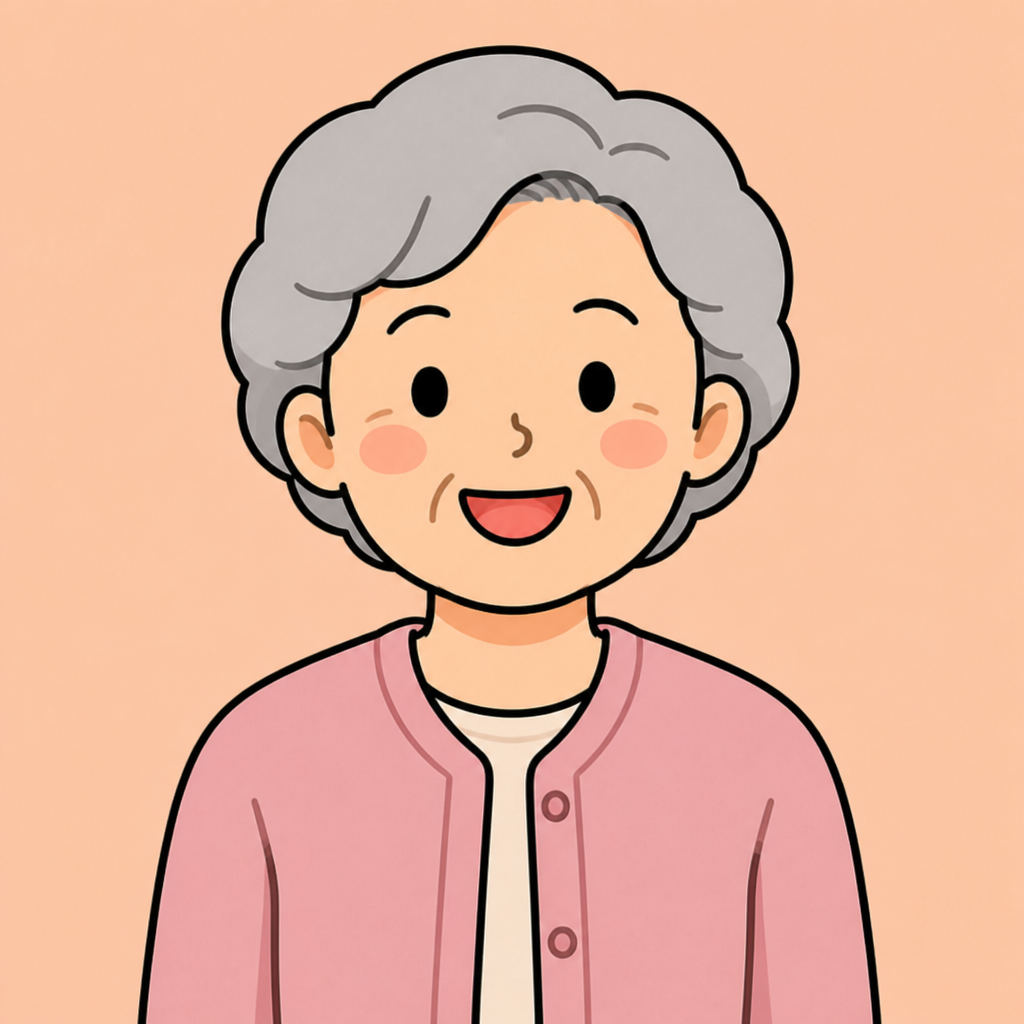
🎂 1951-8-29 (74)
| 阿儀 aa3 ji4 | ________ |
| 麗姐 lai6 ze1 | ________ |
2.

🎂 2006-5-17 (19)
| 阿儀 aa3 ji4 | ________ |
| Lillian | ________ |
3.

🎂 1988-2-24 (37)
| 阿儀 aa3 ji4 | ________ |
| 阿敏 aa3 man5 | ________ |
4.
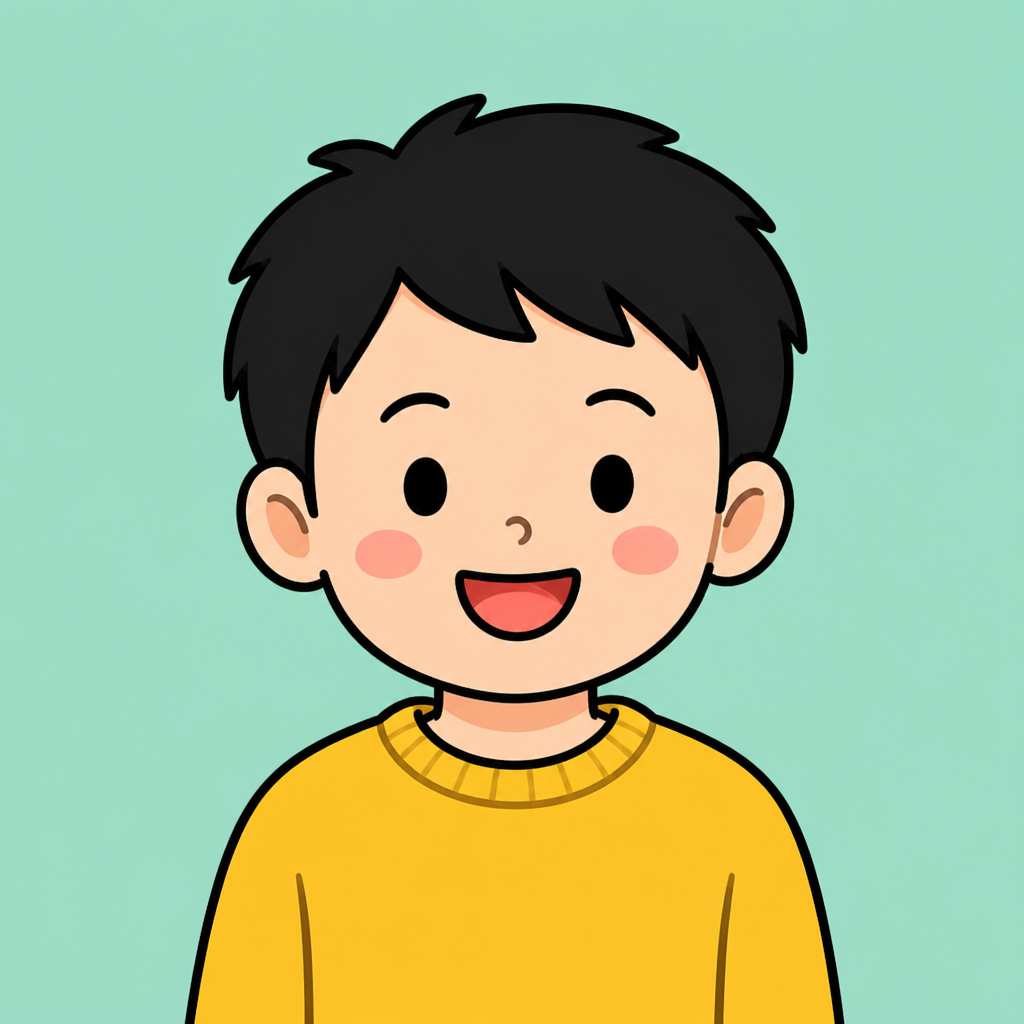
🎂 2021-6-1 (4)
| 阿儀 aa3 ji4 | ________ |
| 謙謙 him1 him1 | ________ |
5.

🎂 1960-4-13 (65)
| 阿儀 aa3 ji4 | ________ |
| 榮哥 wing4 go1 | ________ |
6.

🎂 1984-7-30 (41)
| 阿儀 aa3 ji4 | ________ |
| Mandy | ________ |
Activities
Activity 1
Listen to two conversations. The speakers will talk about their age and birthday. Then, listen to the statements and decide if they are true or false.
Conversation 1
啱 ngaam1 Correct | 錯 co3 Wrong | 冇提過 mou5 tai4 gwo3 Not mentioned | ||
| 1. | ________ |  | | |
| 2. | ________ | | | |
| 3. | ________ | | | |
| 輝哥 fai1 go1 | |
| 阿豪 aa3 hou4 | |
| 輝哥 fai1 go1 | |
| 阿豪 aa3 hou4 | |
| 輝哥 fai1 go1 | |
| 阿豪 aa3 hou4 |
Conversation 2
啱 ngaam1 Correct | 錯 co3 Wrong | 冇提過 mou5 tai4 gwo3 Not mentioned | ||
| 4. | ________ | | | |
| 5. | ________ | | | |
| 6. | ________ | | | |
| Cindy | |
| Natalie | |
| Cindy | |
| Natalie | |
| Cindy | |
| Natalie | |
| Cindy |
Transcripts with Translation
Conversation 1
| 輝哥 fai1 go1 | 你今年幾多歲呀? nei5 gam1 nin4 gei2 do1 seoi3 aa3? How old are you this year? |
| 阿豪 aa3 hou4 | 我今年卅呀六歲,你呢? ngo5 gam1 nin4 saa1 aa6 luk6 seoi3, nei5 ne1? I am 36 years old this year. How about you? |
| 輝哥 fai1 go1 | 我今年六呀幾歲喇。 ngo5 gam1 nin4 luk6 aa6 gei2 seoi3 laa3. I am already 60 something years old this year. |
| 阿豪 aa3 hou4 | 噉你幾時生日㗎? gam2 nei5 gei2 si4 saang1 jat6 gaa3? Then, when is your birthday? |
| 輝哥 fai1 go1 | 我八月十八號生日嘅,你呢? ngo5 baat3 jyut6 sap6 baat3 hou6 saang1 jat6 ge3, nei5 ne1? My birthday is the 18th of August. How about you? |
| 阿豪 aa3 hou4 | 我三月廿四號生日嘅。 ngo5 saam1 jyut6 jaa6 sei3 hou6 saang1 jat6 ge3. My birthday is the 24th of March. |
Conversation 2
| Cindy | 你邊年出世㗎? nei5 bin1 nin4 ceot1 sai3 gaa3? Which year were you born in? |
| Natalie | 我零二年出世嘅。 ngo5 ling4 ji6 nin4 ceot1 sai3 ge3. I was born in 2002. |
| Cindy | 哦,零零後。 o2, ling4 ling4 hau6. Oh, the post-00s generation. Refer to the culture section below. |
| Natalie | 你呢?你今年幾大呀? nei5 ne1? nei5 gam1 nin4 gei2 daai6 aa3? How about you? How old are you this year? |
| Cindy | 秘密!唔講你知!噉你幾時生日㗎? bei3 mat6! m4 gong2 nei5 zi1! gam2 nei5 gei2 si4 saang1 jat6 gaa3? That’s a secret! I’m not going to tell you! Then, when is your birthday? |
| Natalie | 我十月三十號生日嘅。 ngo5 sap6 jyut6 saam1 sap6 hou6 saang1 jat6 ge3. My birthday is the 30th of October. |
| Cindy | 咁啱嘅!我十月三十一號生日㗎! gam3 ngaam1 ge3! ngo5 sap6 jyut6 saam1 sap6 jat1 hou6 saang1 jat6 gaa3! What a coincidence! My birthday is the 31st of October. |
Culture
Like in any cultures, some Hong Kong people like grouping others by age and assigning different characteristics, sometimes negative, to these groups. Here are the terms used to refer to groups from different generations. The numbers indicate the decade in which the generation was born, and the word 後 hau6 means ‘after’.
Activity 2
Follow these steps to complete this activity:
-
Form a group of ten. Each of you will get a role card. Don't show your role card to your group members.
-
Line up in a row randomly. Talk only to the person right in front of or behind you. Arrange your row so that the first person is oldest, and the last person is youngest.
-
The fastest group wins the game.
Sample Conversation
| A | 你今年幾多歲呀? nei5 gam1 nin4 gei2 do1 seoi3 aa3? | 你邊年出世㗎? nei5 bin1 nin4 ceot1 sai3 gaa3? |
| B | 我今年十六歲,你呢? ngo5 gam1 nin4 sap6 luk6 seoi3, nei5 ne1? | 我零九年出世嘅,你呢? ngo5 ling4 gau2 nin4 ceot1 sai3 ge3, nei5 ne1? |
| A | 我今年六十歲。 ngo5 gam1 nin4 luk6 sap6 seoi3. | 我六五年出世嘅。 ngo5 luk6 ng5 nin4 ceot1 sai3 ge3. |
| B | 噉你幾時生日㗎? gam2 nei5 gei2 si4 saang1 jat6 gaa3? | |
| A | 我八月二號生日嘅,你呢? ngo5 baat3 jyut6 ji6 hou6 saang1 jat6 ge3, nei5 ne1? | |
| B | 我九月十七號生日嘅。 ngo5 gau2 jyut6 sap6 cat1 hou6 saang1 jat6 ge3. | |
Correct order: ________
Role Cards
Activity 3
Form a pair. Talk about:
- How old are you? Which year were you born in?
- When is your birthday?